Post by : Saif Nasser
Oil prices around the world have increased again as the conflict involving Iran continues to create tension in global markets. Recent reports show that prices have risen by more than 2 percent, as traders worry that the war could disturb oil supply.
The main reason behind this rise is fear. Markets are not only reacting to what has already happened, but also to what might happen next. When there is a risk to supply, prices often go up quickly as a precaution.
One of the biggest concerns is the Strait of Hormuz. This narrow waterway is one of the most important oil routes in the world, with a large share of global oil passing through it every day. If this route is blocked or disturbed, it can create serious problems for many countries that depend on oil imports.
As tensions rise in the region, there are growing fears that shipments could be delayed or stopped. Even the possibility of such disruption is enough to push prices higher. Traders are closely watching every development, and even small updates from the conflict can affect market movements.
There have already been signs of trouble. Some oil facilities in the region have been affected, and production in certain areas has slowed. Countries like Saudi Arabia have faced challenges in maintaining normal output due to security concerns. This has reduced the amount of oil available in the market.
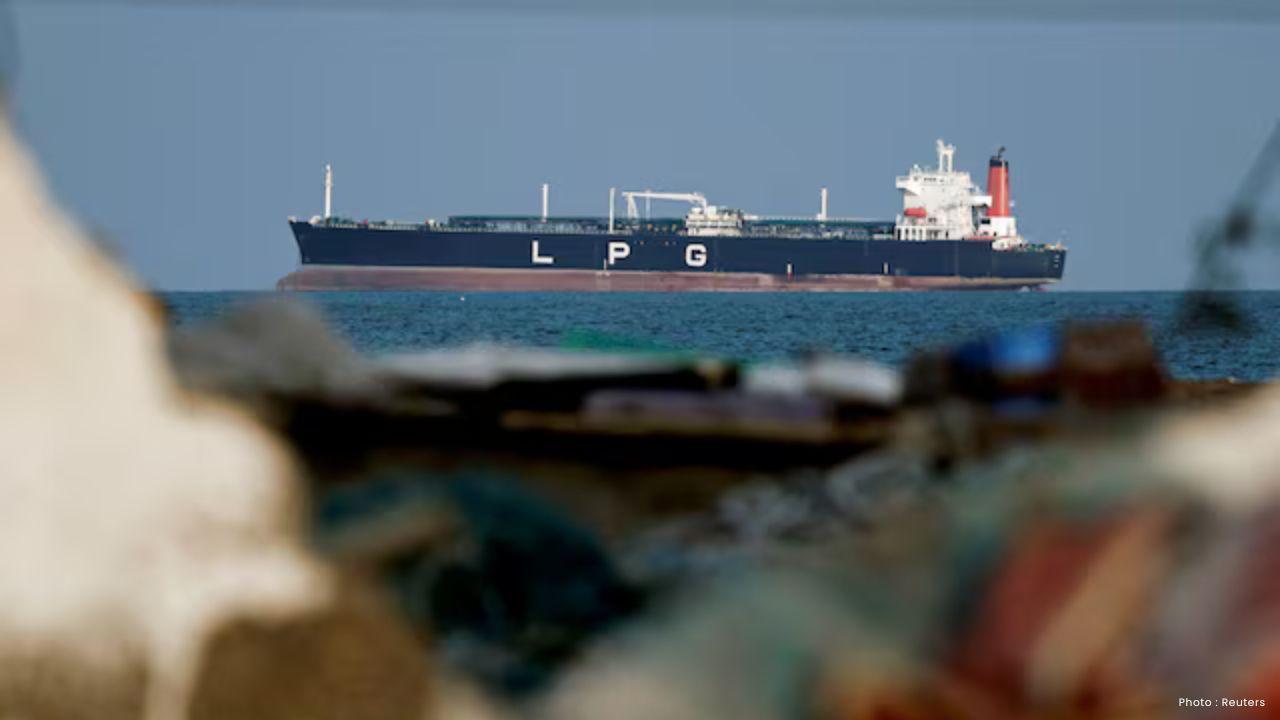
Shipping has also become more difficult. Oil tankers are avoiding risky routes, and insurance costs for ships have gone up. This makes transportation slower and more expensive, adding further pressure on prices.
Another important factor is uncertainty. No one knows how long the conflict will last or how far it could spread. When markets face uncertainty, they often react by increasing prices to prepare for possible shortages. Experts believe that oil prices may continue to move up and down quickly in the coming weeks.
At the same time, global demand for oil remains steady. Countries still need fuel for transport, factories, and power generation. When demand stays strong but supply becomes uncertain, prices naturally increase. This basic rule of supply and demand is clearly visible in the current situation.
There are also concerns that more countries in the Gulf region could face production issues if the conflict spreads further. Any additional drop in supply could tighten the market even more and push prices higher.
Some global organizations, including the International Energy Agency, have suggested that emergency oil reserves could be used if needed. This step can help control prices in the short term, but it cannot fully solve the problem if the conflict continues.
Rising oil prices do not only affect energy companies. They have a direct impact on daily life. When fuel becomes more expensive, transportation costs go up. This leads to higher prices for goods, food, and services. Over time, it can slow economic growth and increase inflation in many countries.
For nations like India, which depend heavily on imported oil, the situation is especially serious. Higher oil prices can increase the cost of living and put pressure on the economy. Developing countries often face even bigger challenges, as they have fewer resources to manage sudden price increases.
This situation shows how closely global energy markets are connected to political events. A conflict in one region can quickly affect economies across the world. It also highlights the risks of depending too much on a few key routes and suppliers for energy.
In the long term, this crisis may push countries to look for more stable and diverse energy sources. It also reminds leaders that peace and stability are important not just for safety, but also for economic growth.
As the conflict continues, oil markets are expected to remain sensitive. Prices may keep changing quickly depending on how the situation develops. For now, the world is watching closely, knowing that the outcome of this conflict will have a lasting impact on the global economy.










DAE Achieves Remarkable Growth in Q1 2026 With Record Revenue
Dubai Aerospace Enterprise announces impressive financial results for Q1 2026, reflecting a surge in

Price Increase for Sony PS5 in Southeast Asia Effective May 1
Sony announces a price increase for the PS5 across Southeast Asia starting May 1, 2026, impacting ga

Potential ‘Super El Niño’ in 2026: Understanding the Climate Risks
Could a Super El Niño emerge in 2026? Discover its implications and potential global climate impacts

Global Energy Crisis Intensifies: Markets React to Oil Supply Challenges
Markets are on edge as oil disruptions escalate, influencing prices and economic stability. Explore

Must-See Tourist Spots in London You Can't Overlook
Explore London's essential attractions, from royal landmarks to vibrant markets, ensuring an unforge

Ultimate Guide to Snagging Cheap Flights in 2026
Unlock the secrets to booking affordable flights in 2026 with insightful tips and strategies tailore




