Post by : Anees Nasser
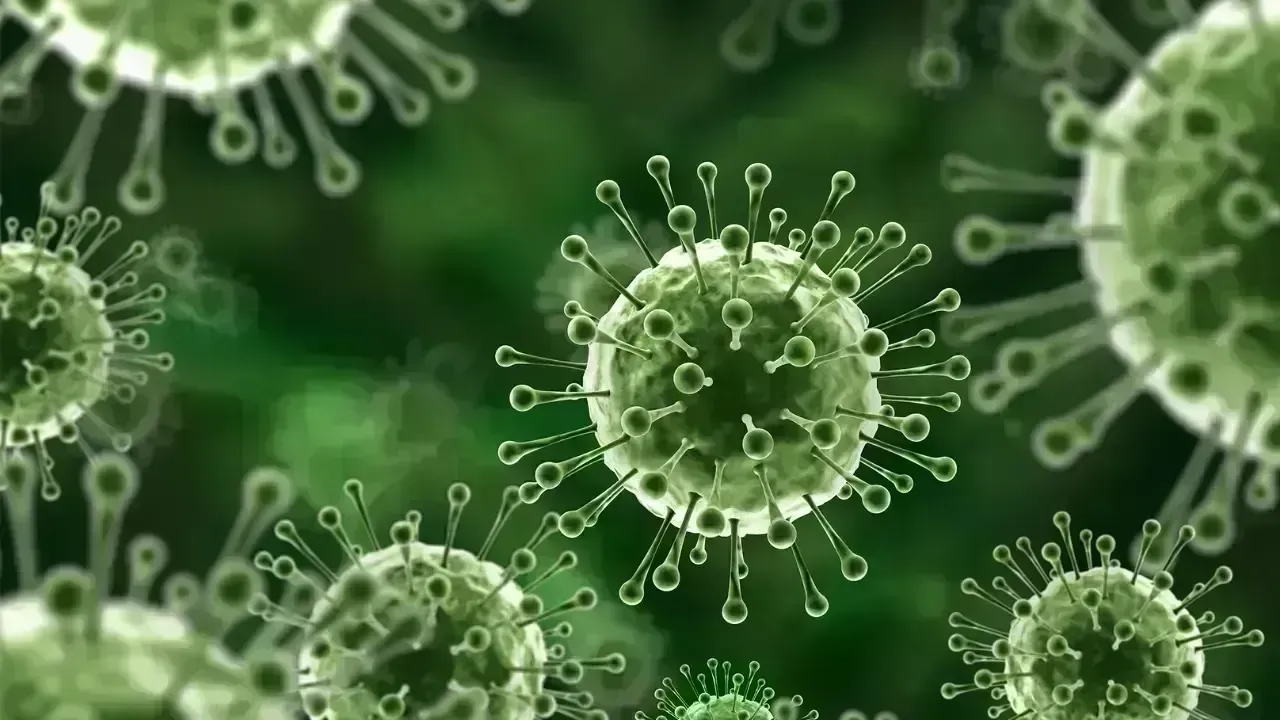
The Nipah virus — a zoonotic agent lacking a approved treatments or vaccines — has drawn attention as confirmed cases emerge in India’s West Bengal. Health authorities are mobilizing to contain potential outbreaks, with around 100 individuals placed under quarantine following these reports. The natural reservoirs, fruit bats, play a vital role in the virus’s transmission dynamics, with human-to-human spread observed particularly in healthcare environments and close-contact scenarios.
Classified as a high-risk pathogen by the World Health Organization, the Nipah virus has a severe fatality rate ranging between 40% to 75%, influenced by various outbreak conditions. It can cause severe respiratory illnesses and life-threatening brain inflammation (encephalitis).
It is essential to comprehend the virus’s origins, transmission routes, clinical manifestations, and essential public health measures required to address it, especially given the recurring outbreaks across South Asia.
The Nipah virus was first identified in 1999 during an outbreak of respiratory disease among pig farmers in Malaysia and Singapore. This incident marked the recognition of NiV as a significant zoonotic pathogen, with the ability to cross species boundaries, leading to serious human health consequences.
Since that time, the virus has been implicated in several outbreaks, particularly in South and Southeast Asia. Endemic to Bangladesh, it has caused human infections consistently since 2001. India has witnessed recurring incidents in regions such as West Bengal and Kerala, highlighting the persistent danger posed by the virus in areas with dense human-animal interactions.
Nipah virus’s primary transmission route involves fruit bats of the genus Pteropus. These bats carry the virus asymptomatically, with human infections occurring through:
Direct contact with fruit bats or their secretions.
Consuming contaminated foods, such as raw date palm sap or fruits exposed to bat secretions.
Contact with infected intermediate hosts, especially pigs in earlier outbreaks, although this is less common now.
In rural settings, fruit bats can contaminate food supplies, and traditional raw palm sap collection practices can lead to heightened risk, particularly if containers aren’t properly secured against bat intrusion.
A notable concern is Nipah virus’s potential for human-to-human transmission, particularly among healthcare workers and caregivers who come into contact with infected bodily fluids. Instances of transmission have been documented in hospitals and family environments lacking adequate protective measures.
Prudent infection control is vital to curb this spread, as close contact without precautions can rapidly escalate transmission within populations.
Symptoms usually emerge within an incubation period of 4 to 14 days, though some cases report longer intervals.
Once symptoms appear, they may vary significantly. Early indications often mimic common ailments, which can hinder prompt detection:
High fever
Headaches and muscle aches
Sore throat and cough
Nausea and vomiting
Fatigue and malaise
These nonspecific early symptoms necessitate heightened awareness in regions facing outbreaks.
In many cases, the disease escalates swiftly. As the condition worsens, symptoms may include:
Breathing difficulties and respiratory distress
Neurological issues, such as drowsiness and altered mental states
Confusion, dizziness, and seizures
Encephalitis (brain inflammation)
Rapid progression to coma in severe cases
In severe instances, the virus can lead to rapid decline, resulting in notably high mortality rates, particularly where healthcare resources are scarce.
Confirming Nipah virus infection necessitates specialized lab tests, typically involving RT-PCR assays for detecting the virus in throat swabs, urine, or cerebrospinal fluid.
Imaging studies, like MRI or CT scans, may also aid in assessing neurological involvement in patients presenting encephalitic symptoms.
No antiviral treatments or vaccines for Nipah virus currently exist. Consequently, medical care heavily relies on supportive interventions to alleviate symptoms:
Supporting respiratory health
Managing fever and pain
Addressing neurological symptoms
Intensive supportive care as required
Early detection and robust supportive care are crucial for enhancing survival rates.
Historically, Nipah virus outbreaks have been linked to high mortality rates reaching up to 75%, although these figures fluctuate based on outbreak specifics and healthcare infrastructure.
The mortality range underlines the severe potential outcomes, especially among elderly patients and those with pre-existing health conditions.
Survivors may face long-term neurological effects such as ongoing seizures, cognitive dysfunction, and personality changes. Rare instances of encephalitis recurrence have been documented, highlighting the virus’s lasting impact on brain health.
In January 2026, West Bengal’s health authorities confirmed cases of Nipah virus, impacting even health-care professionals, leading to quarantine protocols for nearly 100 individuals.
While officials assert that widespread panic isn’t warranted, confirmed cases and proactive quarantines reflect the serious approach taken by health authorities.
Countries such as Thailand, Nepal, and Taiwan have reinstated stringent health screenings for travelers from India as a precautionary measure.
Public health responses during outbreaks typically involve:
Thorough contact tracing
Isolation of both suspected and confirmed cases
Enhanced infection controls within healthcare facilities
Educational campaigns on symptoms and preventive strategies
Monitoring animal populations to prevent future spillover events
These measures are vital to stopping transmission and protecting local communities from growing outbreaks.
As fruit bats are key carriers, minimizing activities that risk encounters with bats or their secretions is essential. Steps include:
Avoid consuming unwashed fruits or raw palm sap
Ensuring proper washing or boiling of fruits prior to consumption
Throwing away visibly bat-contaminated items
Preventive measures in human interactions include:
Wearing appropriate personal protective equipment (PPE) while caring for the ill
Practicing diligent hand hygiene
Avoiding direct exposure to infected individuals’ bodily fluids
Community awareness of these practices can significantly reduce spread risk when cases are identified.
The Nipah virus remains on the World Health Organization’s priority list due to its epidemic potential and absence of effective treatment options. Researchers worldwide are pursuing vaccine development and antiviral agents, albeit widespread implementation remains a future challenge.
Countries facing recurrent outbreaks, such as India and Bangladesh, have prioritized enhancing surveillance frameworks and research capacities to improve preparedness and response.
While Nipah virus outbreaks are sporadic, they highlight the health risks posed by zoonotic pathogens emerging from animal reservoirs. The ongoing situation in West Bengal serves as a crucial reminder of the need for robust surveillance systems, swift response mechanisms, and community participation to avert small incidents from escalating into wider public health emergencies.
Recognizing the virus's symptoms, understanding its transmission pathways, and acting through early intervention empower health professionals and communities alike to manage outbreaks effectively.
Disclaimer:
This article offers informational insights and should not be taken as medical advice. For health-related queries or guidance on disease prevention, consult certified healthcare professionals and official public health sources.










Anticipated Dates for UAE Eid Al Adha 2026 Unveiled by Astronomical Experts
Experts predict Eid Al Adha 2026 in the UAE to start on May 27, prompting early holiday planning amo

DAE Achieves Remarkable Growth in Q1 2026 With Record Revenue
Dubai Aerospace Enterprise announces impressive financial results for Q1 2026, reflecting a surge in

Price Increase for Sony PS5 in Southeast Asia Effective May 1
Sony announces a price increase for the PS5 across Southeast Asia starting May 1, 2026, impacting ga

Potential ‘Super El Niño’ in 2026: Understanding the Climate Risks
Could a Super El Niño emerge in 2026? Discover its implications and potential global climate impacts

Global Energy Crisis Intensifies: Markets React to Oil Supply Challenges
Markets are on edge as oil disruptions escalate, influencing prices and economic stability. Explore

Must-See Tourist Spots in London You Can't Overlook
Explore London's essential attractions, from royal landmarks to vibrant markets, ensuring an unforge




