Post by : Priya
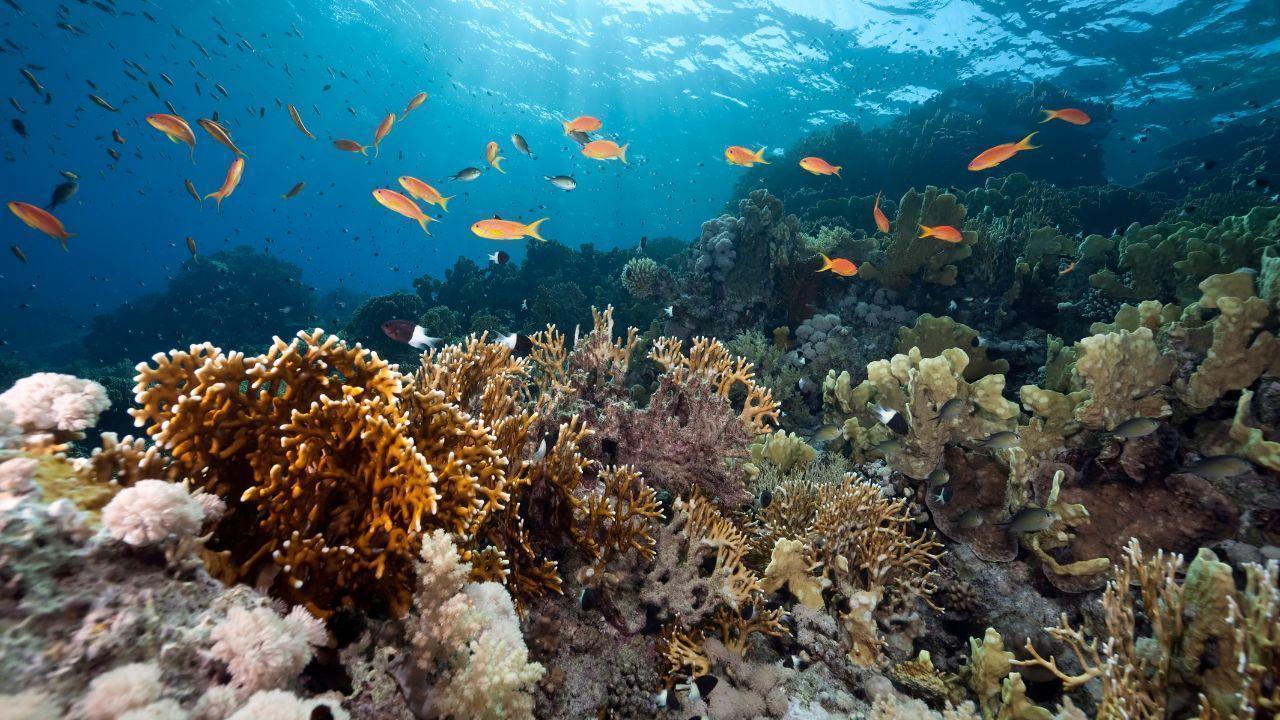
The oceans cover nearly three-quarters of the Earth's surface and are home to countless species of marine life. They provide food, jobs, and help regulate the climate. Unfortunately, human activities like overfishing, pollution, and habitat destruction have put these vital ecosystems at risk. To combat these threats, governments around the world, including ours, have recently established new Marine Protected Areas (MPAs) — regions in the ocean designated to conserve marine life and habitats for future generations.
What Are Marine Protected Areas?
Marine Protected Areas are special zones in oceans, seas, or large lakes where human activities are regulated or restricted to protect natural and cultural resources. Depending on their rules, some MPAs are no-take zones where fishing or mining is banned entirely, while others allow limited, sustainable activities such as regulated fishing or tourism. The goal is to create safe spaces where marine plants, fish, and other animals can thrive without harmful interference.
Why Are New MPAs Needed?
The need for MPAs has grown as human impact on the oceans increases. Overfishing reduces fish populations, damaging ecosystems and threatening the livelihoods of coastal communities. Pollution from plastics, chemicals, and climate change-related heating harms coral reefs and marine life. MPAs help address these problems in several important ways:
Biodiversity Conservation: MPAs provide safe habitats where endangered and common species can live and reproduce. This helps maintain ecological balance and keeps ecosystems healthy.
Fisheries Management: Protected areas allow fish populations to recover and grow. This "spillover effect" benefits fishermen who rely on nearby waters, ensuring steady fish supplies and food security.
Climate Benefits: Healthy oceans can absorb more carbon dioxide and provide natural protection against storms and flooding, helping communities adapt to climate change.
Economic Support: MPAs boost local economies through eco-tourism and sustainable fishing. Visitors come to enjoy snorkeling, diving, and marine wildlife, creating jobs and income in coastal areas.
The Impact of New Marine Protected Areas
The recently established MPAs cover a wide range of marine environments, from coral reefs to deep-sea habitats. By protecting these areas, governments are making a strong commitment to conserving ocean health. These efforts align with global conservation targets, like those set by international agreements aiming to protect at least 30% of the ocean by 2030.
Scientific studies show that well-managed and strictly protected MPAs lead to greater ecological recovery, improved fish stocks, and more resilient marine environments. For example, some Mediterranean MPAs success stories report thriving fish populations and better livelihoods for local communities.
Challenges and the Way Forward
Creating MPAs is only the first step. To be effective, these areas need proper management, enforcement of rules, and community support. Illegal fishing and pollution remain challenges that require cooperation between governments, scientists, and local people.
Moreover, MPAs alone cannot solve all ocean problems. Addressing climate change, reducing plastic waste, and promoting sustainable fishing practices everywhere remain critical for ocean health.








DAE Achieves Remarkable Growth in Q1 2026 With Record Revenue
Dubai Aerospace Enterprise announces impressive financial results for Q1 2026, reflecting a surge in

Price Increase for Sony PS5 in Southeast Asia Effective May 1
Sony announces a price increase for the PS5 across Southeast Asia starting May 1, 2026, impacting ga

Potential ‘Super El Niño’ in 2026: Understanding the Climate Risks
Could a Super El Niño emerge in 2026? Discover its implications and potential global climate impacts

Global Energy Crisis Intensifies: Markets React to Oil Supply Challenges
Markets are on edge as oil disruptions escalate, influencing prices and economic stability. Explore

Must-See Tourist Spots in London You Can't Overlook
Explore London's essential attractions, from royal landmarks to vibrant markets, ensuring an unforge

Ultimate Guide to Snagging Cheap Flights in 2026
Unlock the secrets to booking affordable flights in 2026 with insightful tips and strategies tailore




