Post by : Saif Nasser
The incoming Dutch government has announced plans to introduce a new tax surcharge, called a “freedom tax,” to help pay for a major increase in defence spending. The proposal is part of a broader effort to meet NATO targets and strengthen the country’s long-term security, even as it raises concerns about budget cuts in other important areas.
According to coalition leaders, the freedom tax would be added to both personal income taxes and corporate taxes. The government expects this surcharge to raise about 5 billion euros each year. The money would go directly toward boosting defence spending, which leaders say is necessary in a changing and more uncertain global security environment.
The Netherlands currently spends about 2% of its gross domestic product on defence. Under the new plan, defence spending would rise to 2.8% of GDP by 2030 and reach 3.5% by 2035. These targets follow commitments made by NATO members last year, as many European countries reassess their military readiness.
In total, the government estimates that defence spending will increase by around 19 billion euros per year once the plan is fully in place. The freedom tax will cover only part of this cost. The rest will come from wide-ranging budget cuts, including reductions in healthcare and welfare spending. These proposed cuts are likely to spark public debate, as they affect services used by millions of people.
The new government has also promised to invest in housing and keep the national budget deficit close to 2% of GDP. Leaders say this shows a balance between stronger security, economic responsibility, and long-term investment. Still, critics argue that cutting social spending to fund defence could hurt vulnerable groups.
The plan was presented as part of a coalition agreement reached after months of negotiations following the October elections. The new government will be a rare minority government, made up of the centrist, pro-European D66 party, the conservative Christian Democrats, and the right-wing VVD. Together, they hold just 66 out of 150 seats in parliament, meaning they will need support from opposition parties to pass their policies.
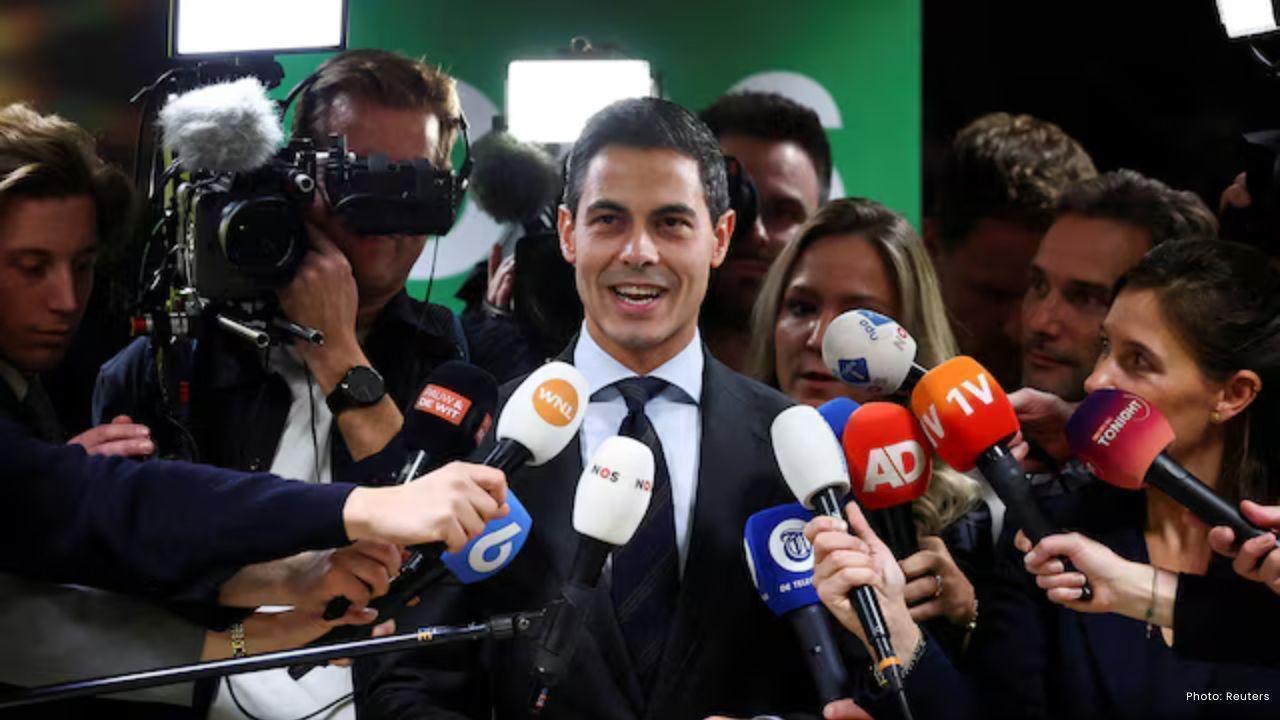
Rob Jetten, leader of the D66 party, described the agreement as a new direction for the country. At 38 years old, he is set to become the youngest prime minister in Dutch history. He said the government’s focus is on long-term investments that protect freedom and security while keeping public finances under control.
Opposition parties, especially on the left, have already voiced concerns. They say they will push for policies that are more socially focused and environmentally friendly. With a minority government in place, debates over the freedom tax, defence spending, and budget cuts are expected to be intense in the months ahead.
The Dutch government is expected to be officially installed within a month, with remaining cabinet positions filled in the coming weeks. As the plans move forward, the freedom tax is likely to become a central issue in national politics, raising important questions about how countries balance security needs with social welfare in an uncertain world.


Anticipated Dates for UAE Eid Al Adha 2026 Unveiled by Astronomical Experts
Experts predict Eid Al Adha 2026 in the UAE to start on May 27, prompting early holiday planning amo

DAE Achieves Remarkable Growth in Q1 2026 With Record Revenue
Dubai Aerospace Enterprise announces impressive financial results for Q1 2026, reflecting a surge in

Price Increase for Sony PS5 in Southeast Asia Effective May 1
Sony announces a price increase for the PS5 across Southeast Asia starting May 1, 2026, impacting ga

Potential ‘Super El Niño’ in 2026: Understanding the Climate Risks
Could a Super El Niño emerge in 2026? Discover its implications and potential global climate impacts

Global Energy Crisis Intensifies: Markets React to Oil Supply Challenges
Markets are on edge as oil disruptions escalate, influencing prices and economic stability. Explore

Must-See Tourist Spots in London You Can't Overlook
Explore London's essential attractions, from royal landmarks to vibrant markets, ensuring an unforge




