Post by : Sami Jeet
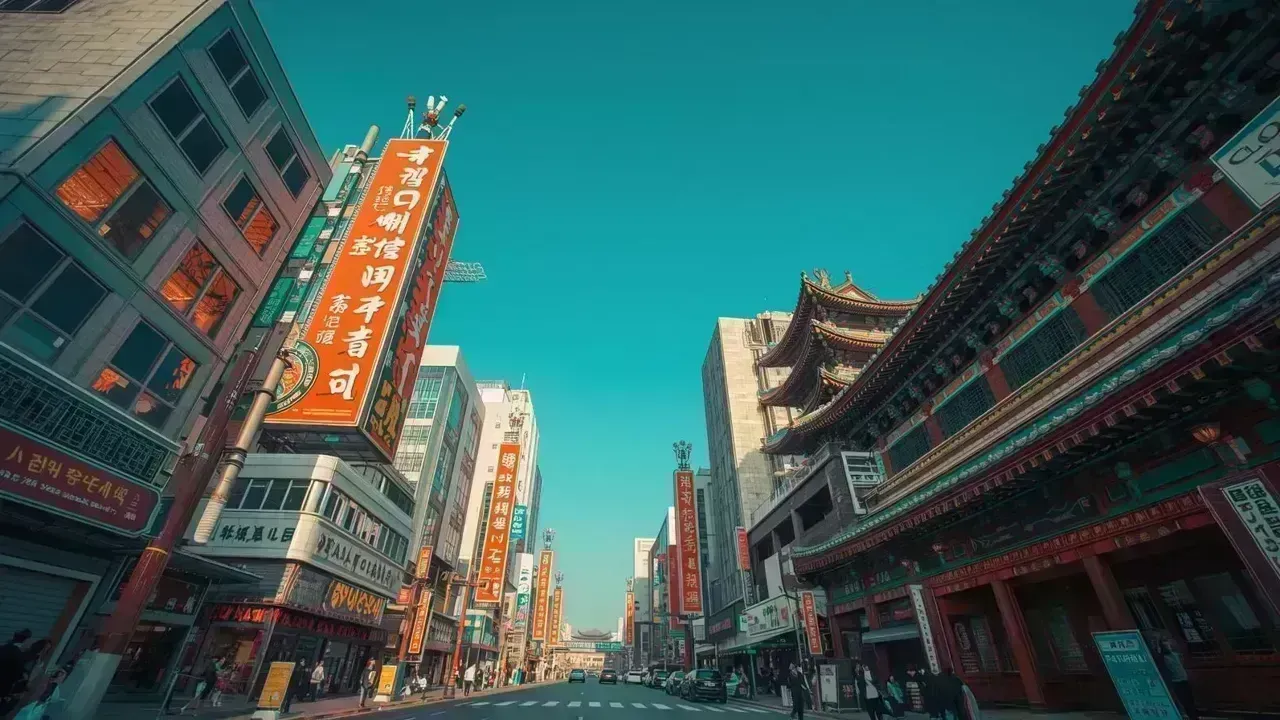
Often perceived as a nation where domestic flights reign supreme for intercity travel, South Korea is witnessing an intriguing shift. More tourists are opting for an immersive experience by journeying across the country without taking to the skies. Thanks to an efficient transport infrastructure, compact geography, and facilities tailored for visitors, travelers can comfortably discover urban landscapes, mountainous regions, coastal views, and cultural hotspots solely via land transport.
This guide will explore how tourists can travel through South Korea sans flights, the reasons behind this trend, and tips for crafting a seamless, economical, and enriching travel experience.
Although domestic flights might seem time-saving, they diminish spontaneous travel and authentic local interactions. More visitors are gravitating toward slower, more connected methods to navigate the nation.
With its relatively small landmass, traveling from Seoul to Busan via high-speed train takes just about 2.5 hours, often outperforming flight time when considering airport logistics.
The rail and bus networks in South Korea are celebrated for their reliability, cleanliness, safety, and English-friendly signage—ideal even for first-time tourists.
Domestic flights can become pricey during peak periods, while trains and buses provide consistent pricing, discounts, and travel packages.
Traveling by land permits tourists to enjoy picturesque countryside views, quaint towns, coastal routes, and cultural shifts that flying bypasses entirely.
The KTX (Korea Train Express) underscores this flight-free approach, offering a comfortable travel alternative.
Domestic flights compel travelers to reach distant airports outside urban centers, arrive early, navigate security, and then repeat these steps upon landing. In contrast, KTX allows for last-minute arrivals and direct access into the city's heart.
In addition to high-speed options, regional trains enable explorers to visit hidden gems.
Taking regional trains grants travelers insights into daily Korean life, local eateries near stations, and engaging landscapes that unfold gradually.
Travelers often discover that intercity and express buses serve as one of the most efficient options for traversing South Korea.
Main cities feature centralized bus terminals equipped with dining options, lounge areas, luggage storage, and seamless metro connections, ensuring smooth transitions.
South Korea’s metro networks extend well beyond city limits.
Metropolitan areas like Seoul, Busan, and Incheon boast metro lines that reach suburbs, satellite cities, and popular attractions nearby.
South Korea’s coastline is a major draw, easily reachable via land.
Travelers journey from Seoul to Gangneung by train, then continue along the coast using buses and local trains to visit beaches, seafood markets, and stunning vistas.
Rather than flying, journeying to ferry docks via train or bus allows travelers to embark on maritime adventures to islands like Geoje and quaint fishing communities.
South Korea’s interior boasts an abundance of mountains and national parks.
Most national parks are linked through intercity bus services originating from nearby cities.
Flights fail to bring travelers close to hiking trails, temples, or breathtaking overlooks, while ground transport allows for convenient door-to-door service.
Tourists frequently utilize rail and transit passes to streamline their journeys.
One apprehension travelers have involves handling baggage.
Bypassing flights doesn't equate to wasting time.
Travelers typically arrange routes logically, moving north to south or east to west without retracing steps.
Late-night buses and early morning trains enable maximum sightseeing.
Eliminating airport check-ins, delays, and security routines dramatically reduces travel strain.
South Korea’s advanced tech infrastructure significantly supports non-flight mobility.
Transport applications provide up-to-date schedules, platform numbers, and routing in English.
Travel cards are applicable across metros, buses, and sometimes taxis, facilitating ease of travel.
A growing number of tourists are opting for non-flight travel for sustainability reasons.
Trains and buses emit considerably fewer greenhouse gases per passenger than airplanes.
Land-based travel fosters economic growth in smaller towns, local eateries, and regional attractions.
No travel method is without its challenges.
Most transport systems are equipped with English signage, announcements, and helpful staff.
Travelers strategically plan for early mornings or weekdays to dodge large groups.
Well-organized station layouts and digital maps help to prevent confusion.
Many tourists follow routes such as:
Seoul → Jeonju → Gwangju → Busan → Gyeongju → Daegu → Seoul
This journey encompasses history, gastronomy, coastline, and urban experiences without necessitating flights.
Travelers are increasingly prioritizing convenience, flexibility, sustainability, and enriching experiences over mere speed. South Korea’s robust infrastructure allows for all four, making flight-free travel highly viable.
Exploring South Korea without resorting to domestic flights often enhances the travel experience rather than diminishing it. Tourists benefit from deeper cultural insights, smoother logistics, reduced stress, and overall better value. The nation’s transportation framework design makes land travel not just feasible, but an exciting alternative.
For those wishing to look beyond mere airports and tourist traps, avoiding flights unveils the authentic South Korea.
This article serves informational purposes only. Travel routes, schedules, and transportation availability are subject to change according to seasonal trends, policy adjustments, or regional developments. Travelers should verify transport options, timings, and local regulations prior to planning.







Anticipated Dates for UAE Eid Al Adha 2026 Unveiled by Astronomical Experts
Experts predict Eid Al Adha 2026 in the UAE to start on May 27, prompting early holiday planning amo

DAE Achieves Remarkable Growth in Q1 2026 With Record Revenue
Dubai Aerospace Enterprise announces impressive financial results for Q1 2026, reflecting a surge in

Price Increase for Sony PS5 in Southeast Asia Effective May 1
Sony announces a price increase for the PS5 across Southeast Asia starting May 1, 2026, impacting ga

Potential ‘Super El Niño’ in 2026: Understanding the Climate Risks
Could a Super El Niño emerge in 2026? Discover its implications and potential global climate impacts

Global Energy Crisis Intensifies: Markets React to Oil Supply Challenges
Markets are on edge as oil disruptions escalate, influencing prices and economic stability. Explore

Must-See Tourist Spots in London You Can't Overlook
Explore London's essential attractions, from royal landmarks to vibrant markets, ensuring an unforge




