Post by : Shweta
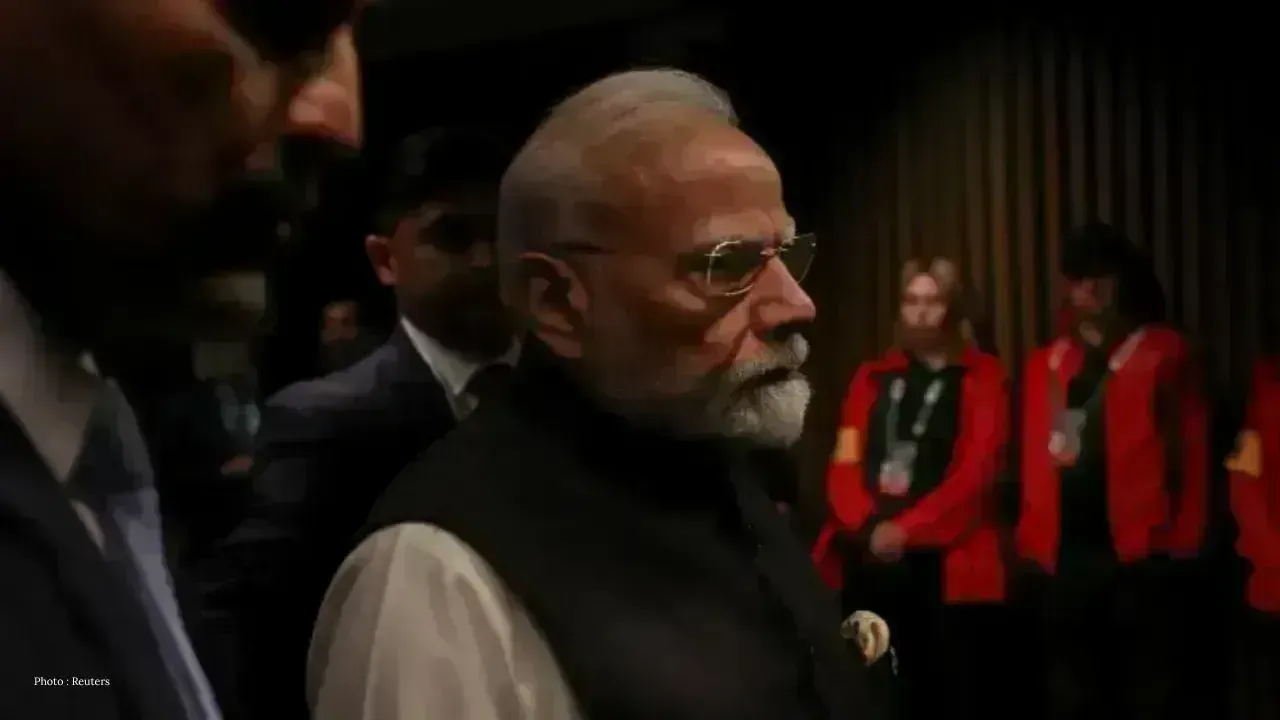
Indian Prime Minister Narendra Modi’s strategy to diplomatically isolate Pakistan is reportedly hitting roadblocks as a number of nations continue to nurture strong political and economic links with Islamabad. This situation has gained prominence in South Asian politics amid rising regional tensions between the two neighbors.
Over recent years, India has been striving to portray Pakistan as a nation associated with instability and security challenges on the global front. New Delhi escalated its diplomatic outreach post cross-border altercations, terrorism accusations, and disputes over Kashmir. Indian diplomats also collaborated closely with Western allies and international bodies to diminish Pakistan’s influence and cut off external support.
However, developments indicate that this strategy might not be entirely effective. Major countries such as China, Turkey, and Saudi Arabia, along with several Gulf nations, appear to be reinforcing ties with Pakistan through avenues like trade, defense collaboration, and investment initiatives. Analysts note that the strategic geography, military significance, and economic agreements have spared Pakistan from total diplomatic seclusion despite India’s sustained pressures.
China remains Pakistan’s most significant ally, particularly through the China-Pakistan Economic Corridor (CPEC), integral to Beijing’s Belt and Road Initiative. This multi-billion-dollar undertaking has augmented cooperation between the two nations, bolstering Pakistan’s role in essential trade routes. Chinese support for Pakistan on pivotal regional issues has posed challenges to India’s diplomatic maneuvering.
Meanwhile, Pakistan has strengthened its relationships with Gulf states by enhancing defense collaboration, labor agreements, and energy relations. Saudi Arabia and the UAE are actively investing in Pakistan’s economy, while Turkey has shown overt support for Islamabad on various political fronts. Experts suggest these dynamics have mitigated the effects of India’s attempts at isolating Pakistan.
Recent international diplomatic gatherings further reveal that numerous countries still regard Pakistan as a key regional player, particularly in light of Afghanistan, security dynamics, and counterterrorism efforts. Western nations, including the U.S., continue to engage with Pakistan's military and political leadership driven by strategic considerations in South Asia and the Middle East.
Political analysts argue that India’s firm stance against Pakistan might have inadvertently deepened regional divisions rather than fostering international solidarity. Some suggest that aggressive diplomatic tactics may have led neutral nations to be cautious about expressing support. Others assert that global powers are prioritizing economic and strategic interests over alignment with any one country’s narrative.
Despite these developments, India remains a rapidly growing economy and is further enhancing its partnerships with the U.S., Europe, Japan, and Indo-Pacific allies. Prime Minister Modi’s government continues to bolster India’s global standing through trade pacts, technological collaboration, and defense alliances.
This ongoing discourse highlights the intricate nature of South Asian geopolitics, where countries are often required to navigate economic priorities, security imperatives, and diplomatic relations simultaneously. As India persists in its endeavors to exert pressure on Pakistan internationally, Islamabad's connections with influential regional partners have made the prospect of complete diplomatic isolation challenging.
The topic is anticipated to stay pivotal in geopolitical discussions as both nations vie for greater influence in South Asia and on the worldwide diplomatic compass.







Meta Unveils Subscription Plans for Instagram, Facebook, and WhatsApp
Meta introduces new subscription plans for users of Instagram, Facebook, and WhatsApp, featuring enh
Suvarna Joy on Education Leadership, Resilience, and Building Purpose Through Adversity in the UAE
Suvarna Joy shares her journey of education leadership, motherhood, faith, and resilience within the

Anticipated Dates for UAE Eid Al Adha 2026 Unveiled by Astronomical Experts
Experts predict Eid Al Adha 2026 in the UAE to start on May 27, prompting early holiday planning amo

DAE Achieves Remarkable Growth in Q1 2026 With Record Revenue
Dubai Aerospace Enterprise announces impressive financial results for Q1 2026, reflecting a surge in

Price Increase for Sony PS5 in Southeast Asia Effective May 1
Sony announces a price increase for the PS5 across Southeast Asia starting May 1, 2026, impacting ga

Potential ‘Super El Niño’ in 2026: Understanding the Climate Risks
Could a Super El Niño emerge in 2026? Discover its implications and potential global climate impacts




