Post by : Anees Nasser
Smart home innovations have transitioned from luxury items to integral aspects of daily life. With devices that enhance comfort and streamline tasks, their presence is now commonplace in many households. The surge in smart home adoption is fueled not only by advancements in reliable internet but also by the practicality these devices offer.
A primary motivation for this trend is the quest for convenience. Homeowners desire systems that adjust to their lifestyles, ease daily chores, and provide better control over their environments. Whether it’s remotely activating home security systems, managing energy use, or even regulating climate settings, these products redefine home management. They have also evolved to be more user-friendly and affordable, making widespread adoption achievable.
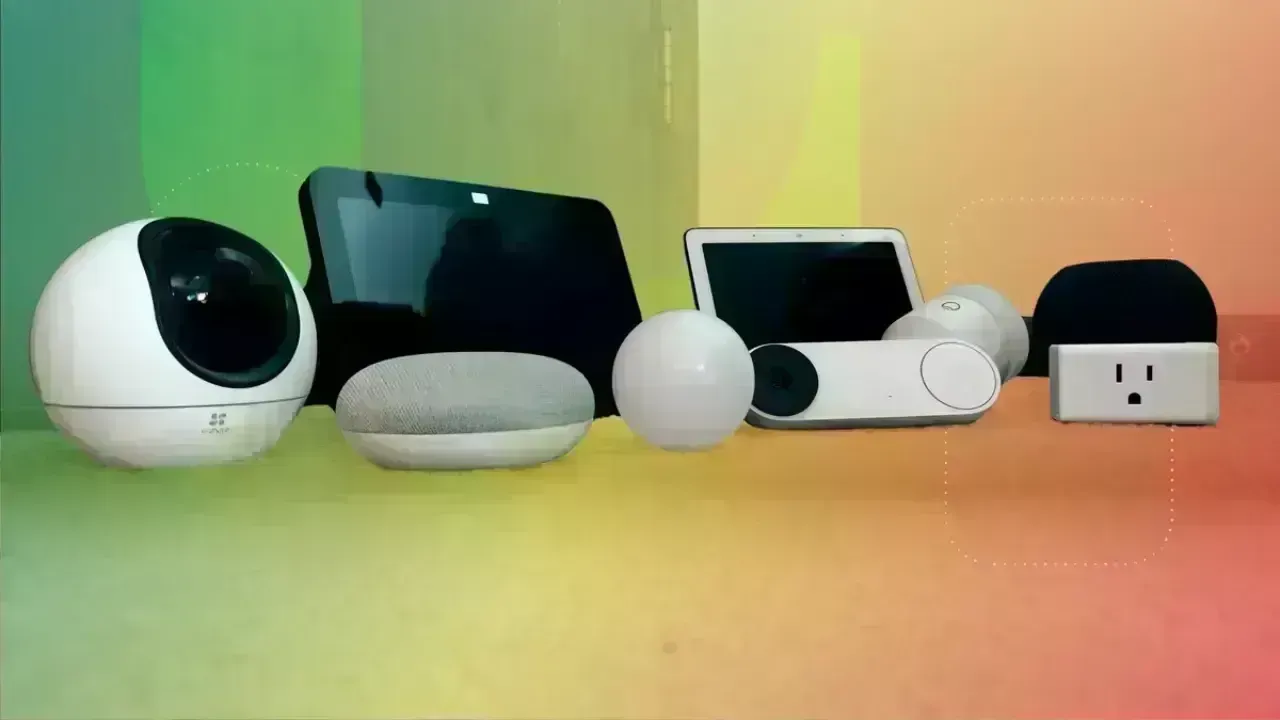
For many, smart speakers mark the initiation into the smart home realm. Acting as operational hubs, these gadgets facilitate control over various connected devices via voice commands. Their appeal lies in hands-free operation, quick access to information, and uniform compatibility with multiple smart gadgets.
Smart speakers are frequently used for tasks such as playing music, setting reminders, or receiving weather updates. As users familiarize themselves, they uncover greater functionalities, including managing lights or TVs effortlessly. This simplicity has led to smart speakers becoming one of the top smart home purchases worldwide.
Voice activation simplifies interactions for users. Rather than fumbling through apps or switches, commands can be made while engaged in other activities. This accessibility has resonated particularly well with families, senior citizens, and those with mobility issues. As voice recognition continues to develop, these devices are increasingly trusted and become essential in daily routines.
Smart lighting stands out with its widespread acceptance. Many start with smart bulbs or switches thanks to their straightforward installation and immediate impacts. Users gain the ability to manage brightness and colors through simple apps or voice commands.
A major draw is the automation capability. Lights can be programmed to turn on at specific times, adjust for movie nights, or shut down when no one’s home. These practical features make smart lighting an integral part of modern homes.
In addition to convenience, smart lighting systems promote energy efficiency. Automated settings and motion sensors cut down on unnecessary energy consumption. Furthermore, adjustable lighting supports mood creation, enhancing experiences at home, whether for work or relaxation. This balance of utility and personalization explains the continued popularity of smart lighting devices.
Cameras are key players in the smart home market, providing real-time monitoring and alerts for home security. Homeowners can check on their property anytime, ensuring a sense of safety that traditional systems often lack.
These smart cameras are useful for checking everything from package deliveries to potential intruders, assuring homeowners of their environment’s safety.
Typically installed both indoors and outside, these cameras serve various purposes. Indoor models might keep an eye on children or pets, while outdoor variants focus on entrances and borders. Notifications sent to smartphones transform how individuals approach home security, making these cameras a frequently chosen item.
Smart doorbells rank high in popularity among smart home gadgets. These all-in-one devices - integrating cameras, speakers, and motion sensors - alert users when someone is near and allow two-way communication.
This capability proves invaluable in our online shopping age, enabling users to see, talk to, and manage deliveries even when away from home.
Smart doorbells excel in providing security and everyday convenience. The ability to identify and interact with visitors remotely redefines expectations surrounding home access, making them a staple in smart homes.
Homeowners are opting for smart thermostats to enhance comfort and minimize energy costs. These devices adjust to individual preferences, automatically optimizing heating or cooling based on usage patterns.
Unlike traditional models, smart thermostats allow remote adjustments, appealing to those with busy schedules or frequent travelers, ensuring comfort without excess energy waste.
Many users appreciate smart thermostats for their potential long-term savings on utility bills. In a growing focus on sustainability, energy-efficient solutions are becoming more attractive, further promoting their adoption.
Smart plugs and switches represent cost-effective and adaptable smart products. They enable control over non-smart appliances via apps or voice commands, enhancing the range of home automation.
Consumers often use smart plugs with lamps, coffee machines, and other non-smart devices. With scheduling options, they can automate tasks like switching on lights in the morning or powering down devices at night.
Smart plugs are a favorite among renters or those new to smart homes due to their ease of installation and portability. Their adaptability greatly contributes to their popularity.
Smart TVs are quickly becoming standard in households, with built-in streaming capabilities and online access. Consumers prefer TVs that integrate well with other smart gadgets.
In addition to TVs, smart streaming devices and audio systems are gaining traction, enhancing entertainment through central control and voice commands.
Since entertainment is a key part of daily life, smart devices make it easier without significant lifestyle changes. Their established presence in entertainment settings facilitates adoption by many households.
Smart locks are gaining traction in urban households, providing easy locking and unlocking capabilities from anywhere. Users can digitally control access, offering peace of mind.
This newfound convenience eliminates concerns over misplaced keys or forgotten locks, boosting usability and security.
With advancements in encryption and authentication, consumers are slowly growing comfortable with smart locks. This increasing confidence fosters wider adoption, especially among those prioritizing security and convenience.
Although less visible than cameras or speakers, sensors like motion and environmental detectors are pivotal to smart homes. They help automate tasks and increase security.
These gadgets can trigger actions like illuminating spaces, sending alerts, or optimizing climate settings, proving essential for many smart home users.
Sensors provide homes with awareness, allowing them to respond intelligently. This level of automation leads to improvements in both efficiency and safety, thus becoming sought-after additions in smart home systems.
Smart appliances like refrigerators and robotic cleaners are becoming more prevalent as technology evolves. They offer features such as remote management and maintenance notifications.
Although generally higher in price, many consumers view these gadgets as worthwhile investments due to the convenience they provide.
What was once luxurious is now becoming a practical reality. As technological advancements lower costs and improve features, smart appliances are increasingly present in homes, further expanding the smart home market.
Across various categories, convenience drives smart home purchasing decisions. Products that minimize effort and simplify life capture the attention of shoppers.
As technologies become more established, prices tend to decline. Many popular smart devices are now accessible to broader audiences, prompting further exploration and system expansion.
Consumers prefer products that collaborate effectively. Once a household embraces one smart gadget, they find it easier to add further devices, leading to gradual increases in smart home integration.
Emerging trends in smart home purchases indicate a shift towards cohesive systems rather than standalone items. Shoppers are seeking products that work seamlessly together, offer intelligent adaptability, and provide real value beyond initial curiosity.
As understanding grows and technology develops, the concept of a smart home will shift from merely a collection of devices to a harmonious living space. The smart gadgets consumers are investing in today will pave the way for this exciting future.
Disclaimer:
This article is meant for informational purposes only. Product functionalities and user experiences may differ based on location, manufacturer, and individual usage habits.










Anticipated Dates for UAE Eid Al Adha 2026 Unveiled by Astronomical Experts
Experts predict Eid Al Adha 2026 in the UAE to start on May 27, prompting early holiday planning amo

DAE Achieves Remarkable Growth in Q1 2026 With Record Revenue
Dubai Aerospace Enterprise announces impressive financial results for Q1 2026, reflecting a surge in

Price Increase for Sony PS5 in Southeast Asia Effective May 1
Sony announces a price increase for the PS5 across Southeast Asia starting May 1, 2026, impacting ga

Potential ‘Super El Niño’ in 2026: Understanding the Climate Risks
Could a Super El Niño emerge in 2026? Discover its implications and potential global climate impacts

Global Energy Crisis Intensifies: Markets React to Oil Supply Challenges
Markets are on edge as oil disruptions escalate, influencing prices and economic stability. Explore

Must-See Tourist Spots in London You Can't Overlook
Explore London's essential attractions, from royal landmarks to vibrant markets, ensuring an unforge




