Post by : Shweta
In response to the ongoing conflict involving Iran, Japan has begun increasing its imports of Russian oil as global energy markets face significant disruptions. This strategic shift comes amidst rising global fuel shortages and escalating oil prices, exacerbated by instability in the Middle East.
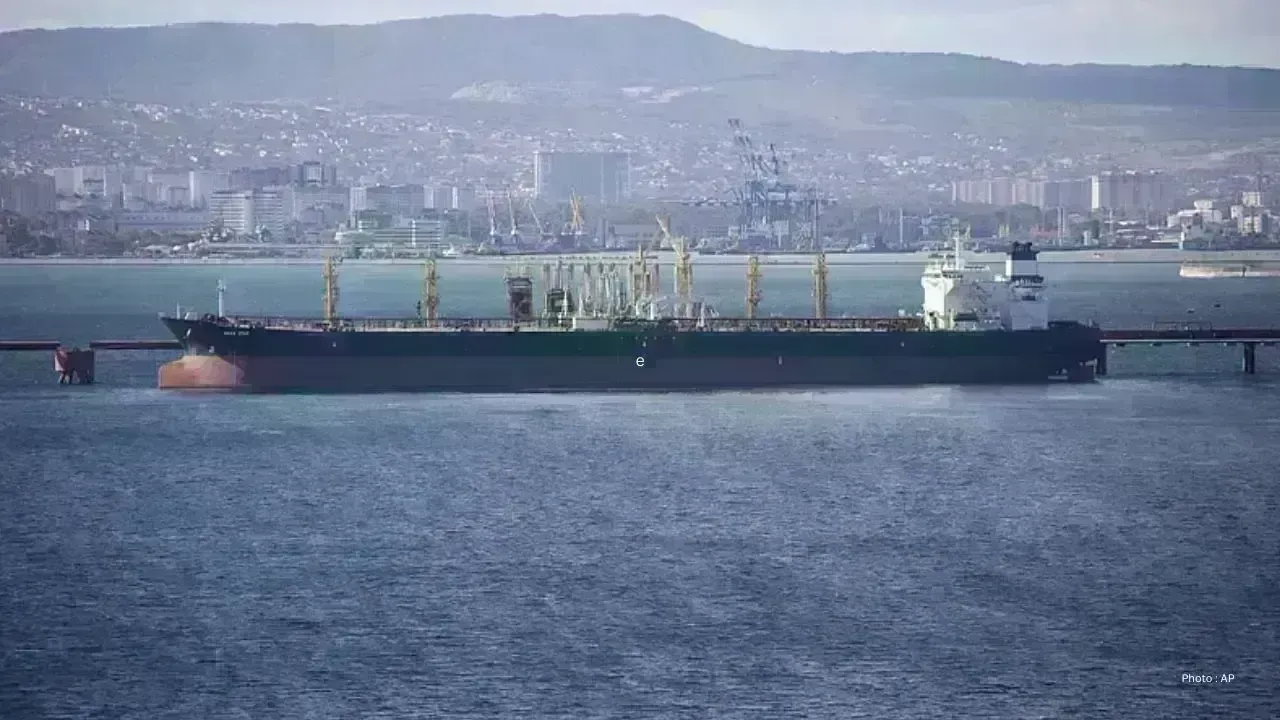
Recent reports highlight that Taiyo Oil, a Japanese refining company, has received crude oil from Russia’s Sakhalin-2 project, marking a major pivot toward Russian sources after a significant reduction in imports due to the Ukraine crisis.
The decision is influenced by major turmoil in the Strait of Hormuz, a pivotal shipping lane for oil. Historically, Japan has relied heavily on this region, with a significant portion of its oil imports flowing through it. As tensions related to the Iran conflict escalated, Japan’s energy security concerns intensified due to slowed maritime activities.
Japanese authorities and energy firms are actively seeking alternative suppliers, turning to the United States and other regions to mitigate the risk of shortages. This move aims to ensure stable energy supplies for both consumers and industries.
Experts note that the ramifications of the ongoing conflict extend beyond crude oil, with industries worldwide feeling the impact of shortages in fuels like jet fuel and liquefied petroleum gas. Rising shipping costs and delays have added inflationary pressure across various economies.
Japan continues to be a major player in the global energy import market, sourcing around 90 percent of its crude oil from Gulf nations pre-crisis. Consequently, any disruptions in the Middle East can swiftly affect Japanese economic stability, industrial efforts, and fuel pricing.
Analysts suggest that Japan’s pivot to Russian oil signifies a larger trend across Asia, with multiple nations adapting their energy strategies to navigate the current crisis. The focus appears to be shifting toward a more diversified approach to oil procurement to shield economies from geopolitical upheavals and potential future supply issues.
As the Iran conflict continues to influence global energy dynamics, experts caution that prolonged tensions may lead to further challenges for energy-dependent nations, including increased transportation costs, inflationary pressures, and slowed industrial development.









Anticipated Dates for UAE Eid Al Adha 2026 Unveiled by Astronomical Experts
Experts predict Eid Al Adha 2026 in the UAE to start on May 27, prompting early holiday planning amo

DAE Achieves Remarkable Growth in Q1 2026 With Record Revenue
Dubai Aerospace Enterprise announces impressive financial results for Q1 2026, reflecting a surge in

Price Increase for Sony PS5 in Southeast Asia Effective May 1
Sony announces a price increase for the PS5 across Southeast Asia starting May 1, 2026, impacting ga

Potential ‘Super El Niño’ in 2026: Understanding the Climate Risks
Could a Super El Niño emerge in 2026? Discover its implications and potential global climate impacts

Global Energy Crisis Intensifies: Markets React to Oil Supply Challenges
Markets are on edge as oil disruptions escalate, influencing prices and economic stability. Explore

Must-See Tourist Spots in London You Can't Overlook
Explore London's essential attractions, from royal landmarks to vibrant markets, ensuring an unforge




