
Post by : Monika
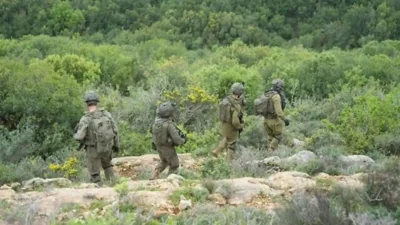
Photo:Reuters
A recent attack by Israel on Iran is making people all over the world think about how war is changing. It wasn’t a traditional war with large armies on battlefields. Instead, it was fast, sudden, and used modern machines and computers. This kind of fighting is becoming more common and shows that the future of war might look very different from what we’ve known before.
A New Kind of Conflict
In the past, wars happened over months or years, with soldiers fighting in open areas. Now, things move quickly. Israel’s strike happened without warning and used drones and smart systems that let one side hit the other in minutes—not days. That’s a big change.
Instead of thousands of soldiers, it’s now machines, screens, and buttons. Technology plays a huge role. Countries use flying robots (drones) to spy or attack. They also use computer systems to plan and launch attacks from far away. It’s faster, and often, quieter.
Why Speed and Surprise Matter Now
One major lesson from the Israel-Iran attack is how important surprise has become. These days, many military plans are based on striking before the other side even knows it’s coming. This helps get ahead, but it also brings risks.
If something goes wrong, like hitting the wrong place or hurting innocent people, there’s often no time to fix it. And when things move this fast, there’s hardly time for talks or peaceful solutions.
People Worry About Safety
Many people are starting to worry about how these modern tools are being used. What if the technology fails? What if it misunderstands orders or targets the wrong area? Machines don’t think like people. If something bad happens, it could cause serious harm before anyone realizes what’s going on.
Also, since these attacks happen suddenly, regular people—civilians—don’t have time to react. They may not know where to go or what’s happening. That creates fear and confusion in everyday life.
What Does This Mean for the Future?
Experts say this may be the direction wars are going in. More drones. More secret plans. More fast, quiet attacks. Cyber weapons (used through the internet) may also be used to shut down systems instead of firing missiles.
But this also means that peace may be harder to keep. If countries are always planning secret attacks, how can they trust each other? One mistake or misunderstanding could lead to bigger conflicts.
How It Affects People
People who live near or in conflict areas are the ones who suffer the most. Even if the target is a military base, civilians might be nearby. They could get hurt, lose their homes, or be caught in the middle of something they don’t understand.
So while countries try to protect themselves with new tools, they must also think about the people who might be affected by those actions.
Why Countries Choose This Way
Israel, like some other countries, says that acting quickly helps keep them safe. If they think a threat is growing, they want to stop it before it becomes too big.
They believe that using smart machines and fast plans can reduce the number of deaths and prevent long wars. But others believe that it’s dangerous to depend so much on machines. Computers can’t feel or understand things the way people do.
We Need Rules and Care
Many leaders and peace groups now say that it’s time to set clear rules. Drones, robots, and cyber tools shouldn’t be used without limits. Countries need to agree on what’s okay and what’s not.
If everyone just acts on their own, the world could become more dangerous. Clear agreements and communication are needed to prevent accidents or misunderstandings.
What Can We Learn?
For students and young people watching these events, there’s a lot to think about. It’s important to understand how the world is changing. Wars are no longer just fought with guns and tanks. They’re happening with buttons, screens, and fast moves.
This doesn’t mean there’s no hope. It means we need to be smarter, kinder, and more careful in the future. Peace is still possible—but only if people are willing to talk, listen, and put human lives before technology.









DAE Achieves Remarkable Growth in Q1 2026 With Record Revenue
Dubai Aerospace Enterprise announces impressive financial results for Q1 2026, reflecting a surge in

Price Increase for Sony PS5 in Southeast Asia Effective May 1
Sony announces a price increase for the PS5 across Southeast Asia starting May 1, 2026, impacting ga

Potential ‘Super El Niño’ in 2026: Understanding the Climate Risks
Could a Super El Niño emerge in 2026? Discover its implications and potential global climate impacts

Global Energy Crisis Intensifies: Markets React to Oil Supply Challenges
Markets are on edge as oil disruptions escalate, influencing prices and economic stability. Explore

Must-See Tourist Spots in London You Can't Overlook
Explore London's essential attractions, from royal landmarks to vibrant markets, ensuring an unforge

Ultimate Guide to Snagging Cheap Flights in 2026
Unlock the secrets to booking affordable flights in 2026 with insightful tips and strategies tailore




