Post by : Priya
Photo:Reuters
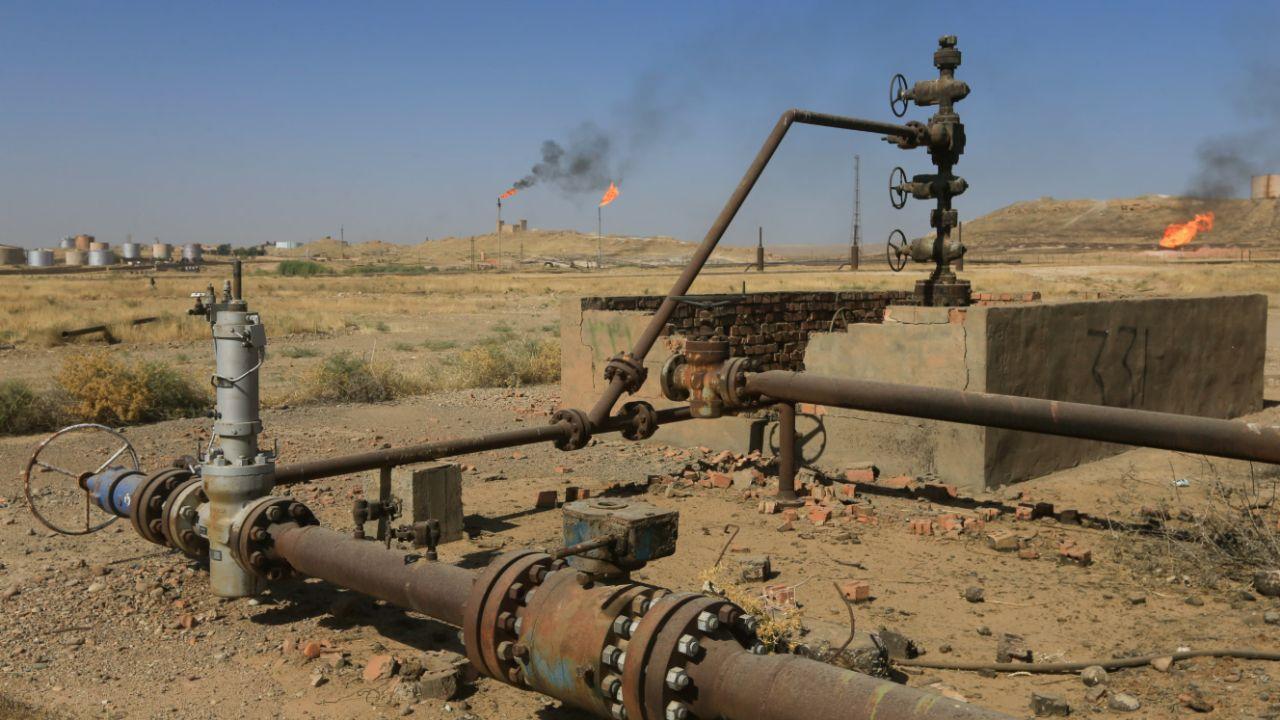
In a significant development that could reshape Iraq’s internal political and economic landscape, the federal government in Baghdad and the Kurdistan Regional Government (KRG) in Irbil have reached a historic agreement to resume Kurdish oil exports. This deal ends more than two years of stalemate and uncertainty that followed an international legal dispute, and it marks a new beginning for cooperation between the two governments.
The agreement is not just about oil. It is also about resolving deeper political and economic differences that have affected Iraq’s unity, stability, and prosperity for decades. This editorial explores the details of the deal, the reasons behind the export halt, the consequences faced by both sides, and what this new agreement means for Iraq’s future.
A Long Dispute Over Oil and Sovereignty
Iraq is one of the world’s top oil-producing countries, and petroleum accounts for over 90% of the government’s revenue. Within Iraq, the semi-autonomous Kurdish region in the north — governed from Irbil — controls vast oil fields. For years, the KRG exported oil independently through a pipeline to the Turkish port of Ceyhan, bypassing Baghdad’s authority.
This independent export policy sparked tension between the two governments. Baghdad argued that only the federal government had the constitutional right to manage oil exports, while Irbil claimed autonomy over its natural resources under the 2005 Iraqi Constitution.
In 2023, the conflict came to a head when the International Court of Arbitration in Paris ruled in favor of Baghdad. The court stated that Iraq had full rights over oil exports, including those from the Kurdish region. As a result, oil exports from the KRG to Turkey were stopped, and the economic consequences were immediate and severe.
The Impact of the Oil Export Halt
1. Economic Strain on the Kurdish Region
The KRG lost its most vital source of income. The suspension of nearly 450,000 barrels per day in oil exports left the regional government unable to pay public sector salaries on time. Teachers, doctors, and civil servants went unpaid for months. This caused mass protests in Irbil, Sulaymaniyah, and other cities.
The halt not only affected public employees but also small businesses, trade, and infrastructure projects. The entire Kurdish economy was pushed to the brink of collapse.
2. Budget Disputes and Political Tension
With the oil stopped, the KRG demanded compensation from the federal government. Baghdad offered partial funding but insisted that future oil sales must be centralized. This created more distrust. The failure to pass a national oil and gas law that would clearly define the roles of Baghdad and Irbil only deepened the divide.
3. Loss of International Investment
The uncertainty also scared away foreign companies and investors. International oil firms operating in Kurdistan began withdrawing staff and freezing new projects. Investors feared legal battles and political instability.
4. Strained Regional Relations
The pipeline to Turkey became a symbol of disagreement. Turkey, facing legal risks for accepting Kurdish oil, closed the pipeline in line with the court decision. This worsened relations between Ankara and Irbil and created diplomatic challenges for Baghdad as well.
The New Agreement: Key Terms and Understandings
In July 2025, after months of behind-the-scenes negotiations, both Baghdad and Irbil announced that they had reached a new agreement. The deal includes several key elements that aim to create a fair and cooperative oil export system:
Joint Management of Oil Exports
Baghdad and Irbil will now jointly oversee the export of oil from the Kurdish region. While the federal government retains ultimate authority, the KRG will have a role in managing and reporting the production and transport of oil.
Revenue Sharing
The revenue from oil sales will be deposited into a central account, and a fair share will be distributed to the KRG. In return, the KRG has agreed to report all oil production figures transparently.
Budget Commitments
The federal government has promised to send regular monthly budget transfers to the Kurdish region to help cover salaries and government expenses. This will stabilize public services and reduce tensions in Kurdish provinces.
Turkey’s Cooperation
Turkey has agreed to reopen the Ceyhan pipeline and allow Iraqi oil — including that from the Kurdish fields — to flow under the authority of Baghdad. This move ends the blockade that had stopped exports for over two years.
Statements from Key Leaders
Iraqi Prime Minister Mohammed Shia’ Al Sudani:
“This agreement is a turning point. It shows that dialogue and national interest can guide us forward. Iraq belongs to all its people, and we are committed to fairness and cooperation.”
KRG Prime Minister Masrour Barzani:
“We welcome this deal because it restores financial stability for our people. We have always supported a peaceful solution. Now is the time to rebuild trust and move forward.”
Regional and Global Reaction
International observers, including the United Nations and the United States, have welcomed the deal. Analysts believe this agreement could improve Iraq’s internal stability and enhance its position in OPEC and the global energy market.
Energy companies that operate in the region are also expected to resume their activities. Many had paused operations during the export freeze due to the legal and political risks involved.
Challenges Ahead
While the agreement is a major success, it is not a final solution. There are still several challenges that could affect the long-term success of this deal:
1. Passing a National Oil and Gas Law
Iraq still lacks a clear oil and gas law that defines the powers of the federal and regional governments. Without it, future disputes could arise again.
2. Political Uncertainty
Elections in either Baghdad or Irbil could bring new leaders who may not honor the current deal. Political change can easily shift policies in fragile democracies like Iraq.
3. Technical and Security Risks
The pipeline to Turkey has suffered damage and lack of maintenance. Reopening it requires major repairs and coordination. Also, Iraq still faces security threats from militias and extremist groups that could target energy infrastructure.
4. Trust Issues
Years of mistrust between Baghdad and Irbil cannot be erased overnight. Even with an agreement in place, daily cooperation will require careful diplomacy and patience.


DAE Achieves Remarkable Growth in Q1 2026 With Record Revenue
Dubai Aerospace Enterprise announces impressive financial results for Q1 2026, reflecting a surge in

Price Increase for Sony PS5 in Southeast Asia Effective May 1
Sony announces a price increase for the PS5 across Southeast Asia starting May 1, 2026, impacting ga

Potential ‘Super El Niño’ in 2026: Understanding the Climate Risks
Could a Super El Niño emerge in 2026? Discover its implications and potential global climate impacts

Global Energy Crisis Intensifies: Markets React to Oil Supply Challenges
Markets are on edge as oil disruptions escalate, influencing prices and economic stability. Explore

Must-See Tourist Spots in London You Can't Overlook
Explore London's essential attractions, from royal landmarks to vibrant markets, ensuring an unforge

Ultimate Guide to Snagging Cheap Flights in 2026
Unlock the secrets to booking affordable flights in 2026 with insightful tips and strategies tailore




