Post by : Saif Nasser
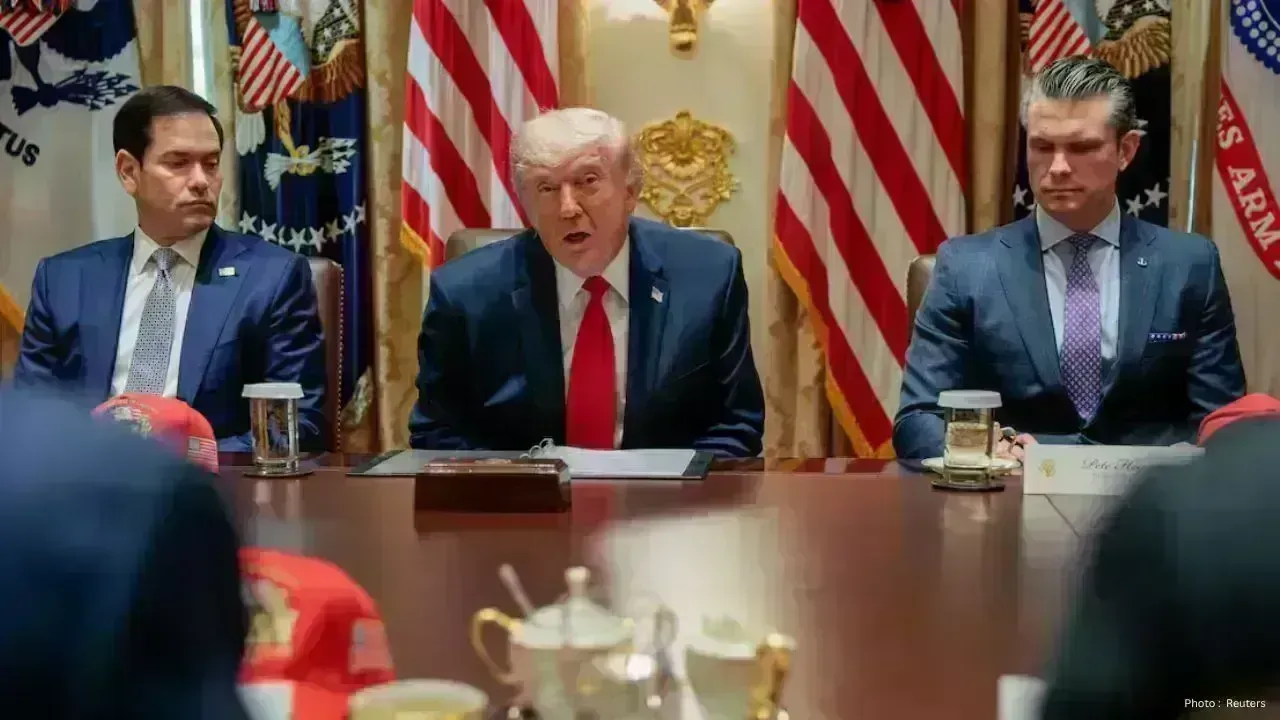
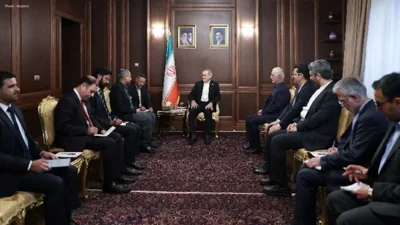
Iran and the United States have reportedly reached a preliminary agreement to extend an existing ceasefire arrangement, with final approval still expected from former U.S. President Donald Trump.
The reported understanding comes during a period of heightened concern over military activity, regional security, and the safety of international oil shipping routes in the Gulf region.
Diplomatic discussions between both sides have continued through mediators as efforts increase to prevent further military escalation and stabilize conditions near the Strait of Hormuz. The waterway remains one of the world’s most important oil transport routes, carrying a major share of global crude exports every day.
Officials involved in the negotiations are believed to be focusing on reducing military pressure, protecting maritime trade, and creating conditions for broader diplomatic engagement. The proposed ceasefire extension could help lower immediate risks linked to regional instability and global energy markets.
Relations between Washington and Tehran have remained difficult for decades due to disagreements involving sanctions, nuclear activities, regional influence, and military operations. Periodic confrontations between both countries have repeatedly affected international diplomacy and oil prices.
The latest development has drawn attention from global financial markets because instability in the Gulf often affects fuel prices, transportation costs, and international trade. Investors and energy companies continue monitoring the situation closely.
Security concerns increased in recent weeks after reports of military exchanges and heightened naval activity near strategic shipping lanes. Several countries have urged both sides to avoid actions that could increase regional instability further.
The reported ceasefire extension may provide temporary relief for international markets worried about possible disruptions in crude oil supplies. Energy-importing nations are especially sensitive to developments in the Gulf because rising oil prices can directly affect inflation and economic growth.
Diplomatic efforts involving regional and international mediators have played an important role in maintaining communication between both governments. Analysts believe continued dialogue remains necessary to avoid accidental escalation and support long-term stability.
At the same time, experts warn that significant political and strategic disagreements between Iran and the United States still remain unresolved. A temporary ceasefire may reduce immediate military risks, but broader tensions linked to sanctions, nuclear negotiations, and regional influence continue affecting relations.
The Strait of Hormuz remains central to global energy security because a large portion of international oil trade passes through the narrow route. Any disruption in the area can quickly influence fuel prices and global economic confidence.
Regional governments are also closely observing developments because Gulf stability directly affects trade, investment, tourism, and shipping operations across the Middle East.
Military analysts say ceasefire arrangements can help create space for diplomatic talks, but maintaining long-term peace requires consistent communication and mutual political understanding.
Global markets responded cautiously to reports of the proposed agreement, with investors hoping reduced military activity could stabilize energy prices and lower geopolitical risk in the region.
The possible extension also highlights the growing importance of diplomacy in preventing wider conflict near critical international shipping routes. Several world powers continue encouraging both sides to support peaceful negotiations instead of military escalation.
Attention is now focused on whether final political approval will be granted and how both governments will manage future negotiations. International observers believe the coming weeks could play an important role in shaping Gulf security and broader regional stability.
The reported ceasefire extension may not resolve all disputes between Iran and the United States, but it could help reduce immediate military pressure and support efforts aimed at avoiding a larger regional conflict.






Meta Unveils Subscription Plans for Instagram, Facebook, and WhatsApp
Meta introduces new subscription plans for users of Instagram, Facebook, and WhatsApp, featuring enh

Suvarna Joy on Education Leadership, Resilience, and Building Purpose Through Adversity in the UAE
Suvarna Joy shares her journey of education leadership, motherhood, faith, and resilience within the

Anticipated Dates for UAE Eid Al Adha 2026 Unveiled by Astronomical Experts
Experts predict Eid Al Adha 2026 in the UAE to start on May 27, prompting early holiday planning amo

DAE Achieves Remarkable Growth in Q1 2026 With Record Revenue
Dubai Aerospace Enterprise announces impressive financial results for Q1 2026, reflecting a surge in

Price Increase for Sony PS5 in Southeast Asia Effective May 1
Sony announces a price increase for the PS5 across Southeast Asia starting May 1, 2026, impacting ga

Potential ‘Super El Niño’ in 2026: Understanding the Climate Risks
Could a Super El Niño emerge in 2026? Discover its implications and potential global climate impacts




