Post by : Saif Nasser
Middle East is once again facing a dangerous moment. Recent military exchanges involving Iran, the United States, and Israel have raised fears that the region could move further away from peace and closer to a wider conflict. What began as efforts to find diplomatic solutions now appears to be facing serious obstacles. Missile launches, airstrikes, and growing political disagreements have increased uncertainty across the region. At the same time, millions of people are watching closely because the consequences of this crisis reach far beyond national borders.
The latest developments show how fragile the situation has become. Reports indicate that Iranian forces launched missiles toward Gulf countries, while American military forces responded with strikes against Iranian positions. Several drones were also reportedly intercepted during the exchanges. These events took place as discussions aimed at reducing tensions appeared to be losing momentum. While officials in Washington have expressed hope that communication channels remain open, reports from Tehran suggest that negotiations have slowed significantly. The gap between public statements and actions on the ground highlights the difficulty of finding a path toward peace.
A major concern is that military actions are now taking place alongside stalled diplomacy. History shows that when talks weaken and armed exchanges increase, the risk of miscalculation becomes much higher. Even a limited strike can trigger a larger response, creating a cycle that becomes difficult to stop. In such situations, leaders often face pressure from domestic audiences, military institutions, and political allies, making compromise more challenging.
Another important issue is the connection between regional conflicts. Reports suggest that Tehran wants broader security concerns addressed, including developments in Lebanon, before moving forward with meaningful negotiations. This demonstrates that many disputes in the Middle East are interconnected. Solving one problem often requires progress on several others. A narrow agreement may not be enough if deeper political and security concerns remain unresolved.
The impact of the crisis is not limited to governments and military forces. Ordinary people are already feeling the effects. Economic pressure inside Iran has become severe, with inflation reaching extremely high levels. The rising cost of food and essential goods has created hardship for many families. Economic difficulties, combined with uncertainty caused by conflict, can increase public frustration and social tension. When people struggle to meet daily needs, political instability often becomes more likely.
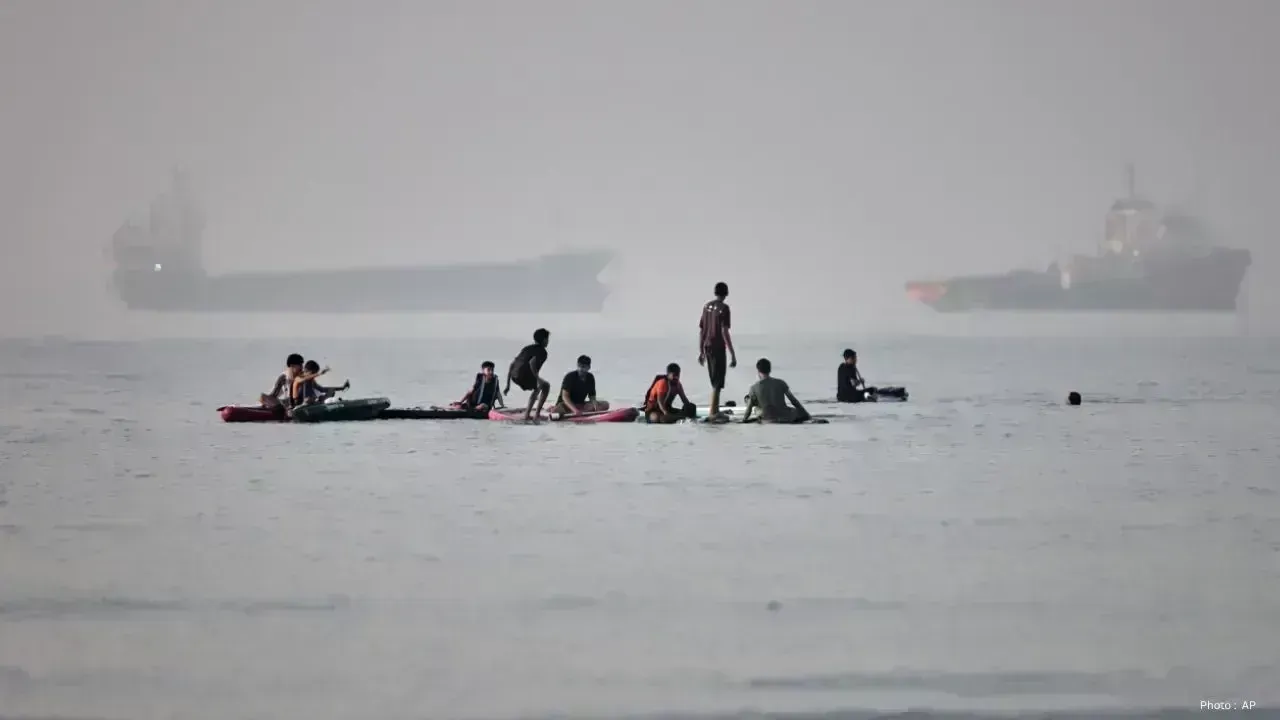
Global energy markets are also paying close attention. The Strait of Hormuz remains one of the world's most important shipping routes for oil and natural gas. Any threat to movement through this waterway can affect fuel prices around the world. Previous disruptions have already pushed energy costs higher. If tensions continue to rise, consumers and businesses far from the Middle East could face increased expenses for transportation, manufacturing, and other essential services.
From an editorial perspective, the greatest danger is not a single military incident but the gradual normalization of confrontation. Each new exchange can make future actions seem more acceptable. Over time, this creates an environment where diplomacy becomes secondary to military calculations. Such a trend would be harmful not only for the countries directly involved but also for neighboring states that may become caught in the crossfire.
The international community has an important role to play. Regional powers, global organizations, and diplomatic partners should encourage continued dialogue and support efforts that reduce tensions. Successful negotiations require patience, compromise, and a willingness to address the concerns of all sides. While differences over security, sanctions, and regional influence remain significant, the alternative to diplomacy could be far more costly.
The United States, Iran, and Israel each face complex security challenges and political pressures. However, military action alone is unlikely to provide a lasting solution. Lasting stability comes from agreements that reduce fear, build trust, and create mechanisms to prevent future crises. The current situation shows how urgently such efforts are needed.
The Middle East has experienced decades of conflict, instability, and missed opportunities for peace. The latest escalation serves as a reminder that progress can quickly be reversed when negotiations falter. Leaders now face a critical choice. They can continue down a path that increases the risk of wider confrontation, or they can return to serious diplomacy aimed at preventing further suffering and economic disruption.
The stakes are too high for failure. Regional stability, global energy security, and the well-being of millions of people depend on finding a peaceful way forward. The coming weeks may determine whether the region moves toward greater conflict or renewed efforts for dialogue and cooperation. For the sake of both the Middle East and the wider world, diplomacy must remain the priority.






Achieve Radiant Skin with This Simple Rice Flour Treatment
Transform your skincare routine! Discover how a rice flour mix can restore your skin's glow without

Meta Unveils Subscription Plans for Instagram, Facebook, and WhatsApp
Meta introduces new subscription plans for users of Instagram, Facebook, and WhatsApp, featuring enh

Suvarna Joy on Education Leadership, Resilience, and Building Purpose Through Adversity in the UAE
Suvarna Joy shares her journey of education leadership, motherhood, faith, and resilience within the

Anticipated Dates for UAE Eid Al Adha 2026 Unveiled by Astronomical Experts
Experts predict Eid Al Adha 2026 in the UAE to start on May 27, prompting early holiday planning amo

DAE Achieves Remarkable Growth in Q1 2026 With Record Revenue
Dubai Aerospace Enterprise announces impressive financial results for Q1 2026, reflecting a surge in

Price Increase for Sony PS5 in Southeast Asia Effective May 1
Sony announces a price increase for the PS5 across Southeast Asia starting May 1, 2026, impacting ga




