Post by : Bianca Suleiman
In a significant move, Iran has announced the reopening of the Strait of Hormuz for commercial shipping, indicating a temporary de-escalation of regional tensions during the current ceasefire phase.
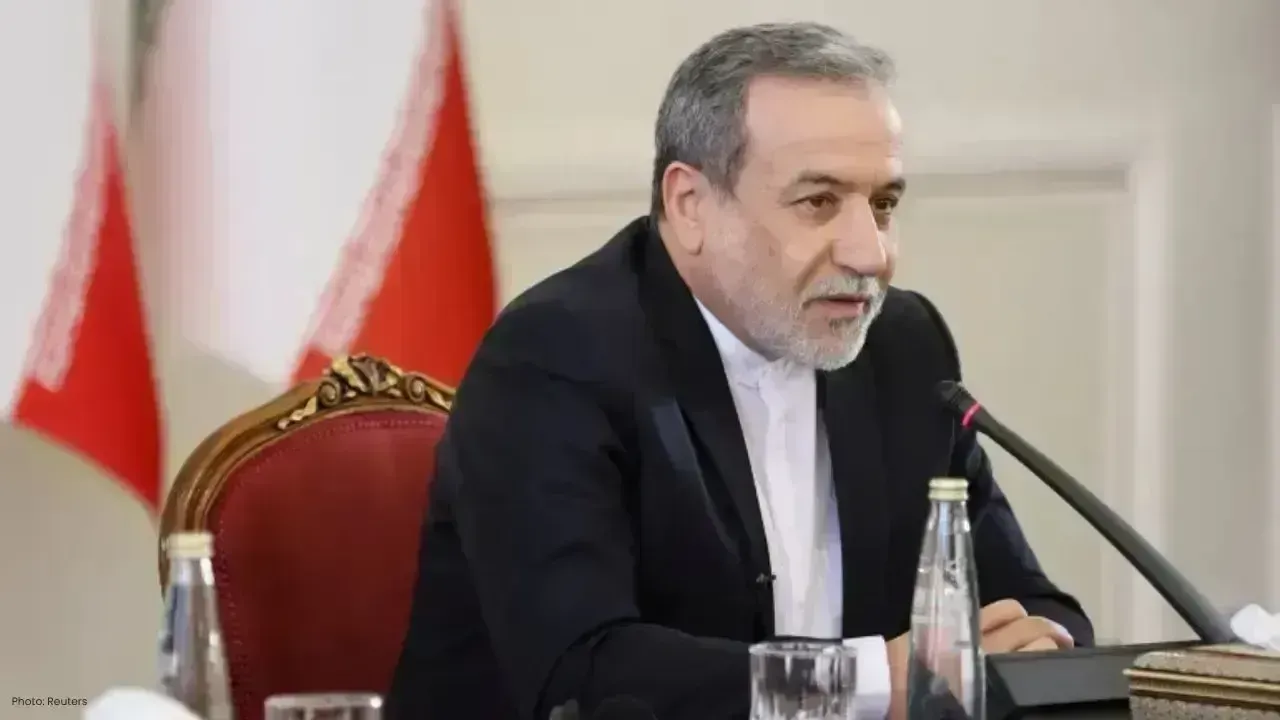
Foreign Minister Abbas Araghchi revealed that all commercial vessels are permitted to navigate this vital waterway once again, although passage will be controlled, necessitating adherence to routes organized by Iran’s maritime authorities.
This development aligns with a delicate 10-day ceasefire agreement involving Israel and Lebanon. The commitment of Hezbollah, the Iran-affiliated group in southern Lebanon, to maintain the truce remains uncertain.
Immediate Impact on Oil Prices
The global oil market reacted swiftly following the reopening announcement:
Brent crude prices fell to $87.94 per barrel
US crude dropped to $83.33 per barrel
This decline reflects a diminished fear of interruptions in oil supply through the Strait, which is responsible for nearly 20% of the world’s energy transport.
Ongoing US Pressure
President Trump announced that the Strait is now “open and ready for business,” while simultaneously reiterating that the US naval blockade on Iran remains until a comprehensive agreement is finalized.
He asserted Iran's willingness not to exploit the Strait for geopolitical leverage, but this claim lacks independent verification as of yet.
Despite the reopening, Iran has specified that transit will be restricted to non-military vessels, contingent upon prior approval from its naval forces.
Context of the Ongoing Conflict
The current conflict involving the US, Israel, and Iran has been underway since February 28, leading to over 3,000 fatalities. Previously, Iran had blocked the Strait, inciting global alarm over energy supply chains.
In response, the US enforced a naval blockade on Iranian ports after diplomatic negotiations faltered.
Prospects for a Diplomatic Solution
Trump remarked that a deal to conclude the conflict is “very close,” with no significant hurdles remaining. Reports suggest that discussions may involve elements of Iran’s nuclear program, although Tehran denies any negotiation regarding the transfer of enriched uranium.
Updates on Lebanon Ceasefire
Trump also mentioned that Israel has been directed to refrain from bombarding Lebanon. While major airstrikes have not been reported recently, minor military activities, including artillery fire in southern Lebanon, continue.
Analysts express cautious optimism about the ceasefire, but doubts persist regarding a long-lasting peace agreement. Nevertheless, ongoing diplomatic efforts may gradually stabilize the region.






Achieve Radiant Skin with This Simple Rice Flour Treatment
Transform your skincare routine! Discover how a rice flour mix can restore your skin's glow without

Meta Unveils Subscription Plans for Instagram, Facebook, and WhatsApp
Meta introduces new subscription plans for users of Instagram, Facebook, and WhatsApp, featuring enh

Suvarna Joy on Education Leadership, Resilience, and Building Purpose Through Adversity in the UAE
Suvarna Joy shares her journey of education leadership, motherhood, faith, and resilience within the

Anticipated Dates for UAE Eid Al Adha 2026 Unveiled by Astronomical Experts
Experts predict Eid Al Adha 2026 in the UAE to start on May 27, prompting early holiday planning amo

DAE Achieves Remarkable Growth in Q1 2026 With Record Revenue
Dubai Aerospace Enterprise announces impressive financial results for Q1 2026, reflecting a surge in

Price Increase for Sony PS5 in Southeast Asia Effective May 1
Sony announces a price increase for the PS5 across Southeast Asia starting May 1, 2026, impacting ga




