Post by : Shweta
In a significant escalation of tensions, Iranian officials have indicated that a renewed conflict with the United States is becoming “likely” after President Donald Trump turned down Tehran’s recent proposal for dialogue aimed at alleviating hostilities. This alarming development comes despite efforts for a ceasefire and ongoing diplomatic discussions intended to ease military strains in the Middle East.
Recent reports suggest that Iran submitted a new diplomatic proposal through intermediaries in Pakistan, hoping to rejuvenate negotiations and address ongoing disagreements with the United States. Elements of this proposal reportedly included discussions on reopening the vital Strait of Hormuz, de-escalating military tensions, and resuming talks about Iran’s nuclear activities in return for sanction relief. However, Trump responded that he was “not satisfied” and deemed Iran’s conditions unacceptable.
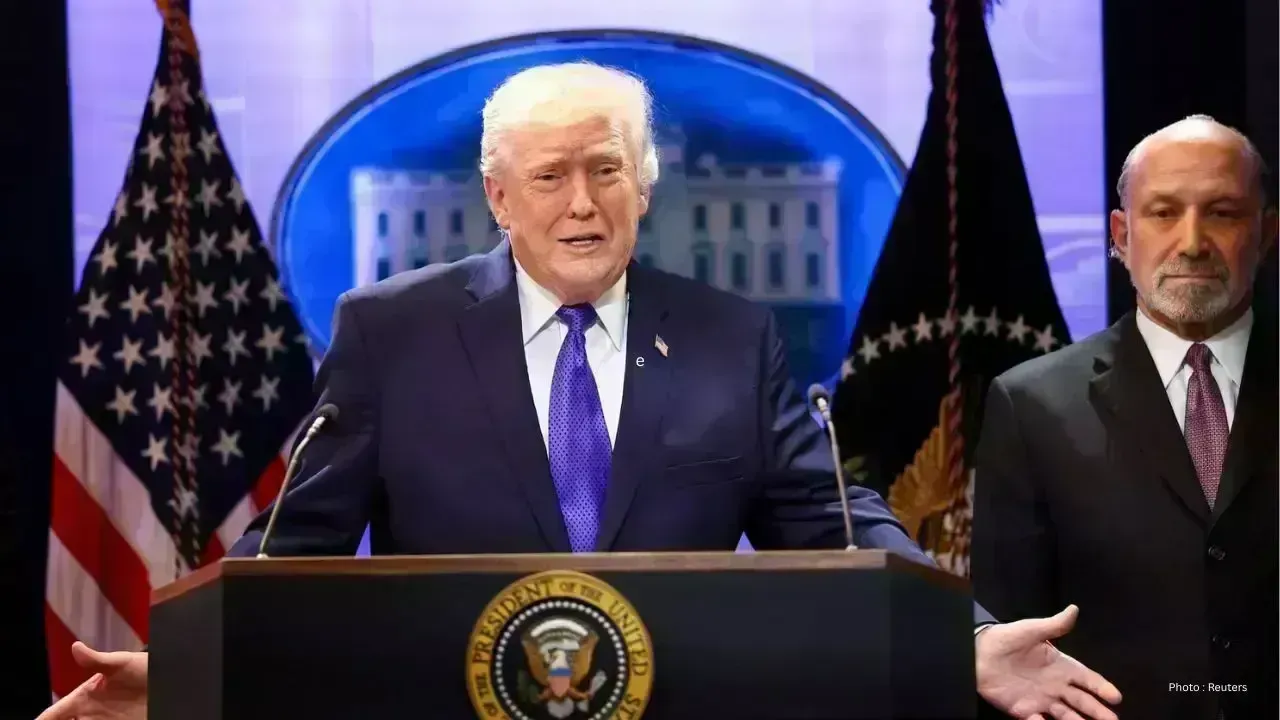
In a press conference at the White House, Trump expressed that Iran’s leadership seems to be in disarray and accused Tehran of presenting unreasonable demands during the negotiations. He reiterated that the U.S. will not back down from confrontation without firm assurances concerning Iran’s nuclear agenda and actions in the region. Trump also emphasized that military options remain on the table should diplomatic efforts falter.
Iran's reaction to Trump's statements was swift and forceful. A senior Iranian military leader warned that further conflict with the U.S. was “likely” if Washington maintained its aggressive tactics and military posturing. Iranian officials criticized the ongoing U.S. naval blockade of the Strait of Hormuz, labeling it a significant infringement on international rights and regional stability.
Tensions between the two nations have lingered since a ceasefire was proclaimed in early April, following a series of military confrontations, missile strikes, and naval skirmishes in the Gulf. While outright conflict has subsided since the ceasefire, mutual accusations of treaty violations and unwillingness to compromise continue to escalate.
Central to the discord is Iran’s nuclear program; the Trump administration insists Iran must halt uranium enrichment permanently and consent to rigorous international monitoring as a precondition for lifting sanctions. Conversely, Iran maintains its right for peaceful nuclear endeavors and rejects what it considers detrimental demands.
The Strait of Hormuz remains a contentious point in the ongoing crisis. Iran had previously disrupted maritime traffic in this strategic route, which is crucial for worldwide oil transportation. In response, the U.S. has conducted naval operations and issued warnings to international shipping entities. Analysts predict that continued strain around Hormuz could significantly impact global energy markets and elevate fuel prices internationally.
Domestically, political pressures are mounting against Trump. Criticism has emerged in Congress regarding his management of the ongoing conflict, with accusations of a lack of clear strategic direction. Several lawmakers have pointed out the legal challenges posed by ongoing military actions without formal congressional consent under the War Powers Resolution.
International observers express concern that the situation may revert to outright conflict if diplomatic channels falter yet again. Regional entities, including Pakistan and Gulf nations, are reportedly pursuing backdoor negotiations to avert another major escalation. Nevertheless, experts argue that trust between Washington and Tehran remains alarmingly fragile, complicating the negotiation landscape.
As military tensions persist and negotiations stagnate, uncertainty in the Middle East is escalating once more. Experts caution that any renewed confrontation between the U.S. and Iran could profoundly influence regional stability, global oil markets, and international diplomatic efforts in the months ahead.








DAE Achieves Remarkable Growth in Q1 2026 With Record Revenue
Dubai Aerospace Enterprise announces impressive financial results for Q1 2026, reflecting a surge in

Price Increase for Sony PS5 in Southeast Asia Effective May 1
Sony announces a price increase for the PS5 across Southeast Asia starting May 1, 2026, impacting ga

Potential ‘Super El Niño’ in 2026: Understanding the Climate Risks
Could a Super El Niño emerge in 2026? Discover its implications and potential global climate impacts

Global Energy Crisis Intensifies: Markets React to Oil Supply Challenges
Markets are on edge as oil disruptions escalate, influencing prices and economic stability. Explore

Must-See Tourist Spots in London You Can't Overlook
Explore London's essential attractions, from royal landmarks to vibrant markets, ensuring an unforge

Ultimate Guide to Snagging Cheap Flights in 2026
Unlock the secrets to booking affordable flights in 2026 with insightful tips and strategies tailore




