Post by : Shweta
The Middle East has witnessed a dramatic escalation in tensions as an Iranian drone and missile assault hit Kuwait International Airport, mere hours after the U.S. military conducted targeted strikes on Iran's Qeshm Island. This incident signifies one of the most severe confrontations in recent Gulf history, with apprehensions growing about a larger regional conflict. Reports indicate the attack inflicted damage on the airport facilities, resulted in injuries, and led to alterations or suspensions of various flight operations.
Kuwait's General Civil Aviation Authority reported extensive damage to Terminal 1 at Kuwait International Airport. Emergency services swiftly responded while airport officials secured the site and assessed the damage. Flight schedules faced disruptions as safety protocols led to temporary restrictions on operations. Airlines also issued travel advisories regarding flights to and from Kuwait.
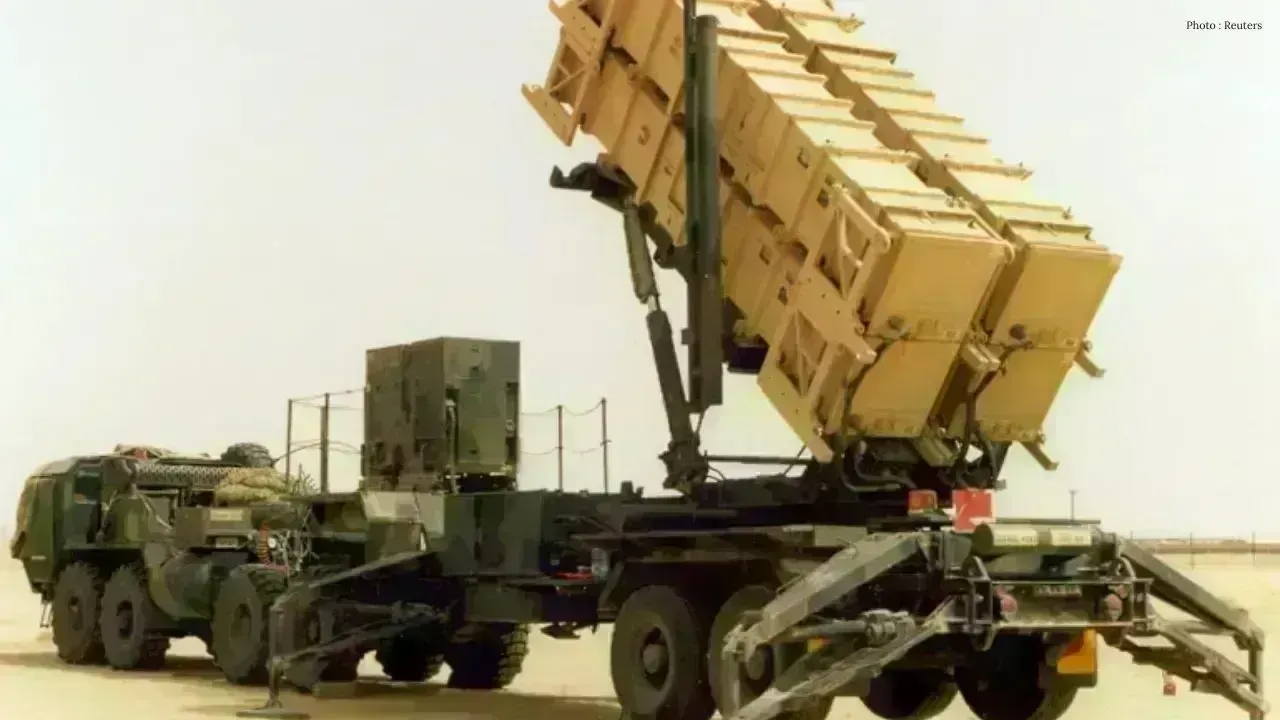
This assault followed U.S. military actions against military installations on Iran's Qeshm Island. The U.S. Central Command (CENTCOM) indicated that the operation was carried out in self-defense, highlighting that Iranian missile and drone threats targeted U.S. forces and allies in the region. Reports from U.S. officials revealed that several Iranian missiles aimed at Kuwait and Bahrain either missed their targets or were intercepted.
The Islamic Revolutionary Guard Corps (IRGC) of Iran claimed responsibility for the retaliatory strikes aimed at U.S. interests in the region. According to Iranian state media, these attacks were a response to American military actions near Qeshm Island and other areas in the Gulf. While Tehran accuses Washington of escalating tensions, U.S. officials contend that Iran instigated the current hostilities.
The cycle of retaliatory attacks has ushered in a wave of uncertainty across the Gulf. In response, Kuwait and Bahrain have activated air defense systems, and regional governments have heightened security around critical transport infrastructure. Analysts express concern that ongoing military escalation could jeopardize vital shipping lanes, aviation operations, and overall economic stability in this geopolitically crucial area.
Despite diplomatic efforts aimed at de-escalation, the situation appears precarious. Recent attempts to sustain a ceasefire have encountered significant obstacles, with both Washington and Tehran blaming each other for the provocation of violence. Experts warn that without a swift restoration of diplomatic avenues, the likelihood of further military confrontations may increase in the near future.
This attack on Kuwait’s primary airport underscores the growing impact of regional conflicts on civilian and infrastructural integrity. As investigations progress and assessments unfold, the global community remains vigilant, anxious that the scope of the conflict might broaden and ensnare additional nations in this upheaval.









Achieve Radiant Skin with This Simple Rice Flour Treatment
Transform your skincare routine! Discover how a rice flour mix can restore your skin's glow without

Meta Unveils Subscription Plans for Instagram, Facebook, and WhatsApp
Meta introduces new subscription plans for users of Instagram, Facebook, and WhatsApp, featuring enh

Suvarna Joy on Education Leadership, Resilience, and Building Purpose Through Adversity in the UAE
Suvarna Joy shares her journey of education leadership, motherhood, faith, and resilience within the

Anticipated Dates for UAE Eid Al Adha 2026 Unveiled by Astronomical Experts
Experts predict Eid Al Adha 2026 in the UAE to start on May 27, prompting early holiday planning amo

DAE Achieves Remarkable Growth in Q1 2026 With Record Revenue
Dubai Aerospace Enterprise announces impressive financial results for Q1 2026, reflecting a surge in

Price Increase for Sony PS5 in Southeast Asia Effective May 1
Sony announces a price increase for the PS5 across Southeast Asia starting May 1, 2026, impacting ga




