Post by : Saif Nasser
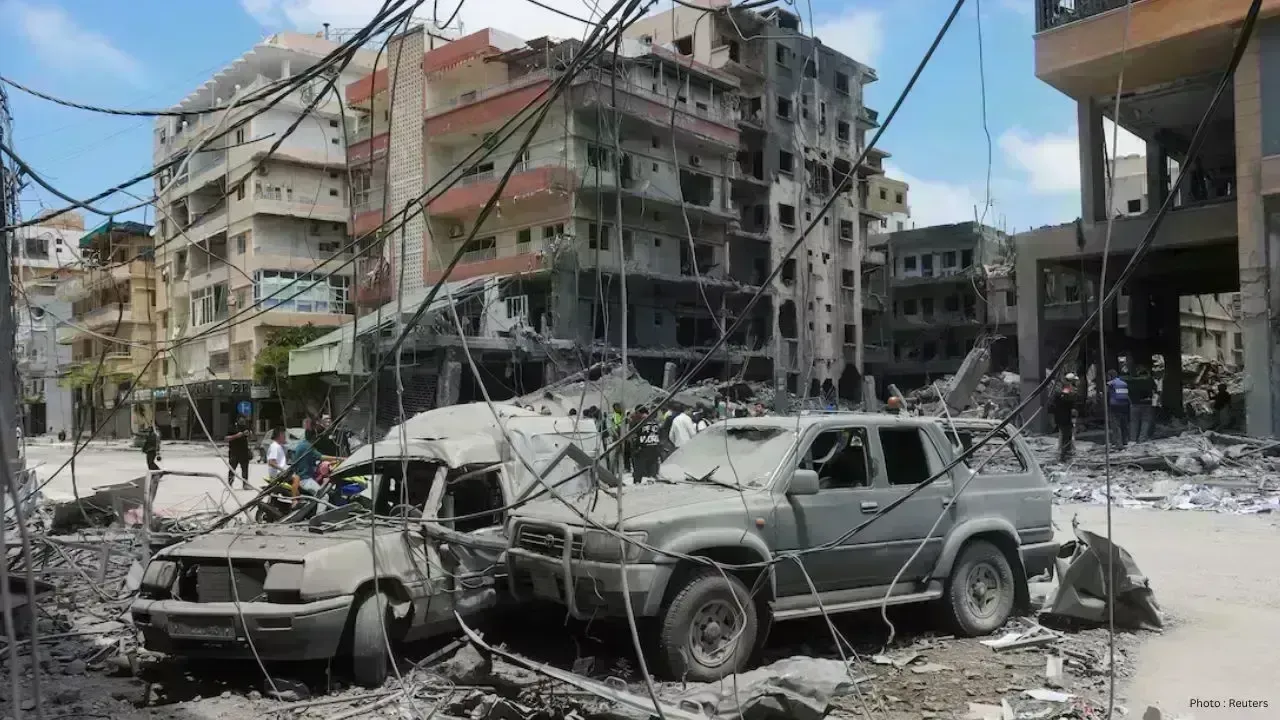
Iran's ongoing conflict has become one of the most important geopolitical issues affecting global markets, international trade, and regional security. Continued military operations, combined with slow diplomatic progress, have increased concerns among governments, investors, and businesses around the world. As uncertainty grows, oil markets are responding to the possibility of supply disruptions in one of the world's most critical energy-producing regions.
Oil prices moved higher after signs emerged that negotiations aimed at reducing hostilities were making little progress. Market participants remain concerned that prolonged instability could affect key shipping routes and energy infrastructure across the Gulf. Because the region supplies a large share of the world's crude oil, any threat to production or transportation quickly attracts international attention.
Diplomatic discussions continue behind the scenes, but major differences remain unresolved. Disagreements over security arrangements, economic restrictions, and regional influence have complicated efforts to reach a broader understanding. While officials have expressed support for dialogue, concrete steps toward a lasting agreement have yet to materialize.
Military activity in strategic locations has prompted several countries to strengthen security around important facilities. Airports, ports, energy installations, and transportation networks are being closely monitored as authorities work to protect critical infrastructure. These measures reflect the importance of maintaining stability in a region that plays a central role in global commerce.
Attention remains focused on major maritime routes used for international energy exports. Millions of barrels of crude oil pass through Gulf waterways every day, making uninterrupted access essential for global markets. Even the possibility of disruptions can trigger price increases and create uncertainty among traders and investors.
Higher oil prices often have consequences far beyond the energy sector. Transportation companies face rising fuel expenses, manufacturers encounter higher production costs, and consumers may ultimately pay more for goods and services. These economic effects can spread across national borders and influence growth in both developed and emerging economies.
Financial markets are closely tracking developments because geopolitical uncertainty can affect investment decisions. Businesses generally prefer stable conditions when planning expansion projects, making prolonged instability a concern for companies operating in multiple industries. Investors are therefore watching every major announcement related to negotiations and security developments.
Energy companies are also evaluating potential risks. Any interruption to production facilities or export routes could influence supply levels and market pricing. As a result, industry leaders remain alert to changes that could affect global energy flows.
Political leaders from various countries continue to emphasize the importance of diplomacy. Negotiations remain the most practical path toward reducing risks and preventing a wider regional crisis. Constructive dialogue can help address differences while creating opportunities for greater stability and cooperation.
Achieving meaningful progress will require compromise from all parties involved. Long-standing disputes and competing strategic interests have created challenges that cannot be resolved overnight. Building trust is often a gradual process, particularly when national security concerns are involved.
Communities across the region are also feeling the effects of uncertainty. Economic activity, investment plans, and business confidence can all be influenced by prolonged instability. Many people hope that diplomatic efforts will eventually lead to conditions that support long-term growth and development.
International observers recognize that developments involving Iran have implications that extend well beyond the Middle East. Global trade networks, commodity markets, and financial systems are closely connected, meaning events in one region can influence economic conditions elsewhere.
Analysts believe future developments will play an important role in determining market direction. Positive movement in negotiations could ease concerns and support greater stability, while additional military incidents may increase pressure on energy prices and investor sentiment.
Current circumstances highlight the close connection between geopolitical events and economic performance. Stability in major energy-producing regions remains essential for maintaining confidence in global markets and ensuring reliable access to critical resources.
A peaceful outcome would benefit both regional and international stakeholders by reducing uncertainty, supporting trade, and helping stabilize energy costs. Such an outcome would also create a stronger foundation for economic cooperation and future development.
For now, governments, businesses, and financial institutions continue to monitor the situation carefully. Decisions made in the coming weeks may influence not only the future of the conflict but also the direction of global energy markets and economic confidence around the world.







Achieve Radiant Skin with This Simple Rice Flour Treatment
Transform your skincare routine! Discover how a rice flour mix can restore your skin's glow without

Meta Unveils Subscription Plans for Instagram, Facebook, and WhatsApp
Meta introduces new subscription plans for users of Instagram, Facebook, and WhatsApp, featuring enh

Suvarna Joy on Education Leadership, Resilience, and Building Purpose Through Adversity in the UAE
Suvarna Joy shares her journey of education leadership, motherhood, faith, and resilience within the

Anticipated Dates for UAE Eid Al Adha 2026 Unveiled by Astronomical Experts
Experts predict Eid Al Adha 2026 in the UAE to start on May 27, prompting early holiday planning amo

DAE Achieves Remarkable Growth in Q1 2026 With Record Revenue
Dubai Aerospace Enterprise announces impressive financial results for Q1 2026, reflecting a surge in

Price Increase for Sony PS5 in Southeast Asia Effective May 1
Sony announces a price increase for the PS5 across Southeast Asia starting May 1, 2026, impacting ga




