Post by : Shakul
Indonesia has witnessed a notable decrease in unemployment rates, indicating positive developments for the nation’s job market and economic rebound. Yet, this encouraging trend comes with rising apprehension as a larger segment of the workforce transitions into the informal sector, which raises questions regarding job quality, income reliability, and worker protections. Analysts argue that this trend exposes persistent structural issues within Indonesia’s economy.
Recent discussions in the labor market reveal that many individuals are resorting to informal employment instead of securing stable jobs in the formal sector. This informal work encompasses temporary roles, freelance tasks, street vending, and small-scale trading, all of which frequently lack legal contracts and social safety nets, leading to precarious employment conditions. Economists suggest that this shift reflects the evolving dynamics of employment within Southeast Asia's largest economy.
The reduction in Indonesia’s unemployment rate has been received positively, signaling a rebound in business and economic operations following years of global economic unpredictability. Government initiatives designed to bolster investment, tourism, manufacturing, and digital sectors have fostered job growth across various industries. Nonetheless, specialists highlight that a significant portion of newly available positions is situated in lower-income, more vulnerable job classifications.
The proliferation of informal employment has emerged as a critical concern for labor specialists and policymakers in Indonesia. Individuals engaged in the informal economy often encounter fluctuating wages, inconsistent working hours, and scant access to healthcare and retirement plans. Additionally, many remain outside the national labor protection framework, leaving them financially susceptible during economic downturns or crises.
Economic analysts point to multiple factors driving the rise of informal employment in Indonesia. Rapid urbanization, increasing population, technological shifts, and evolving business models have engineered a labor market where flexible, temporary positions are proliferating faster than traditional employment opportunities. The growth of small enterprises and digital platform-based jobs has also surged significantly over recent years.
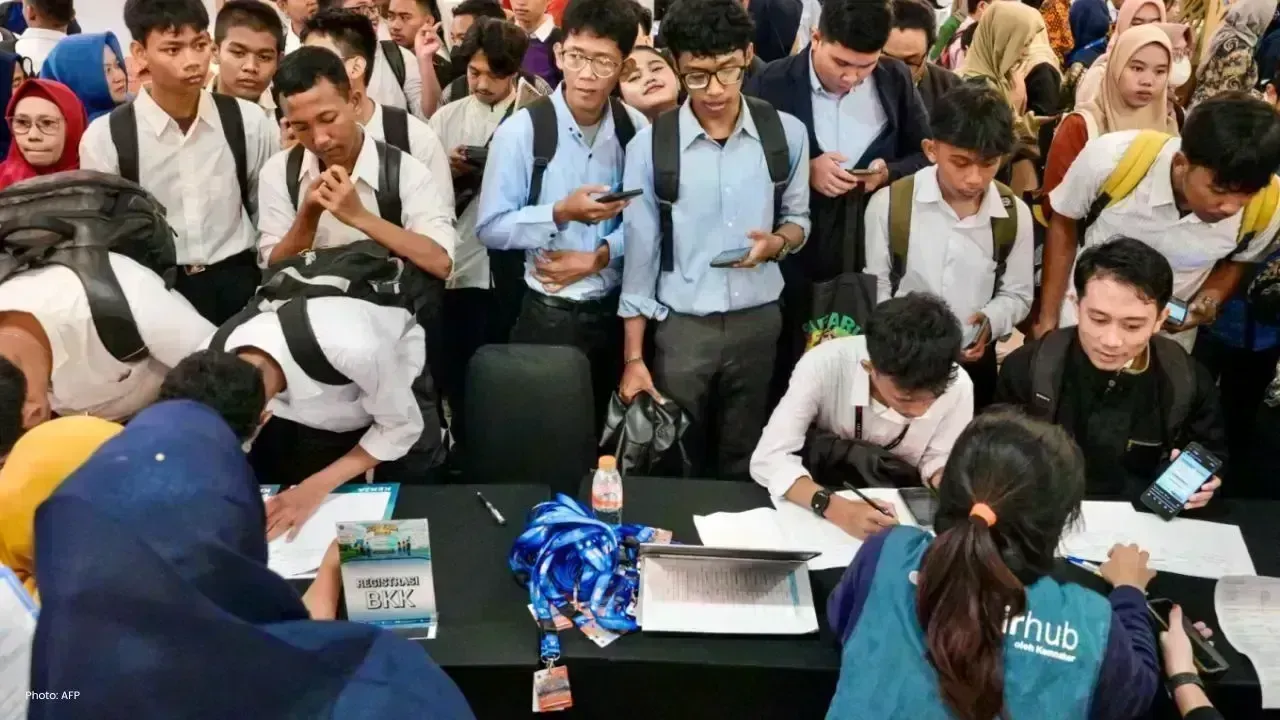
Among the groups most affected by informal employment trends are younger workers and first-time job seekers. Many graduates and job hunters find it challenging to land stable roles in the formal sector and instead opt for freelance assignments, gig positions, or self-employment to earn a living. Experts caution that this trend could hinder long-term income progression and career development.
Despite these challenges, Indonesia’s economy continues to demonstrate resilience compared to other nations in the region. Increased domestic consumption, infrastructure initiatives, and the rise of digital enterprises are fueling economic activity and job creation. Officials express hope that enhanced industrial investments and economic reforms will yield more formal employment options in the future.
Labor market analysts emphasize that enhancing job quality is as vital as reducing unemployment rates. They contend that economic growth must be paralleled by fair wages, legal safeguards, healthcare access, and social security benefits. Expanding vocational training and education is viewed as crucial for equipping workers with the skills necessary to pursue higher-quality job opportunities.
The recent employment dynamics in Indonesia illustrate both advancements and ongoing hurdles in the nation’s labor market. Although declining unemployment presents positive news for the economy, the escalating reliance on informal jobs underscores the necessity for robust labor policies and thoughtful long-term economic strategies. Policymakers are expected to remain focused on harmonizing economic growth with the establishment of sustainable and secure jobs for millions of Indonesian citizens.










Anticipated Dates for UAE Eid Al Adha 2026 Unveiled by Astronomical Experts
Experts predict Eid Al Adha 2026 in the UAE to start on May 27, prompting early holiday planning amo

DAE Achieves Remarkable Growth in Q1 2026 With Record Revenue
Dubai Aerospace Enterprise announces impressive financial results for Q1 2026, reflecting a surge in

Price Increase for Sony PS5 in Southeast Asia Effective May 1
Sony announces a price increase for the PS5 across Southeast Asia starting May 1, 2026, impacting ga

Potential ‘Super El Niño’ in 2026: Understanding the Climate Risks
Could a Super El Niño emerge in 2026? Discover its implications and potential global climate impacts

Global Energy Crisis Intensifies: Markets React to Oil Supply Challenges
Markets are on edge as oil disruptions escalate, influencing prices and economic stability. Explore

Must-See Tourist Spots in London You Can't Overlook
Explore London's essential attractions, from royal landmarks to vibrant markets, ensuring an unforge




