Post by : Anees Nasser
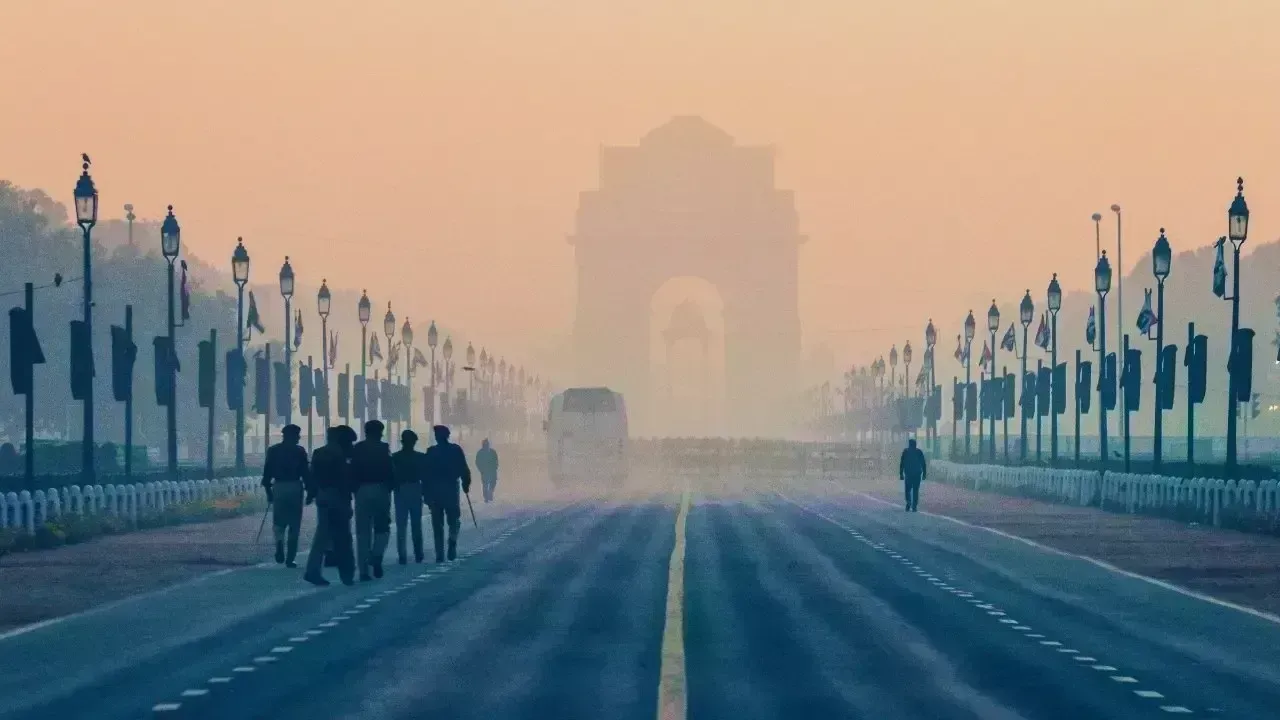
A severe cold wave currently engulfs India, significantly affecting the northern, central, eastern, and some southern states. Authorities and meteorological departments have issued warnings as temperatures plummet below seasonal norms.
Cold waves arise when polar air masses intrude into typically milder regions, leading to a dramatic and prolonged decrease in temperatures. This phenomenon poses serious health risks, disrupts daily activities, and strains public and private services.
This cold wave is intensified by thick morning fog, limited visibility on transport routes, and a harsh wind chill that lowers the apparent temperature. It is crucial for individuals and communities to understand the effects of cold stress and the necessary preventive measures to protect themselves.
Some groups face heightened vulnerability in cold conditions due to health, environmental, or social factors.
Infants lack fully developed systems for regulating body temperature, making proper clothing imperative when outdoors.
Older adults experience diminished circulation and temperature regulation, increasing their risk of cold-related illnesses.
Individuals suffering from respiratory issues, cardiovascular diseases, or diabetes are at greater risk as cold can aggravate their conditions.
Laborers and vendors who work outdoors for extended periods must be provided with shelter and suitable clothing to stay warm.
Cold stress can affect various bodily functions in subtle, yet significant ways.
The harsh, cold air can irritate airways, exacerbating conditions such as asthma and bronchitis.
Cold temperatures can constrict blood vessels, potentially leading to increased blood pressure and cardiovascular emergencies.
Frostbite can occur on exposed skin, particularly on extremities like fingers and toes.
Cold weather intensifies metabolic activity, which can lead to fatigue and an elevated risk of hypothermia.
Authorities recommend several strategies to remain safe during this cold wave.
Opt for multiple layers instead of one heavy garment; natural fibers like wool can enhance warmth.
Cover your head, hands, and feet adequately to minimize heat loss.
Ensure proper eating and hydration despite suppressed thirst in cold weather.
Stay indoors during extreme cold and utilize scarves to shield your face when outside.
Alcohol can create a misleading sense of warmth, while smoking reduces circulation.
Use safe heating methods and ventilate spaces to avoid harmful fume buildup.
Community vigilance can aid those at risk, including the elderly or those in poor health.
Be cautious during outdoor activities amidst the cold wave’s conditions.
Fog reduces visibility drastically; take precautions when driving.
Maintain safe distances on roads and use fog lights.
Keep essentials like blankets and water on hand for emergencies.
Wear layers, and carry extra warm clothing in case of sudden weather changes.
Caregivers must be attentive to children's comfort levels in the cold.
Frequent warm-up breaks are vital for children outdoors.
Ensure children's clothing is insulated and waterproof.
Be alert to signs like shivering or lethargy and act quickly if noticed.
Older adults may struggle to perceive cold, necessitating monitoring for warmth.
Ensure heating is adequate, particularly in bedrooms.
Healthier circulation can be supported by frequent, nutritious meals.
Be aware that some medications affect temperature regulation.
Changes in mental state could indicate dangerously low body temperature.
Awareness of critical conditions can facilitate timely responses.
Characterized by a drop in core body temperature; immediate action is necessary.
Affects exposed skin; rapid, careful rewarming is essential.
Cold air can worsen lung conditions; seek medical help for persistent symptoms.
Dietary habits and lifestyle choices can bolster resilience against the cold.
Warm meals such as soups sustain body temperature.
Gentle indoor exercises can help promote circulation and warmth.
Adequate rest is crucial for health and resilience.
Organizational support plays a crucial role during cold spells.
Shelters provide essential services for homeless populations during cold extremes.
Healthcare teams can deliver necessary support and information to affected areas.
Communication through various media ensures public awareness and preparedness.
Institutions must adopt measures to mitigate exposure risks.
Consider modifying schedules to prioritize safety and minimize cold exposure.
Proper heating procedures are essential for comfort and safety.
Disseminating information fosters a collective commitment to safety.
Cold waves impact health and daily living. However, informed action, community support, and awareness can mitigate risks and protect lives.
As India faces these low temperatures, it's vital for everyone to contribute to safeguarding health and well-being.
This article is for informational purposes only and does not substitute for professional medical advice. It is crucial to follow guidance from health authorities during changing weather conditions.









Anticipated Dates for UAE Eid Al Adha 2026 Unveiled by Astronomical Experts
Experts predict Eid Al Adha 2026 in the UAE to start on May 27, prompting early holiday planning amo

DAE Achieves Remarkable Growth in Q1 2026 With Record Revenue
Dubai Aerospace Enterprise announces impressive financial results for Q1 2026, reflecting a surge in

Price Increase for Sony PS5 in Southeast Asia Effective May 1
Sony announces a price increase for the PS5 across Southeast Asia starting May 1, 2026, impacting ga

Potential ‘Super El Niño’ in 2026: Understanding the Climate Risks
Could a Super El Niño emerge in 2026? Discover its implications and potential global climate impacts

Global Energy Crisis Intensifies: Markets React to Oil Supply Challenges
Markets are on edge as oil disruptions escalate, influencing prices and economic stability. Explore

Must-See Tourist Spots in London You Can't Overlook
Explore London's essential attractions, from royal landmarks to vibrant markets, ensuring an unforge




