Post by : Anees Nasser
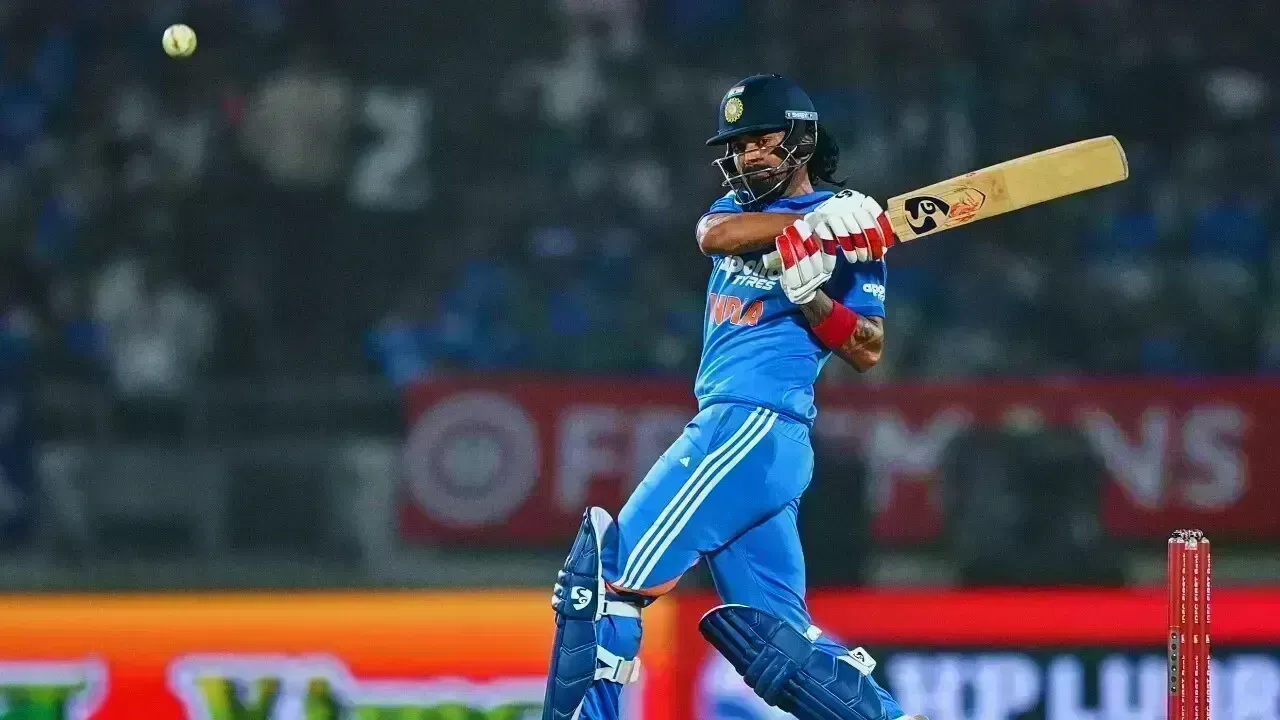
The inaugural One Day International between India and New Zealand carried significant implications for both teams. For India, it was a chance to assert home dominance and evaluate the squad's cohesion. Conversely, New Zealand entered the arena eager to challenge a formidable ODI opponent under local conditions.
With a lively crowd in attendance, this match promised competitive action. Although New Zealand fought valiantly, India managed to seize control at crucial turning points, taking an early lead in the series.
India won the toss and opted to bat first, relying on their batting strength on a pitch that appeared conducive for scoring runs at the outset. The surface offered consistent bounce along with some assistance for seam bowlers during the initial overs, while a slight slowing down was expected in the middle phase.
The weather remained stable throughout, and the lack of heavy dew allowed for a fair competition between bat and ball.
India's openers took a calculated approach, focusing on maintaining wicket preservation during the powerplay. Instead of aggressive shots, they concentrated on timing and rotating the strike, ensuring steady scoring without taking unnecessary risks.
This stable beginning helped India weather the early pressure applied by New Zealand's disciplined seamers.
Once a solid platform was established, India's middle order took charge of the innings. Batters demonstrated composure by placing their shots rather than opting for aerial risks, thus keeping the run rate healthy while minimizing danger.
Partnerships formed in this phase were vital, hindering New Zealand's ability to exert sustained pressure. Even when wickets fell, new batters adjusted quickly, ensuring a steady flow of runs.
The final phase of India's innings was crucial. With wickets at their disposal, India smartly accelerated during the last ten overs. Clean hitting and effective running added essential runs, pushing the score beyond what would be deemed competitive.
Contributions from the lower order highlighted India's batting depth, allowing them to set a target that would challenge New Zealand's batting side.
New Zealand commenced their chase with confidence, displaying intent against both pace and spin bowling. The openers scored boundaries early, keeping the required run rate manageable and momentarily swinging momentum in their favor.
This proactive approach indicated clear belief and established a solid foundation for the visitors.
The match swung decisively during the middle overs. India's bowlers tightened their lines and varied their pace effectively, with aggressive field placements backing them up. This pressure resulted in regular wickets, disrupting New Zealand's rhythm.
As partnerships struggled to develop, the increasing asking rate forced batters into riskier attempts.
Despite resistance from the lower middle order, New Zealand found it challenging to regain control. India's bowlers remained cool under pressure, executing their plans well and bringing the chase to a close efficiently.
Ultimately, New Zealand was bowled out short of the target, conceding the first ODI to India.
India's bowling performance was marked by discipline and adaptability. Seamers utilized the new ball effectively, while spinners took control during the middle overs by varying pace and flight. This collective effort ensured New Zealand never settled into a comfortable chase.
In contrast, New Zealand's bowlers displayed early promise but faltered with consistency in the latter stages of India’s innings. Missed lengths and loose deliveries during the death overs allowed India to gain crucial momentum.
Fielding played a subtle but pivotal role in the match outcome. India showcased sharpness and alertness, saving important runs and converting potential chances. Their high intensity throughout the match reflected strong communication and preparation on the field.
New Zealand was generally reliable but suffered costly lapses in a tightly contested battle.
India’s performance underscored the strength of their roster, with contributions arising from various players across departments. This equilibrium decreases the reliance on individual brilliance, promising well for the series ahead.
For New Zealand, the match highlighted the need to translate promising starts into substantial partnerships. Addressing middle-order consistency and performance under pressure will be crucial in forthcoming matches.
With a 1–0 lead, India maintains momentum heading into the next ODI, expected to retain a similar squad while refining execution. New Zealand, on the other hand, may look to adjust strategies, particularly during middle overs, to maintain competitiveness in the series.
The rivalry remains fierce, and future matches promise to deliver even closer encounters.
The first ODI between India and New Zealand showcased structured cricket and astute decision-making. India's ability to seize crucial phases with both bat and ball proved instrumental, securing a well-deserved victory and early series lead.
As the series progresses, the competition is set to intensify, with both teams sharpening tactics and striving for supremacy.
Disclaimer:
This article is intended solely for informational purposes and is based on match proceedings and overall assessments. It does not reflect any official statements from teams or boards.










Anticipated Dates for UAE Eid Al Adha 2026 Unveiled by Astronomical Experts
Experts predict Eid Al Adha 2026 in the UAE to start on May 27, prompting early holiday planning amo

DAE Achieves Remarkable Growth in Q1 2026 With Record Revenue
Dubai Aerospace Enterprise announces impressive financial results for Q1 2026, reflecting a surge in

Price Increase for Sony PS5 in Southeast Asia Effective May 1
Sony announces a price increase for the PS5 across Southeast Asia starting May 1, 2026, impacting ga

Potential ‘Super El Niño’ in 2026: Understanding the Climate Risks
Could a Super El Niño emerge in 2026? Discover its implications and potential global climate impacts

Global Energy Crisis Intensifies: Markets React to Oil Supply Challenges
Markets are on edge as oil disruptions escalate, influencing prices and economic stability. Explore

Must-See Tourist Spots in London You Can't Overlook
Explore London's essential attractions, from royal landmarks to vibrant markets, ensuring an unforge




