Post by : Saif Nasser
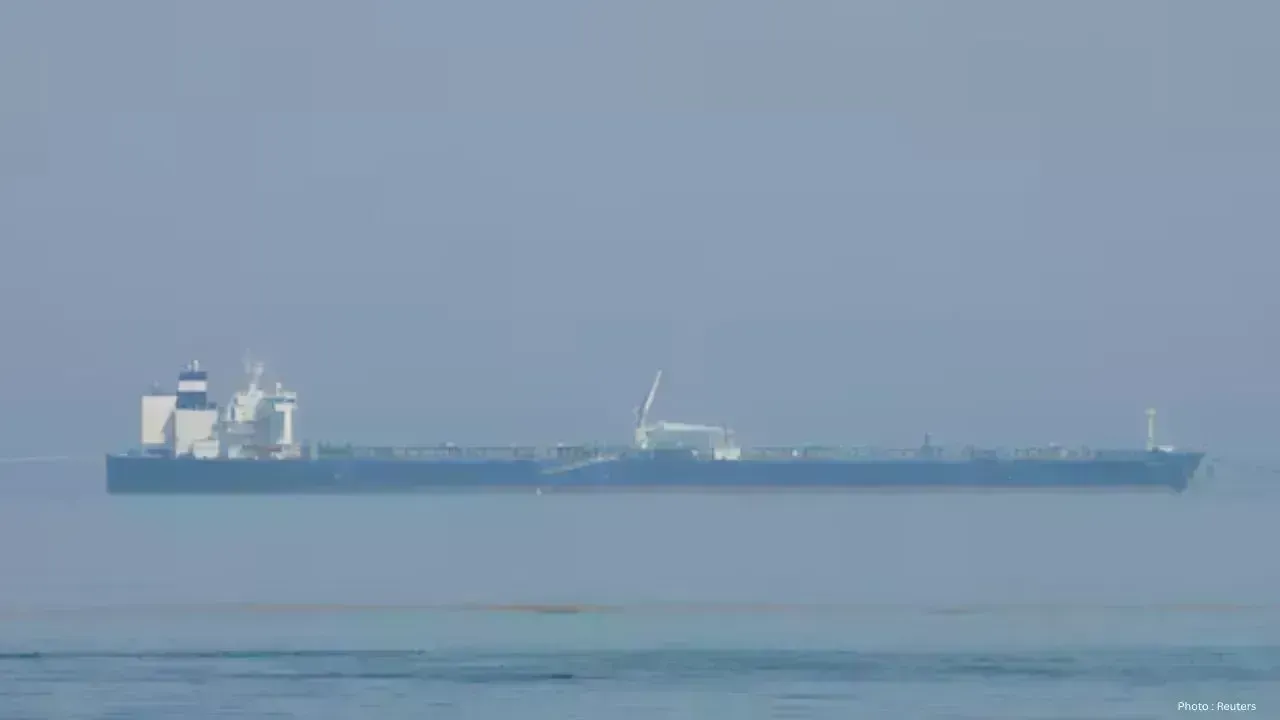
India has reportedly asked the United States to extend the waiver that allows continued purchases of Russian oil as the ongoing Iran war increases pressure on global energy markets. The request reflects growing concerns over fuel security, rising oil prices, and the economic impact of instability in West Asia.
The Iran conflict has created serious uncertainty in global oil markets. Rising tensions in the region have increased fears about disruptions to important shipping routes, especially the Strait of Hormuz, through which a large amount of the world’s oil supply passes every day.
India is one of the world’s largest importers of crude oil and depends heavily on foreign energy supplies to support its economy. Since sanctions were placed on Russia during the Ukraine war, India significantly increased imports of discounted Russian crude oil to reduce fuel costs and manage inflation.
The United States had earlier provided temporary waivers allowing some countries to continue purchasing Russian oil under specific conditions. These waivers were mainly intended to prevent major disruptions in global energy markets and avoid sudden increases in fuel prices worldwide.
Now, with the Iran war continuing to affect oil supplies and shipping security, India is reportedly seeking another extension of that relief. Indian officials are concerned that stricter restrictions on Russian oil could further increase fuel prices at a time when global markets are already unstable.
Energy security remains a major issue for India because fuel prices directly affect transportation, food costs, industrial production, and overall economic growth. Any sharp rise in oil prices can create inflation and place pressure on households and businesses across the country.
Russian oil has become an important part of India’s energy strategy in recent years. Lower-priced crude from Russia helped India control import costs while maintaining stable fuel supplies during periods of global uncertainty.
The situation also highlights India’s careful diplomatic balancing policy. India maintains strong strategic and economic relations with both the United States and Russia while trying to protect its own national interests.
At the same time, the United States faces a difficult situation as well. Some leaders support maintaining pressure on Russia through sanctions, while others believe stable global energy supplies are necessary to avoid a wider economic crisis during the Iran conflict.
The ongoing war in West Asia has already affected global trade, shipping costs, and energy prices. Experts warn that any further escalation could create additional problems for the world economy and increase inflation in many countries.
India has also been taking steps to strengthen energy security by exploring alternative supply options and preparing for possible disruptions in global oil markets.
The latest waiver request shows how deeply global politics and energy markets are connected. Conflicts in one region can quickly affect fuel prices, economic stability, and trade systems across the world.
For India, maintaining affordable and stable oil imports is not only an economic priority but also an important issue for national stability and growth.
The situation also demonstrates how energy diplomacy is becoming increasingly important in international relations. Countries are now making strategic decisions based not only on politics but also on long-term economic and energy needs.
As the Iran war continues creating uncertainty in global markets, India’s request for a waiver extension may become an important diplomatic issue between New Delhi and Washington in the coming weeks.





Anticipated Dates for UAE Eid Al Adha 2026 Unveiled by Astronomical Experts
Experts predict Eid Al Adha 2026 in the UAE to start on May 27, prompting early holiday planning amo

DAE Achieves Remarkable Growth in Q1 2026 With Record Revenue
Dubai Aerospace Enterprise announces impressive financial results for Q1 2026, reflecting a surge in

Price Increase for Sony PS5 in Southeast Asia Effective May 1
Sony announces a price increase for the PS5 across Southeast Asia starting May 1, 2026, impacting ga

Potential ‘Super El Niño’ in 2026: Understanding the Climate Risks
Could a Super El Niño emerge in 2026? Discover its implications and potential global climate impacts

Global Energy Crisis Intensifies: Markets React to Oil Supply Challenges
Markets are on edge as oil disruptions escalate, influencing prices and economic stability. Explore

Must-See Tourist Spots in London You Can't Overlook
Explore London's essential attractions, from royal landmarks to vibrant markets, ensuring an unforge




