Post by : Saif Nasser
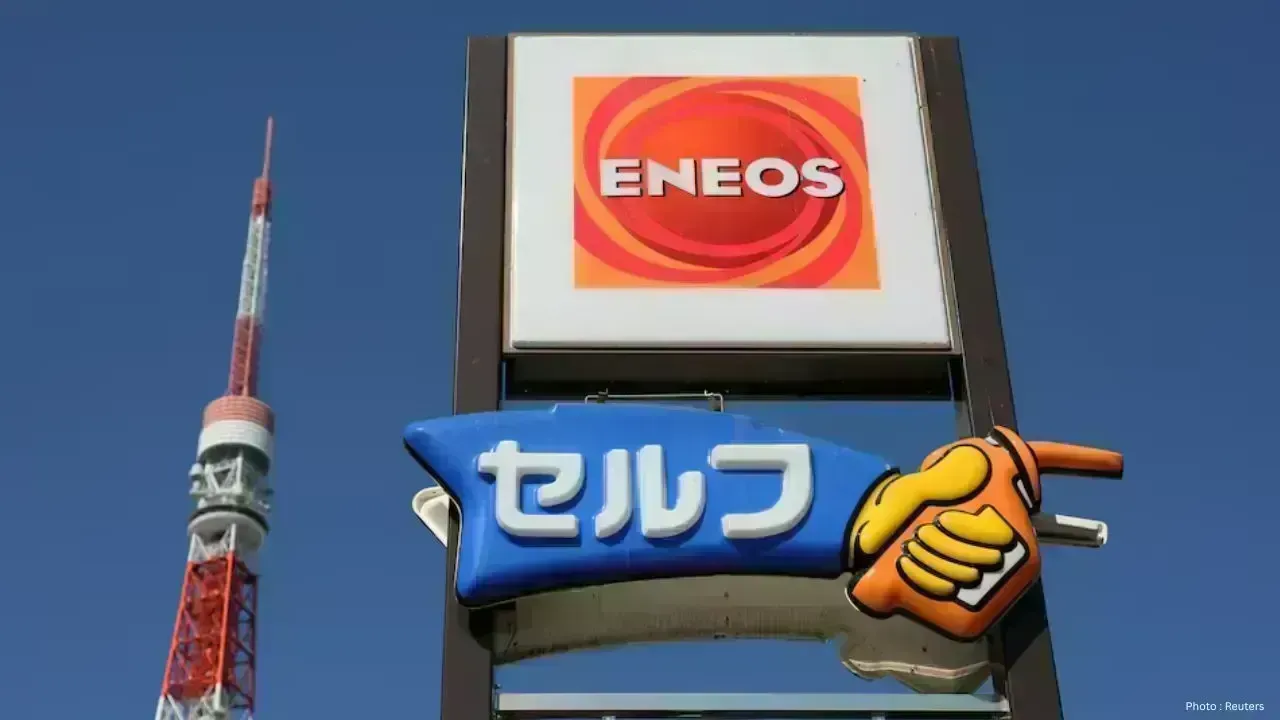
Japanese energy company ENEOS Holdings has agreed to buy several important Asian energy assets from Chevron in a deal worth $2.2 billion. The agreement includes Chevron’s 50% stake in the Singapore Refining Company, fuel storage terminals, lubricant businesses, and other downstream assets across Southeast Asia and Australia.
The deal is a major step for ENEOS as the company tries to grow outside Japan. Fuel demand in Japan has been falling for years because of a smaller population and the growing use of cleaner energy. To continue growing, ENEOS is now focusing on Asian markets where energy demand is still rising.
The Singapore Refining Company is one of the key parts of the agreement. The refinery can process around 290,000 barrels of crude oil every day and plays an important role in Asia’s fuel supply network. Singapore is also one of the world’s biggest oil trading hubs, making the investment highly valuable for ENEOS.
The purchase also includes Chevron’s Penjuru fuel terminal and lubricant facilities in Singapore. These assets help store, manage, and distribute fuel across the region. Industry experts say storage and trading facilities are becoming more important because they help companies react quickly during supply disruptions and price changes.
The agreement also gives ENEOS a stronger presence in countries such as Vietnam, Malaysia, the Philippines, and Australia. This wider regional network could help the company strengthen its supply chain and improve fuel distribution across Asia-Pacific markets.
For Chevron, the sale is part of a larger global strategy. The American oil company has been reducing some downstream operations in Asia and focusing more on other energy businesses. Many global energy firms are now changing their investment plans as the industry faces pressure from changing fuel demand, climate policies, and market competition.
The deal also reflects a larger shift in the global energy market. Western companies are becoming more selective with overseas investments, while Asian companies are expanding to secure long-term growth opportunities. Southeast Asia remains one of the few regions where fuel demand is expected to continue growing because of industrial development and increasing transportation needs.
The transaction is expected to close in 2027 after regulatory approvals are completed. The agreement highlights how Asian energy companies are preparing for the future by investing in major regional infrastructure while global energy markets continue to evolve.







Anticipated Dates for UAE Eid Al Adha 2026 Unveiled by Astronomical Experts
Experts predict Eid Al Adha 2026 in the UAE to start on May 27, prompting early holiday planning amo

DAE Achieves Remarkable Growth in Q1 2026 With Record Revenue
Dubai Aerospace Enterprise announces impressive financial results for Q1 2026, reflecting a surge in

Price Increase for Sony PS5 in Southeast Asia Effective May 1
Sony announces a price increase for the PS5 across Southeast Asia starting May 1, 2026, impacting ga

Potential ‘Super El Niño’ in 2026: Understanding the Climate Risks
Could a Super El Niño emerge in 2026? Discover its implications and potential global climate impacts

Global Energy Crisis Intensifies: Markets React to Oil Supply Challenges
Markets are on edge as oil disruptions escalate, influencing prices and economic stability. Explore

Must-See Tourist Spots in London You Can't Overlook
Explore London's essential attractions, from royal landmarks to vibrant markets, ensuring an unforge




