Post by : Shweta
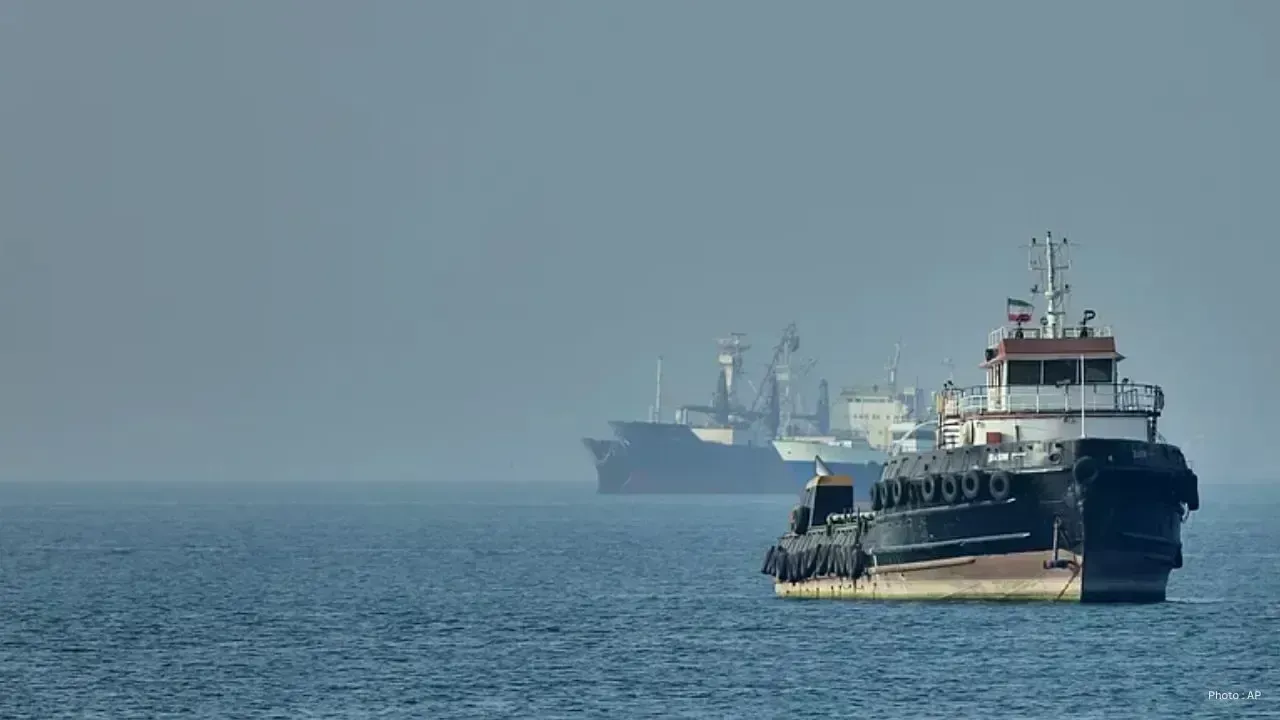
During a session at the United Nations, India expressed strong disapproval of the assaults on commercial shipping vessels within the Strait of Hormuz, labeling such acts as “unacceptable” and highlighting their danger to global commerce and maritime integrity. Indian delegates reiterated that safeguarding international shipping routes is vital for global economic stability and energy supplies.
At the UN meeting, Indian officials voiced worries about escalated tensions and security threats in the strategically significant Strait of Hormuz, renowned as one of the world’s busiest oil transport corridors. India emphasized that international law must uphold navigation freedom and protect commercial ships.
The Strait of Hormuz serves as a crucial maritime channel, linking major oil-producing nations in the Middle East to global markets. Every day, a significant portion of the world’s crude oil and energy exports transit through this narrow passage, and any disruption can directly influence global oil prices, supply chains, and trade.
India pointed out that attacks on civilian vessels not only disrupt regional stability but also instigate uncertainty within the global economy. Officials cautioned that ongoing violence in the area might escalate shipping costs, increase insurance premiums, and elevate energy prices, particularly affecting developing nations reliant on imported fuel.
Representatives from India urged for calm, dialogue, and peaceful resolutions to alleviate tensions in the Gulf. The importance of adhering to international maritime laws and refraining from actions that could heighten instability was stressed.
These remarks come amid escalating geopolitical tensions involving various nations in the Middle East. Recent years have seen numerous commercial vessels and oil tankers traversing the Strait of Hormuz subjected to drone assaults, seizures, and other security threats, concerning global powers and shipping companies alike.
Given that a considerable portion of India’s oil imports transit through the Strait of Hormuz, stability and the security of shipping channels are key components of New Delhi's foreign policy.
Experts assert that India’s statements at the UN mirror growing international apprehensions regarding maritime safety and the safeguarding of trade corridors. Analysts predict that nations reliant on Middle Eastern energy resources will persist in advocating for enhanced cooperation to protect commercial maritime activities in the region.
The United Nations, alongside various global powers, is anticipated to continue deliberations on securing maritime safety and regional stability while tensions in the Gulf remain under stringent scrutiny.








Meta Unveils Subscription Plans for Instagram, Facebook, and WhatsApp
Meta introduces new subscription plans for users of Instagram, Facebook, and WhatsApp, featuring enh

Suvarna Joy on Education Leadership, Resilience, and Building Purpose Through Adversity in the UAE
Suvarna Joy shares her journey of education leadership, motherhood, faith, and resilience within the

Anticipated Dates for UAE Eid Al Adha 2026 Unveiled by Astronomical Experts
Experts predict Eid Al Adha 2026 in the UAE to start on May 27, prompting early holiday planning amo

DAE Achieves Remarkable Growth in Q1 2026 With Record Revenue
Dubai Aerospace Enterprise announces impressive financial results for Q1 2026, reflecting a surge in

Price Increase for Sony PS5 in Southeast Asia Effective May 1
Sony announces a price increase for the PS5 across Southeast Asia starting May 1, 2026, impacting ga

Potential ‘Super El Niño’ in 2026: Understanding the Climate Risks
Could a Super El Niño emerge in 2026? Discover its implications and potential global climate impacts




