Post by : Sami Jeet
Walkability transcends mere preference; it has evolved into a critical measure of urban quality, public health, economic strength, and community wellness. Cities worldwide are evaluated not just by their architecture and infrastructure but by how effortlessly individuals can walk to jobs, schools, shops, parks, and essential services. At the heart of this is urban planning. The structure and layout of a city significantly influence whether walking feels secure, easy, and pleasurable—or stressful, hazardous, and inconvenient.
This article delves into the direct connections between urban planning and walkability, emphasizes its importance for contemporary cities, and identifies planning strategies that enhance or hinder the daily pedestrian experience.
Walkability is often mistakenly equated with simply having sidewalks. In truth, it is a comprehensive outcome shaped by various planning choices.
Safe and uninterrupted sidewalks
Proximity to essential services
Integrative land use
Pedestrian-friendly street designs
Measures to calm traffic
Public green spaces
Access for all demographics
Walkability isn't merely a coincidence; it's a product of deliberate urban design.
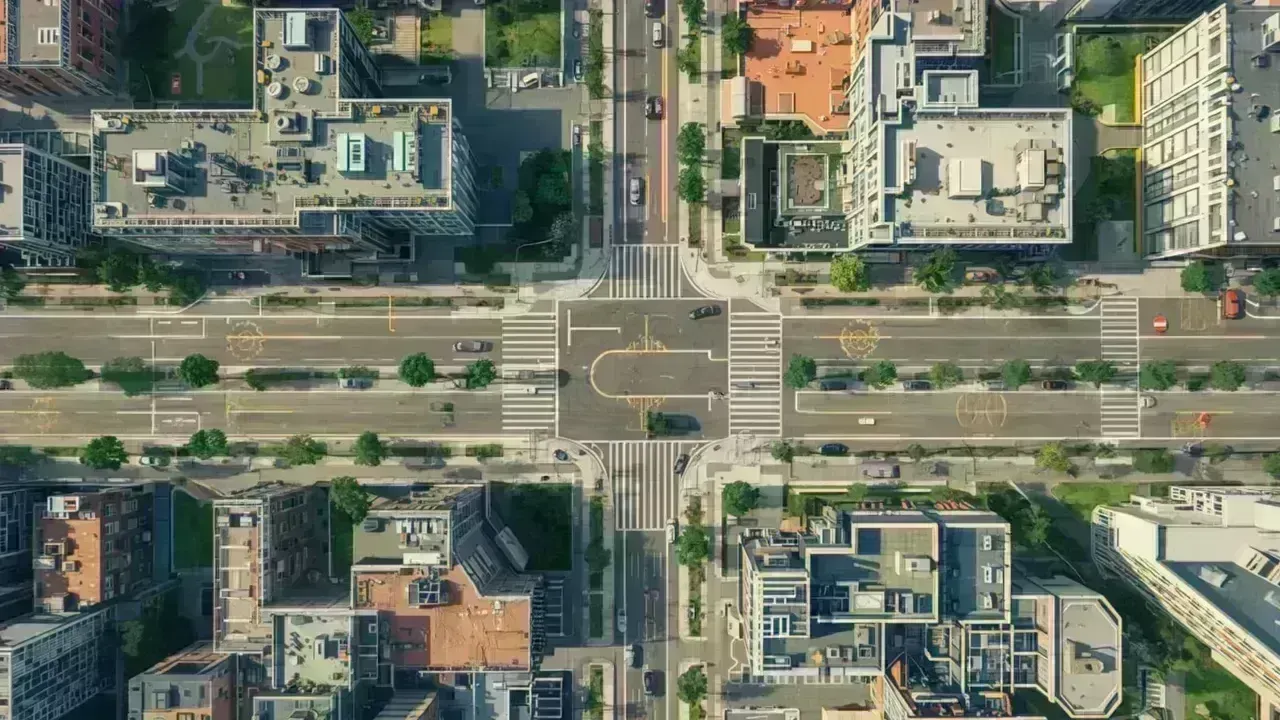
The fundamental design of a city dictates the distances people must cover to fulfill daily needs.
High-density cities enable residents to easily access shops, schools, workplaces, and public transport. In contrast, sprawling cities compel reliance on cars due to excessive distances.
Grid layouts foster multiple pathways, shorter journeys, and improved navigation. Isolated designs like gated communities or dead ends hinder pedestrian access.
Planning that prioritizes closeness over separation naturally promotes walking.
Land zoning is a powerful factor in the dynamics of walkability.
Urban areas that amalgamate residential, commercial, educational, and recreational facilities minimize travel distances. Residents can walk to:
Grocery stores
Cafés
Healthcare clinics
Schools
Parks
Separating residential areas from workplaces and commercial zones makes walking impractical, nudging residents towards car reliance even for short trips.
A walkable city sees land as multi-functional, not isolated.
The manner in which streets are designed can enhance or detract from the walking experience.
Wider roads typically promote higher vehicle speeds, which can deter pedestrians. Narrower streets equipped with calming measures foster a safer walking environment.
Thoughtfully designed urban areas include:
Frequent pedestrian crossings
Raised crosswalks
Sufficiently timed traffic signals
Refuge islands for wide roads
Without these provisions, walking can become perilous, particularly for children and elderly individuals.
Interrupted or obstructed pathways push walkers onto the roadway. Continuous, well-maintained sidewalks are a direct product of meticulous urban planning.
The link between walkability and public transit is profound.
Individuals must walk to reach bus stops, metro stations, and other transit facilities. Insufficient pedestrian access can diminish public transit use.
Cities that design dense mixed-use regions around transit points foster waking-based mobility systems.
Inadequate walkable access undermines the utility of public transport.
Walkability relies not solely on tangible safety but also on the perception of safety.
Well-lit areas, unobstructed sightlines, and active storefronts enhance feelings of security among pedestrians.
Urban environments with cafés, shops, and residential windows facing the streets bolster natural surveillance, lowering crime likelihood.
Large vacant lots, parking-heavy zones, and badly planned underpasses can deter walking, especially at night.
Effective urban design that encourages human presence enhances walkability more than law enforcement can achieve.
Green infrastructure significantly contributes to walkability.
Tree-lined pathways diminish heat, promoting a comfortable walking experience in hotter weather.
Parks should serve not only as destinations but also as walking paths linking different communities.
Green spaces act as buffers between busy roads and pedestrian areas, reducing noise and improving air quality.
Cities overlooking green planning often see decreased pedestrian activity, even with available walkways.
Walkability must cater to all, not only the able-bodied populace.
Incorporating ramps instead of steps
Tactile paving for the visually impaired
Even surfaces suitable for wheelchairs and strollers
Rest areas with seating
With cities growing older, ensuring walkability becomes essential for independence and access to healthcare.
Inclusive designs can transform walking from a luxury to a fundamental urban right.
Walkability substantially influences local economies.
Pedestrian-friendly regions can enhance foot traffic, benefiting local enterprises.
Walkable neighborhoods often see higher demand and steadier property values.
Cities designed for pedestrians experience reduced costs for road expansions and parking solutions.
Investing in walkability acts as an economic booster.
Urban design influences public health significantly, often more than healthcare expenses.
Walkable cities embed exercise into everyday life, negating the need for gyms.
Increased walking is associated with reduced rates of obesity, diabetes, and heart issues.
Walkable settings alleviate stress, enhance mood, and encourage social interactions.
Urban design indirectly influences overall health outcomes.
Walkability is vital for resilient cities in addressing climate challenges.
More walking leads to fewer short automobile trips, which are major sources of pollution.
Walkable cities exhibit lower overall energy consumption.
Shaded sidewalks, permeable surfaces, and green corridors enhance urban resilience to heat.
To meet climate objectives, cities must embrace walkability-centered planning.
Even well-funded urban projects can fall victim to avoidable design errors.
Oversized roads, flyovers, and excess parking diminish pedestrian access.
Expansive blocks, broad intersections, and extended crossings can dissuade walking.
Faulty pavements, flooding, and encroachments gradually erode walkability.
Declining walkability stems from misaligned priorities, not from insufficient funds.
City walkability improves with long-term, strategic planning rather than short electoral cycles.
Analyzing pedestrian data enhances sidewalk design and crossings.
Residents often possess deeper insights into barriers to walking than planners do.
Modest changes, such as extending curbs, adding seating, or improving lighting, yield significant effects.
Successful walkable cities recognize walking as integral infrastructure, not merely an afterthought.
Walkability indicates a city's values:
Prioritizing human life over speed
Valuing health over convenience
Cherishing community over isolation
Advocating for sustainability over immediate gains
Effective city planning fosters environments where people prefer to live rather than just pass through.
This article serves solely for informational and educational purposes. Urban planning results may vary based on geographical context, governance, population density, and local regulations. The content does not comprise professional planning, legal, or policy guidance. Consulting qualified urban planning or policy experts is advisable for project-specific insight.









Anticipated Dates for UAE Eid Al Adha 2026 Unveiled by Astronomical Experts
Experts predict Eid Al Adha 2026 in the UAE to start on May 27, prompting early holiday planning amo

DAE Achieves Remarkable Growth in Q1 2026 With Record Revenue
Dubai Aerospace Enterprise announces impressive financial results for Q1 2026, reflecting a surge in

Price Increase for Sony PS5 in Southeast Asia Effective May 1
Sony announces a price increase for the PS5 across Southeast Asia starting May 1, 2026, impacting ga

Potential ‘Super El Niño’ in 2026: Understanding the Climate Risks
Could a Super El Niño emerge in 2026? Discover its implications and potential global climate impacts

Global Energy Crisis Intensifies: Markets React to Oil Supply Challenges
Markets are on edge as oil disruptions escalate, influencing prices and economic stability. Explore

Must-See Tourist Spots in London You Can't Overlook
Explore London's essential attractions, from royal landmarks to vibrant markets, ensuring an unforge




