Post by : Sami Jeet
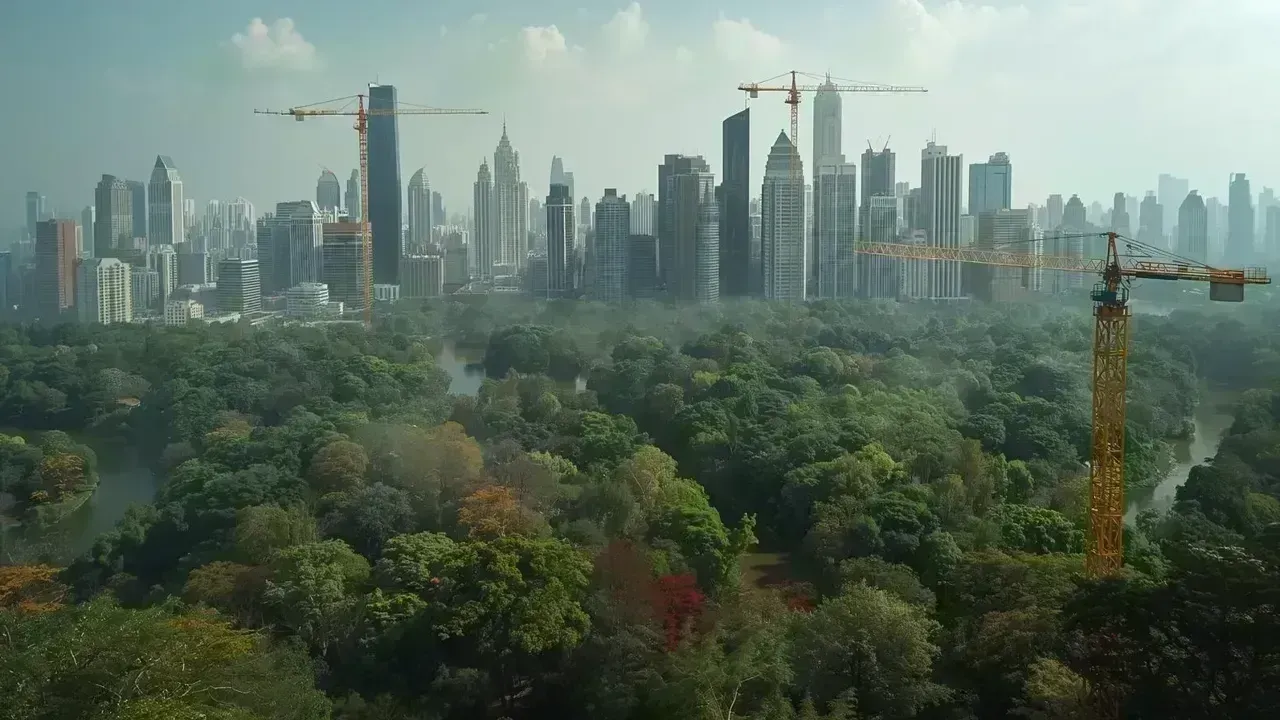
Urban expansion often brings to mind advancements in infrastructure and economy. Yet, hidden beneath this progress is a significant issue: the disruption of local ecosystems. As cities extend their boundaries in 2026, the natural environment is often altered or destroyed, impacting fauna, flora, water systems, and human well-being.
This article delves into how urban expansion affects local ecosystems, why these changes are crucial to understand, and the role sustainable planning can play in mitigating environmental damage.
A local ecosystem consists of interconnected living organisms—plants, animals, and microorganisms—alongside non-living elements such as soil, water, and air in a defined area.
They provide vital services, including:
Clean air and water
Climate regulation
Flood control
Pollination
Soil fertility
Disrupting this balance has far-reaching effects that go beyond ecosystem loss.
Urbanization often starts with changes in land use.
Conversion of forests, wetlands, and farmland for roads, homes, and commercial areas has dire repercussions, which include:
Loss of indigenous plant life
Destruction of habitats for wildlife
Decreased biodiversity
Soil degradation
Once natural habitats are altered, ecosystems face significant recovery challenges.
Urban growth often leads not only to habitat removal but also to fragmentation of those habitats.
Loss of animal migration pathways
Disruption of breeding cycles
Reduced genetic diversity
Increased risk of extinction
Wildlife that enters urban environments may encounter conflicts with humans, resulting in harm or population losses.
Urban sprawl tends to benefit only a limited number of adaptable species, while many are eliminated.
Decline in native flora
Reduction in pollinators like bees and butterflies
Disappearance of birds, amphibians, and small mammals
Low biodiversity diminishes ecosystem resilience against climate change and disease.
Urbanization greatly modifies natural water cycles.
Wetlands are drained
Natural streams are covered or rerouted
Increased runoff from paved surfaces
The result is flooding, water pollution, and a drop in groundwater recharge.
Polluted runoff introduces chemicals, oils, and waste into aquatic environments, damaging both fish and plant life.
Cities create urban heat islands, with temperatures surpassing those in rural landscapes.
Heat absorption by concrete and asphalt
Insufficient tree cover hinders cooling
Increased energy consumption generates more heat
Elevated temps put stress on plants and animals, alter breeding patterns, and degrade air quality.
Cities produce substantial pollution.
Acid rain harms soil and plant life
Pollution affects photosynthesis in plants
Animal respiratory health suffers
Air quality issues undermine ecosystem health and biodiversity.
Healthy soil is vital for ecosystems.
Soil sealing inhibits water absorption
Construction compresses soil structure
Chemical pollution leads to infertility
Poor soil health directly impacts plant growth and food chains.
Urban settings induce constant noise and artificial light.
Disrupted animal communication
Altered patterns in sleep and migration
Increased stress and lower reproduction rates
Many species depend on natural darkness and sound cues for survival.
Cities inadvertently facilitate invasive species.
Disturbed environments favor aggressive species
Native plants have less competition
Human activities spread non-native species
Invasive species can outcompete indigenous flora and fauna, destabilizing ecosystems.
The ramifications of environmental degradation extend to human populations.
Increased flooding and heat events
Degraded air and water quality
Loss of accessible natural spaces
Elevated health risks
Healthy ecosystems serve as protective buffers for urban environments.
Urban expansion does not inherently necessitate ecosystem destruction.
Safeguarding green corridors
Protecting wetlands and forests
Integrating parks and urban greenery
Controlling urban sprawl
Sustainable practices harmonize development with ecological stewardship.
Green infrastructure imitates natural functionalities.
Green roofs and vertical gardens
Permeable paving systems
Urban wetland areas
Rain gardens
These strategies minimize runoff, cool areas, and enhance biodiversity.
Incorporating native plants boosts local ecosystems.
Require less irrigation
Support local fauna
Enhance soil vitality
Increase resilience to climate variations
Native flora helps restore ecological integrity even in urban territories.
Active community involvement enhances urban ecosystems.
Promote green initiatives
Minimize waste and pollution
Safeguard local green areas
Advocate for sustainable growth
Small individual actions can collectively produce significant outcomes.
By 2026, cities will accommodate more than half the world’s population. The goal should not be to halt development but to reimagine its approach.
Cities that prioritize ecosystems will reap:
Enhanced resilience against climate change
Improved public health outcomes
Economic viability
Elevated living standards
Urban development and biodiversity can coexist in harmony.
While urbanization reshapes our world, its long-term viability is contingent on adherence to ecological boundaries. When ecosystems fail, cities face fragility. Conversely, thriving ecosystems foster sustainable urban environments.
Protecting local ecosystems isn't merely an environmental concern; it is a critical imperative for future survival.
This article serves general informational and educational purposes. The environmental repercussions of urban development differ based on location, planning protocols, and regulatory practices. It is not a substitute for professional environmental, urban planning, or policy advice. Readers are encouraged to consult qualified experts for tailored environmental evaluations or planning decisions.








Anticipated Dates for UAE Eid Al Adha 2026 Unveiled by Astronomical Experts
Experts predict Eid Al Adha 2026 in the UAE to start on May 27, prompting early holiday planning amo

DAE Achieves Remarkable Growth in Q1 2026 With Record Revenue
Dubai Aerospace Enterprise announces impressive financial results for Q1 2026, reflecting a surge in

Price Increase for Sony PS5 in Southeast Asia Effective May 1
Sony announces a price increase for the PS5 across Southeast Asia starting May 1, 2026, impacting ga

Potential ‘Super El Niño’ in 2026: Understanding the Climate Risks
Could a Super El Niño emerge in 2026? Discover its implications and potential global climate impacts

Global Energy Crisis Intensifies: Markets React to Oil Supply Challenges
Markets are on edge as oil disruptions escalate, influencing prices and economic stability. Explore

Must-See Tourist Spots in London You Can't Overlook
Explore London's essential attractions, from royal landmarks to vibrant markets, ensuring an unforge




