Post by : Anees Nasser
Geopolitical issues once considered the realm of experts are now palpable in our everyday lives. A distant conflict can spike local fuel prices, while trade disputes ripple through supply chains, affecting the costs of essentials like food and smartphones.
In recent times, we've entered an era where global politics intersect significantly with personal lives. Events like conflicts, sanctions, and diplomatic tensions are shaping consumer choices, emotional health, and economic stability, blurring the boundaries between international dynamics and individual experiences.
The immediate consequences of geopolitical tensions are evident in increasing living expenses. Prices for energy, food, and transport are highly susceptible to global turmoil.
When strife disrupts oil-rich areas or significant shipping lanes, fuel prices surge. These hikes trigger a chain reaction throughout the economy, inflating the prices of essentials before government interventions kick in.
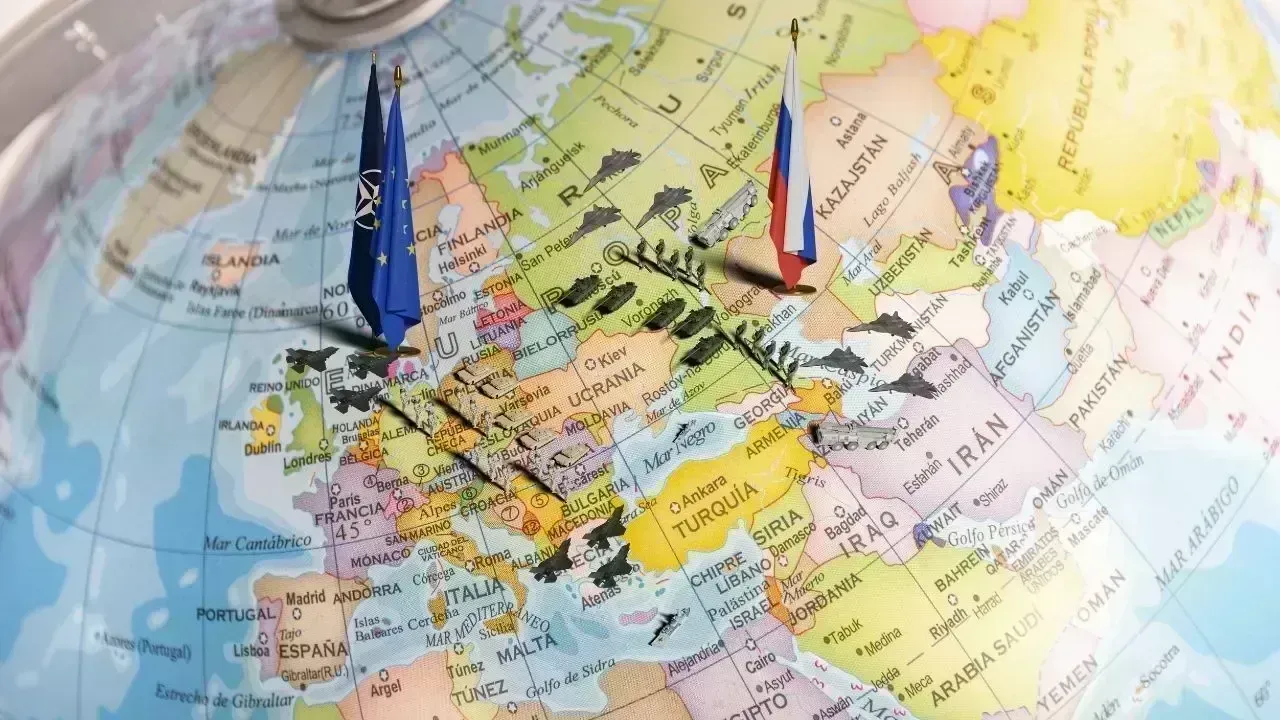
Tensions in regions like the Middle East or Eastern Europe show how easily stability can be undermined—often, the mere threat of escalation brings market instability.
Geopolitical unrest has taken a toll on food security, with modern food systems reliant on global trade routes for fertilizers and grains. Disruptions lead to shortages and sharp price increases.
The conflict in Ukraine, for example, highlighted how reliant global markets are on specific agricultural nations. Interruptions in critical supplies trickle down to consumers everywhere, dramatically increasing prices and altering diets.
Many families face budget constraints, while low-income households can quickly spiral into food insecurity.
Geopolitical tensions also affect job markets and business viability. Industries tied to global networks are particularly at risk.
When sanctions arise or trade relations sour, companies may encounter restrictions on markets and resources. This could stunt hiring, lead to layoffs, or delay expansion plans, impacting even those firms with no direct ties to conflict zones.
Workers feel the consequences through job insecurity and stagnant wages, as planning for future careers becomes increasingly difficult in the face of global uncertainties.
Global travel has grown more complicated and costly amid rising geopolitical tensions. Factors like airspace closures and security issues significantly impact flight routes and fares.
Economies reliant on tourism can see swift repercussions from global events that deter travel, forcing families to rethink vacations, students to reconsider studying abroad, and professionals facing challenges with international postings.
Bureaucratic barriers, border policies, and international relations increasingly dictate mobility and travel costs, making what was once routine feel precarious.
Energy security has taken on new significance as conflicts involving oil-producing regions play out, placing energy at the center of political discourse.
Consumers face escalating electricity and fuel costs, as businesses pass on rising operational expenses. In colder climates, sudden spikes in energy prices can impact survivability more than mere financial strain.
This reality is also driving conversations about renewable energy solutions, but the transition period means continued consumer vulnerability.
Beyond financial implications, geopolitical tensions carry psychological burdens. Constant news of conflicts breeds a background anxiety that permeates mental wellness.
Concerns over future employment, savings, safety, and the world we bequeath to future generations foster stress, particularly among youths who have faced successive crises over the years.
This persistent unease contributes to feelings of emotional exhaustion and helplessness.
Geopolitical disputes are also transforming the digital sphere, as technology restrictions and cybersecurity issues affect everyday online experiences.
From worrying about data security to the disruption of familiar apps, everyday users now feel the implications of global tech rivalries directly when policy changes occur, or services become constrained.
Increased security risks related to geopolitical tensions have turned digital safety into a common concern, expanding beyond merely corporate interests.
The current geopolitical landscape has made daily life intensely political. Choices regarding purchases, travel, investments, and even media consumption are increasingly influenced by global tensions.
People find themselves engaging with geopolitical issues—worrying about wars, economic sanctions, and alliances—often not by choice but because these factors shape their lived experiences.
The perception that global events are remote has vanished, replaced by the realization of our interconnected existence.
Although geopolitical tensions fluctuate, their consequences linger. Markets gradually adapt and supply chains take time to recover, while trust is difficult to rebuild once fractured.
For many, navigating this landscape requires increased financial prudence, emotional adaptability, and awareness of international developments. While individuals may feel powerless over global politics, they must learn to cope with its ramifications.
In essence, modern life is about maneuvering through uncertainties, finding hope and stability in an unpredictable world.
Geopolitical tensions are no longer distant disturbances confined to discussions in elite circles; they profoundly shape grocery prices, career stability, and mental health. The global landscape has turned personal.
As we navigate a world marked by uneven power dynamics and unresolved disputes, the key challenge lies not solely in staying informed but in remaining adaptable. Understanding how global issues impact daily life is critical for thriving in today's complex environment.
Disclaimer:
This article is meant for informational purposes only. Geopolitical developments are intricate and dynamic, and their effects may differ across communities.





Anticipated Dates for UAE Eid Al Adha 2026 Unveiled by Astronomical Experts
Experts predict Eid Al Adha 2026 in the UAE to start on May 27, prompting early holiday planning amo

DAE Achieves Remarkable Growth in Q1 2026 With Record Revenue
Dubai Aerospace Enterprise announces impressive financial results for Q1 2026, reflecting a surge in

Price Increase for Sony PS5 in Southeast Asia Effective May 1
Sony announces a price increase for the PS5 across Southeast Asia starting May 1, 2026, impacting ga

Potential ‘Super El Niño’ in 2026: Understanding the Climate Risks
Could a Super El Niño emerge in 2026? Discover its implications and potential global climate impacts

Global Energy Crisis Intensifies: Markets React to Oil Supply Challenges
Markets are on edge as oil disruptions escalate, influencing prices and economic stability. Explore

Must-See Tourist Spots in London You Can't Overlook
Explore London's essential attractions, from royal landmarks to vibrant markets, ensuring an unforge




