Post by : Anees Nasser
The influence of technology on employment is not new, yet the unprecedented acceleration of Artificial Intelligence is surprising labour markets. Earlier automation tended to impact manual jobs predominantly, whereas AI is now carrying out tasks associated with cognitive roles. Activities previously viewed as secure—such as data analysis, content writing, customer support, and even medical assessments—are now increasingly automated.
This transition is not slow. Numerous businesses are integrating AI solutions in mere months, resulting in abrupt alterations in recruitment strategies, job functions, and organisational structures. Employees are facing uncertainties that expand beyond mere industry boundaries.
The impact of AI is varied across sectors, with some feeling the effects more acutely than others.
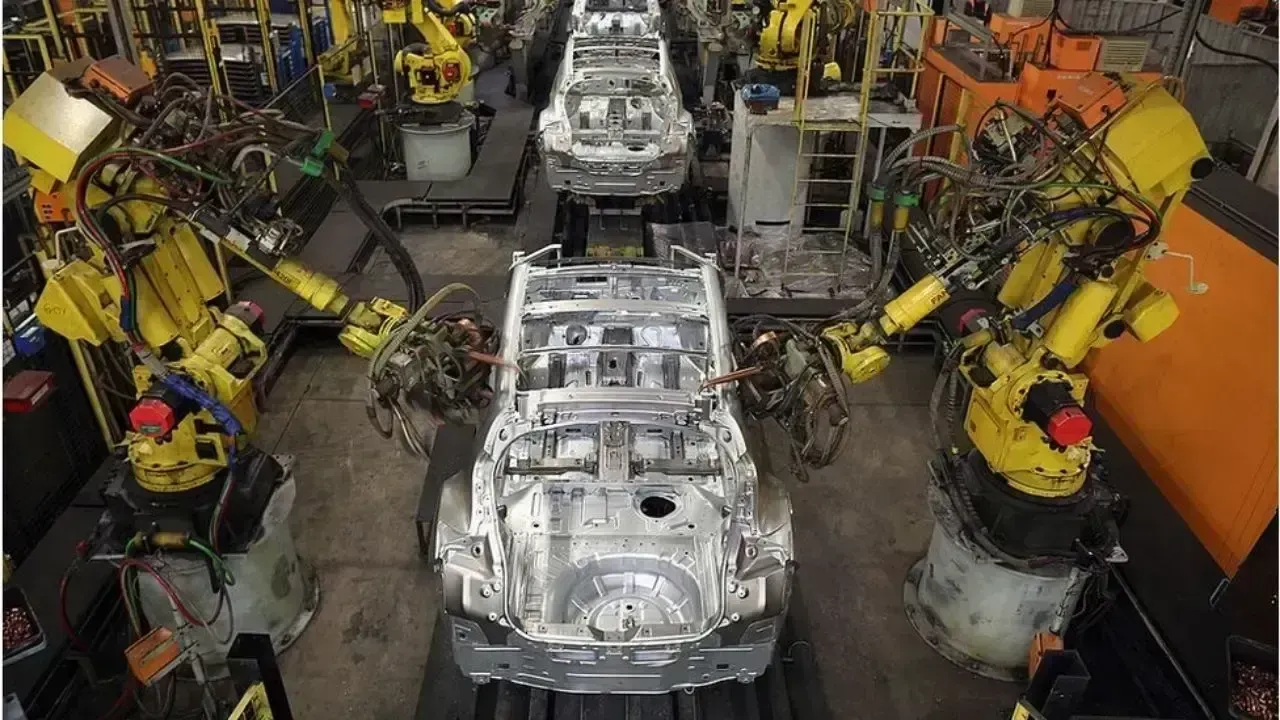
Positions that are routine and monotonous are the first to be automated. Data entry, basic accounting tasks, telemarketing, and administrative roles are becoming increasingly mechanised. In manufacturing, AI-driven robots are taking over repetitive assembly lines, while predictive analytics diminish the necessity for manual quality assessments.
White-collar jobs are also facing threats. AI now assists in drafting reports, reviewing contracts, generating marketing materials, and aiding in legal research. This evolution challenges the longstanding notion that education alone ensures job security.
While headlines often focus on job losses, an important trend is the transformation of existing roles. Numerous positions aren't vanishing; they're evolving.
Workers will increasingly need to collaborate with AI systems, overseeing outputs, making critical decisions, and managing complex exceptions. This shift alters the skills required, rendering technical competencies, adaptability, and critical thinking more essential than ever.
However, this transition is inconsistent. Workers lacking access to training and digital resources risk becoming obsolete, exacerbating existing disparities within the job market.
The disruption caused by AI is giving rise to new employment categories. Positions related to AI development, data management, cybersecurity, and system supervision are rapidly increasing. There is rising demand for experts who can train AI models, navigate ethical challenges, and decipher algorithmic outcomes.
Yet, the speed of creating new roles often lags behind the speed at which jobs are eliminated. A notable skills gap persists, as newcomers typically require specialised knowledge that those displaced might lack. This necessity for reskilling is urgent and complicated, particularly for employees in mid-career stages.
AI's influence extends beyond employment figures, also reshaping wage structures. Highly skilled employees able to leverage AI often enjoy productivity shocks and elevated remuneration. Conversely, those in automatable jobs face tumbling wages as supply surpasses demand.
In some sectors, businesses increasingly turn to gig or contract employment arrangements, leading to reduced job security. This shift raises concerns regarding job quality, employee benefits, and long-term security, particularly in regions with frail social safety nets.
The ramifications of AI on job markets are inconsistently felt across regions. Advanced economies equipped with robust digital infrastructures are better able to absorb AI disruptions through innovation and retraining efforts. In contrast, developing nations that depend on labour-intensive sectors face heightened vulnerability.
Countries such as India experience a dual threat. AI jeopardizes low-entry positions while simultaneously offering avenues in technology-focused sectors. The range of outcomes is heavily influenced by educational frameworks, policy responses, and access to digital skills.
A major structural obstacle lies in the chasm between education and employment. Many education systems were crafted for stable career paths, not for the constant upheaval brought about by contemporary technology.
AI necessitates continuous learning, yet formal educational institutions often rely on static curricula. This discrepancy leaves graduates inadequately prepared and companies frustrated. Lifelong learning is no longer an option; however, access to effective reskilling is not universally available.
Beyond economic impacts, the disruption linked to AI carries a significant human cost. Job insecurity affects mental wellness, self-esteem, and future planning. Workers are not only anxious about unemployment but also about their potential irrelevance.
This anxiety is especially prevalent among younger professionals entering turbulent job markets and older individuals worried about their adaptability. The emotional ramifications of technological disruption are becoming a pressing concern within workplaces.
Governments are grappling to keep pace with the rapid technological changes. Labour regulations, social security frameworks, and training initiatives weren't designed to accommodate AI-centric disruption.
Current policy focuses on reskilling programs, ethical usage of AI, and employment protections. However, the execution of these measures often trails behind the swift reality. Without synchronised efforts, the divide between technological advancements and societal readiness will continue to expand.
This remains a pivotal question in current discussions. Traditionally, technology has fostered greater jobs over time, yet transitions have frequently been tumultuous. AI may adhere to this historical trajectory, yet its rapid evolution complicates adjustments.
The crucial variation lies in timing. If job creation and reskilling fall significantly behind job loss, societies might confront extensive unemployment and inequality.
Artificial Intelligence is not merely altering labour markets; it is fundamentally redefining them. The workspace of the future will emphasize adaptability, learning capacity, and human insight more than mere job titles.
Whether AI paves the way for widespread prosperity or deepens existing inequalities hinges on how societies respond currently. Investments in education, inclusive retraining, and astute policies will shape whether employees are empowered by AI or rendered obsolete by it.
The change is already upon us, and the pressing challenge is to navigate it before it overtakes us.
Disclaimer:
This article is for informational purposes only. The impact of Artificial Intelligence on labour markets varies across industries, regions, and skill levels, and outcomes may evolve as technology and social policies change.









Anticipated Dates for UAE Eid Al Adha 2026 Unveiled by Astronomical Experts
Experts predict Eid Al Adha 2026 in the UAE to start on May 27, prompting early holiday planning amo

DAE Achieves Remarkable Growth in Q1 2026 With Record Revenue
Dubai Aerospace Enterprise announces impressive financial results for Q1 2026, reflecting a surge in

Price Increase for Sony PS5 in Southeast Asia Effective May 1
Sony announces a price increase for the PS5 across Southeast Asia starting May 1, 2026, impacting ga

Potential ‘Super El Niño’ in 2026: Understanding the Climate Risks
Could a Super El Niño emerge in 2026? Discover its implications and potential global climate impacts

Global Energy Crisis Intensifies: Markets React to Oil Supply Challenges
Markets are on edge as oil disruptions escalate, influencing prices and economic stability. Explore

Must-See Tourist Spots in London You Can't Overlook
Explore London's essential attractions, from royal landmarks to vibrant markets, ensuring an unforge




