Post by : Shakul
The current war in Iran is significantly impacting Bangladesh's economy, as escalating fuel prices and energy shortages disrupt everyday life and industry operations nationwide. In the capital, Dhaka, residents face long waits at petrol stations, frequent power outages, and increasing transportation costs. Families struggle with growing living expenses as inflation pressures mount due to the global energy crisis originating from the Middle East conflict.
Tariqul Islam, a ride-sharing driver in Dhaka, exemplifies the crisis. Once a successful business owner, he now relies on his motorcycle for income after facing financial difficulties. Unfortunately, fuel shortages have forced him to spend extended periods at petrol stations, diminishing his daily earnings and raising worries that his family may not be able to survive in Dhaka under these circumstances.
Bangladesh's reliance on imported fuel, especially from the region that includes the vital Strait of Hormuz shipping lane affected by the conflict, compounds the issue. Global fuel price hikes have resulted in widespread gas and diesel shortages, causing unpredictable power outages in industrial sectors. Although there have been some recent governmental efforts to enhance fuel supplies, apprehension regarding lasting economic detriment lingers.
To combat the energy crisis, the Bangladeshi government has implemented various emergency measures, such as reducing operating hours for businesses and rationing fuel supplies in certain locales. The country is also pursuing alternative energy sources and financial support from global partners. Notably, India has reportedly stepped in positively to assist with fuel supply arrangements as Bangladesh faces soaring import expenses.
Moreover, Bangladesh is grappling with additional strains from energy subsidies. Experts project that if global fuel prices continue to surge, the nation could incur over one billion extra dollars in subsidies for fuel and LNG. Institutions like the World Bank and Asian Development Bank have already revised down their growth predictions for Bangladesh, cautioning that inflation and unemployment levels may rise if the conflict in the Middle East persists.
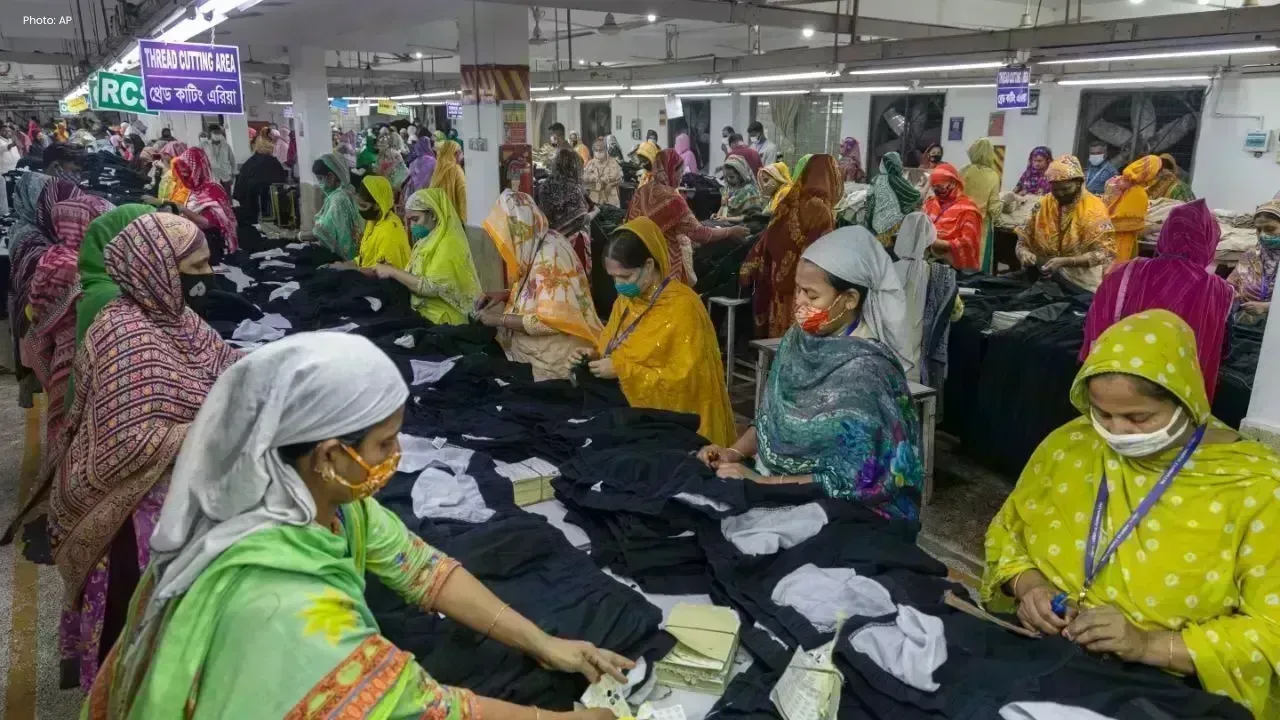
The garment sector, a cornerstone of Bangladesh’s economy, is also taking a hit. Factory owners report that exports to Europe and the United States have slowed due to increased operating expenses and energy crises. Manufacturing sectors have been compelled to invest heavily in diesel generators to counteract frequent power cuts, which in turn raises costs on materials such as sewing threads and packaging linked to oil prices.
Business leaders voice concerns that production in factories has notably decreased, sparking fears that international clients may redirect orders to countries like India, Vietnam, and Cambodia amidst the ongoing crisis. As the world's second-largest garment exporter, Bangladesh's textile industry supports nearly four million workers, predominantly from rural areas. The ongoing turmoil raises apprehensions about job security if production cuts or factory closures occur in response to escalating operational costs.









Anticipated Dates for UAE Eid Al Adha 2026 Unveiled by Astronomical Experts
Experts predict Eid Al Adha 2026 in the UAE to start on May 27, prompting early holiday planning amo

DAE Achieves Remarkable Growth in Q1 2026 With Record Revenue
Dubai Aerospace Enterprise announces impressive financial results for Q1 2026, reflecting a surge in

Price Increase for Sony PS5 in Southeast Asia Effective May 1
Sony announces a price increase for the PS5 across Southeast Asia starting May 1, 2026, impacting ga

Potential ‘Super El Niño’ in 2026: Understanding the Climate Risks
Could a Super El Niño emerge in 2026? Discover its implications and potential global climate impacts

Global Energy Crisis Intensifies: Markets React to Oil Supply Challenges
Markets are on edge as oil disruptions escalate, influencing prices and economic stability. Explore

Must-See Tourist Spots in London You Can't Overlook
Explore London's essential attractions, from royal landmarks to vibrant markets, ensuring an unforge




