Post by : Anees Nasser
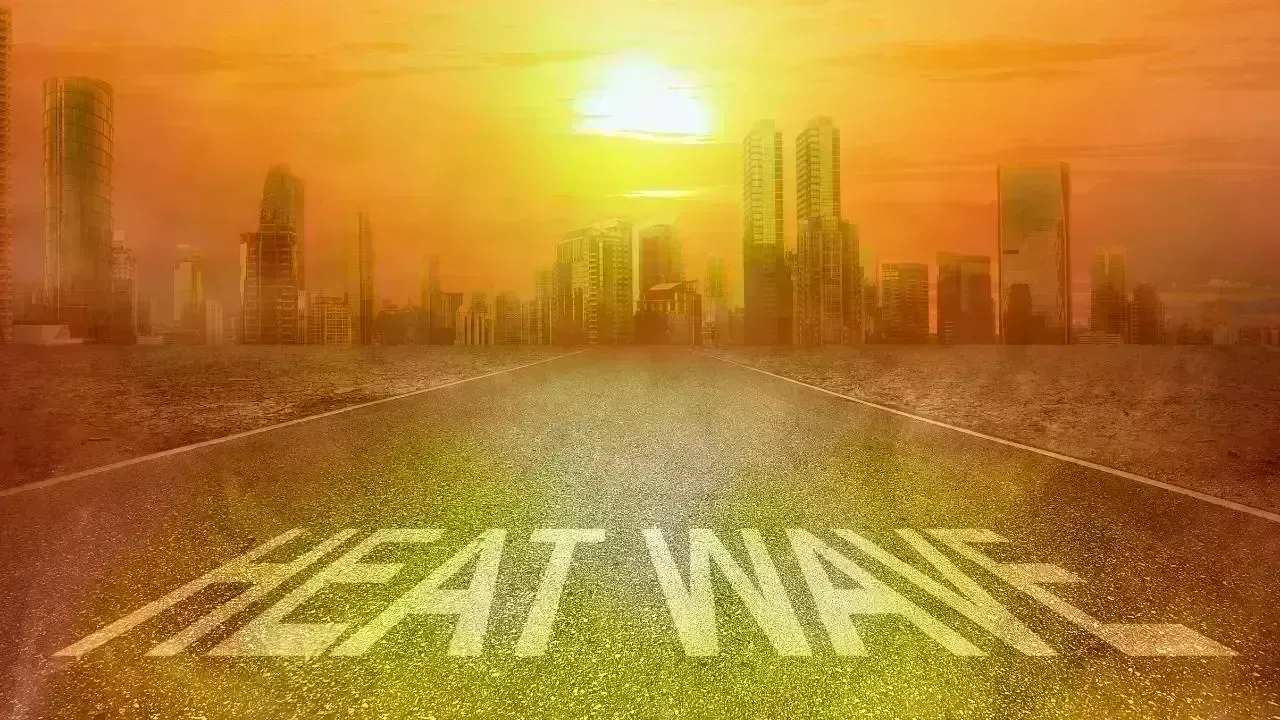
Heatwaves occur when temperatures soar significantly above typical seasonal averages for extended periods. In recent years, Europe and North America have seen more frequent and prolonged extreme heat events. These are not isolated weather blips but part of a broader pattern of climate variability and warming that scientists attribute to human-driven changes in the atmosphere and ocean systems.
Experts project that 2026 is likely to rank among the hottest years on record globally, reinforcing the likelihood of more intense heat events. This trend has profound implications for public health, infrastructure, agriculture, energy systems, and ecosystems. Heatwaves do not just manifest as uncomfortable weather; they create a cascade of challenges that can be deadly, especially for vulnerable populations.
Parts of Europe have already experienced record-breaking temperatures in recent years. Southern and western countries such as Spain, Portugal, Italy and France have seen repeated heatwave warnings and alerts, with temperatures climbing well above 40 degrees Celsius during peak summer months. These conditions have forced authorities to issue health advisories, close schools on extreme days, and prepare emergency systems to protect residents and visitors alike.
In several regions, heatwaves have been linked to widespread drought conditions, increased wildfire risk, and prolonged strain on electricity and water systems. Cities in inland and coastal areas both face the challenge of sustained high temperatures, with nighttime heat often offering little relief.
North America has also faced its share of severe heat events. While specific daily forecasts show cold conditions in winter 2025–26, historical patterns indicate that the continent’s summer months regularly push toward prolonged high temperatures that exceed historical averages. In the past, heatwaves have crested in the western and central United States and southern Canada, stressing emergency services and health systems.
In the United States, heatwaves have previously led to increased hospital admissions, infrastructure strain, and heat-related mortality. In addition to urban heat islands that magnify temperature effects in cities, rural areas with limited cooling infrastructure also face elevated risk.
Scientific observations indicate that average global temperatures have been rising over decades, and 2026 is projected to remain significantly warmer than pre-industrial levels. This increasing baseline means that heatwaves are more likely to reach extreme intensity and last longer than in the past.
Atmospheric patterns such as persistent high-pressure systems, sometimes referred to as heat domes, trap hot air over large regions, preventing cooling winds and setting the stage for prolonged heat events. These systems were notably linked to intense summer heat across parts of Europe in recent years.
Human activities that increase greenhouse gas concentrations in the atmosphere have contributed to these rising average temperatures, making extreme heat more likely. The warming trend disrupts long-standing seasonal norms and increases the likelihood of surpassing historic temperature records.
Heatwaves pose significant risks to human health and safety, particularly during prolonged exposure to high temperatures.
When the body can no longer cool itself efficiently, people can experience heat exhaustion and, in severe cases, heat stroke. Symptoms include heavy sweating, weakness, confusion, dizziness, nausea, and in heat stroke, loss of consciousness. Immediate medical attention is necessary for severe cases.
High temperatures can worsen respiratory conditions and increase strain on the heart. Individuals with pre-existing heart or lung conditions, diabetes, and older adults are especially vulnerable. Children and outdoor workers also face elevated risk.
Extreme heat places heavy demand on electrical grids, often due to widespread air-conditioning use, which can trigger blackouts or brownouts. Roads and rail lines can buckle under intense heat, and water infrastructure may struggle to meet demand. Healthcare systems must also manage increased patient loads during heat events.
Authorities in both Europe and North America have developed heatwave response frameworks to protect citizens. These include:
Heat advisory systems that warn residents when conditions pose severe health risks
Cooling centers offering refuge for those without air conditioning
Public health campaigns advising hydration, shade, and reduced outdoor activity
Emergency medical services preparing for increased cases of heat illness
Preparation efforts also focus on vulnerable populations — especially the elderly, children, and people with chronic health conditions — who are among the most at risk during prolonged heat.
Governments often coordinate through meteorological and health agencies to issue alerts when heatwaves are predicted, giving communities time to respond and adapt.
During heatwave conditions, individuals can take several measures to reduce health risk:
Drinking ample water is essential. Avoiding alcoholic and highly caffeinated drinks can help maintain hydration.
During peak heat — typically mid-day to late afternoon — staying indoors in shaded or air-conditioned environments reduces the risk of heat stress.
Light, loose-fitting, and light-colored clothing reflects heat and improves airflow around the body. Hats, sunglasses, and sunscreen further reduce heat impact.
Cool showers, wet towels, and shaded or air-conditioned rest areas help maintain normal body temperature. Portable fans alone may not prevent heat illness during extreme conditions.
Community support can save lives. Checking on family members and neighbors — particularly those who are elderly or have limited mobility — ensures they remain safe and hydrated.
Heatwaves can disrupt travel plans and tourism. In regions experiencing red heat warnings, local authorities may advise against non-essential travel, recommend schedule changes for outdoor tours, or temporarily close popular attractions during peak heat.
In Europe, countries that have issued heat-related travel advisories include Spain, Portugal, Italy and other southern nations where summer temperatures frequently exceed comfortable limits. These regions often implement additional safety signage, cooling stations, and emergency medical posts during peak heat periods.
While heat does not preclude travel entirely, understanding local conditions and planning activities around cooler parts of the day enhances comfort and safety.
Heatwaves are more than short-term weather events. They are part of a larger climate pattern being shaped by long-term temperature increases. Scientists monitor rising baseline temperatures and atmospheric patterns to understand how climate change influences the frequency and intensity of extreme heat.
Forecasts suggest that global temperatures will continue to remain elevated relative to historical averages, making heatwaves more common and severe. This underscores the importance of long-term adaptation strategies — such as urban planning that prioritizes tree cover and shade, housing designs that improve natural cooling, and infrastructure capable of withstanding higher temperature extremes.
This article is for informational purposes only and does not constitute medical or emergency advice. Readers should consult local health authorities and meteorological services for real-time alerts and specific protective measures.








Anticipated Dates for UAE Eid Al Adha 2026 Unveiled by Astronomical Experts
Experts predict Eid Al Adha 2026 in the UAE to start on May 27, prompting early holiday planning amo

DAE Achieves Remarkable Growth in Q1 2026 With Record Revenue
Dubai Aerospace Enterprise announces impressive financial results for Q1 2026, reflecting a surge in

Price Increase for Sony PS5 in Southeast Asia Effective May 1
Sony announces a price increase for the PS5 across Southeast Asia starting May 1, 2026, impacting ga

Potential ‘Super El Niño’ in 2026: Understanding the Climate Risks
Could a Super El Niño emerge in 2026? Discover its implications and potential global climate impacts

Global Energy Crisis Intensifies: Markets React to Oil Supply Challenges
Markets are on edge as oil disruptions escalate, influencing prices and economic stability. Explore

Must-See Tourist Spots in London You Can't Overlook
Explore London's essential attractions, from royal landmarks to vibrant markets, ensuring an unforge




