Post by : Priya
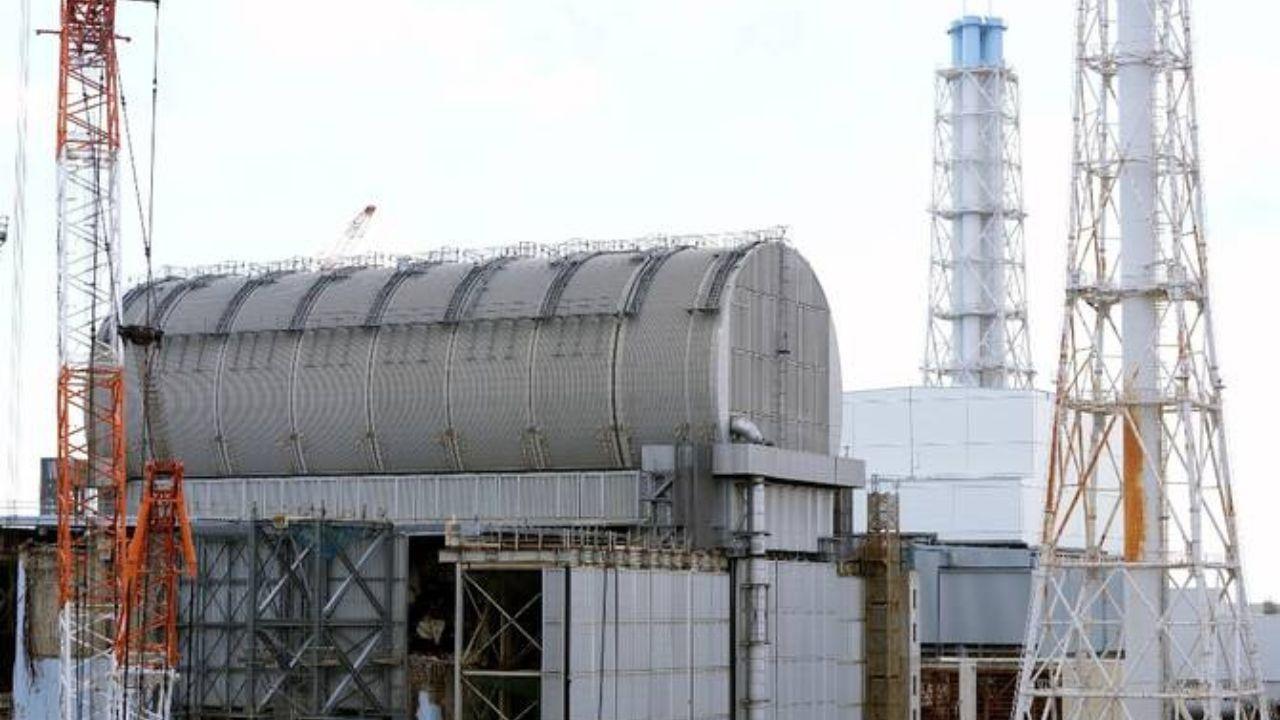
Photo:AP
The Fukushima Daiichi nuclear disaster remains one of the most challenging industrial crises in modern history. More than a decade after the catastrophic earthquake and tsunami on March 11, 2011, which triggered meltdowns in three reactors at the plant, Japan continues to grapple with the massive task of cleaning up radioactive debris. Recent announcements confirm that the removal of highly radioactive debris from the plant is now delayed until at least 2037, extending the timeline by several years from earlier projections.
The Fukushima Disaster and Initial Cleanup Plans
The Fukushima Daiichi nuclear power plant, operated by Tokyo Electric Power Company (TEPCO), was hit by a massive tsunami triggered by a 9.0 magnitude earthquake in 2011. The event caused three of its six reactors to undergo core meltdowns, releasing large amounts of radioactive material into the surrounding environment. The resulting nuclear disaster was the worst since Chernobyl in 1986.
In the disaster’s immediate aftermath, efforts focused on stabilizing the reactors, restoring cooling systems, and preventing further release of radiation. By mid-2011, the reactors were brought to cold shutdown status, an important initial step to reduce the risk of further radiation leakage.
The long-term cleanup plan has aimed to remove around 880 tonnes of highly radioactive fuel debris from inside the damaged reactors. This is considered the most difficult phase of the plant's decommissioning, as the debris consists of molten nuclear fuel mixed with reactor materials. Initial estimates suggested that removal would begin in the early 2030s, and the entire decommissioning effort might be completed by 2051 — 40 years after the disaster.
The Delays: Why Removal Is Now Scheduled For 2037 or Later
As of July 2025, TEPCO officials have publicly disclosed that preparations to begin full-scale debris retrieval will take 12 to 15 years from now. This means the earliest actual removal work can start is around 2037, pushing back the cleanup schedule significantly.
Several major factors explain the delay:
Implications of the Delay
The postponement of debris removal has broad consequences:
What Is Being Done Now?
TEPCO and Japan’s Nuclear Damage Compensation and Decommissioning Facilitation Corporation (NDF) are coordinating the cleanup. Key current efforts include:









DAE Achieves Remarkable Growth in Q1 2026 With Record Revenue
Dubai Aerospace Enterprise announces impressive financial results for Q1 2026, reflecting a surge in

Price Increase for Sony PS5 in Southeast Asia Effective May 1
Sony announces a price increase for the PS5 across Southeast Asia starting May 1, 2026, impacting ga

Potential ‘Super El Niño’ in 2026: Understanding the Climate Risks
Could a Super El Niño emerge in 2026? Discover its implications and potential global climate impacts

Global Energy Crisis Intensifies: Markets React to Oil Supply Challenges
Markets are on edge as oil disruptions escalate, influencing prices and economic stability. Explore

Must-See Tourist Spots in London You Can't Overlook
Explore London's essential attractions, from royal landmarks to vibrant markets, ensuring an unforge

Ultimate Guide to Snagging Cheap Flights in 2026
Unlock the secrets to booking affordable flights in 2026 with insightful tips and strategies tailore




