Post by : Vansh
Traditional sports have been a cornerstone of human culture for centuries, connecting communities, celebrating heritage, and fostering physical and social development. Unlike contemporary professional sports, which are often driven by commercial interests, these games originated as communal activities, reflecting local traditions, values, and lifestyles. From village fields to grand stadiums, traditional sports have evolved while preserving their essence, inspiring generations, and strengthening cultural bonds.
Understanding the journey of these sports helps us appreciate how they have shaped societies, nurtured creativity, and connected the past to the present. Their story is not only about competition but also about resilience, identity, and the human spirit.
The origins of traditional sports are deeply intertwined with cultural practices, rituals, and historical events. Many of these games were developed to train warriors, celebrate harvests, or mark spiritual ceremonies. For example, sumo wrestling in Japan is closely linked to Shinto rituals, while the Highland games in Scotland were initially contests of strength to showcase skill among clans.
Participating in these sports has always been a way to instill values such as teamwork, discipline, and respect. They also serve as educational tools, teaching younger generations about history, social roles, and community ethics. By engaging in traditional sports, communities preserve their cultural heritage and maintain a living link to their ancestors.
Across the globe, different regions have developed sports that showcase their unique heritage and lifestyle.
Kabaddi is a physically demanding team sport that combines agility, strategy, and strength. Historically played in rural villages during festivals, kabaddi fosters community participation and physical fitness. Today, professional leagues have elevated its status, bringing it to national and international attention.
Sumo wrestling is Japan’s national sport, deeply rooted in tradition. Matches are accompanied by ritualistic practices such as salt purification and ceremonial movements, reflecting spiritual values. Sumo represents the preservation of cultural heritage and the continuity of traditional practices in a modern context.
Hurling, one of Ireland’s oldest sports, requires speed, precision, and skill. Played with a wooden stick called a hurley and a small ball, hurling connects Irish communities with their Celtic history. Its tournaments foster pride, identity, and intergenerational participation.
Sepak takraw is a volleyball-like sport played with the feet. Known for its acrobatic movements and agility, it is popular in Thailand, Malaysia, and Indonesia. It reflects the creativity and athleticism of Southeast Asian cultures and remains central to festivals and community gatherings.
These examples demonstrate that traditional sports are diverse, culturally rich, and vital in promoting social cohesion while entertaining and inspiring participants.
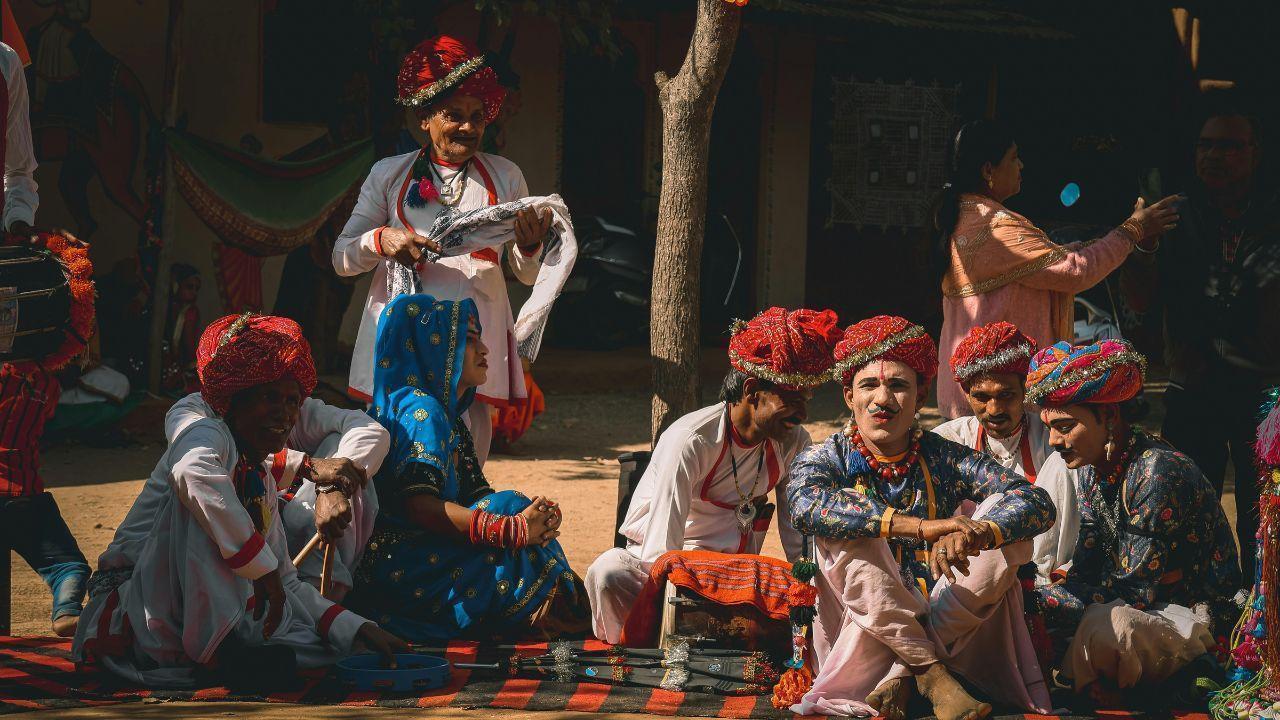
Folk festivals play a crucial role in preserving and promoting traditional sports. They provide a stage for competition, cultural expression, and community bonding. Festivals often combine games with music, dance, storytelling, and ceremonial rituals, offering a holistic cultural experience.
In India, kabaddi competitions during harvest festivals bring entire villages together. In Scotland, Highland games celebrate skill, strength, and community through athletic contests and music. Such gatherings ensure that younger generations witness and participate in cultural heritage, keeping these traditions alive.
Despite their significance, traditional sports face challenges in today’s world. Commercialized global sports dominate media attention, leading to declining interest in local games. Urbanization reduces the availability of open spaces, and modern entertainment options, such as digital gaming, draw youth away from traditional activities.
Funding and infrastructure limitations also pose challenges. Unlike professional sports, traditional games often lack sponsorship, organized leagues, or media coverage. Without proper support, these sports risk being forgotten, along with the rich culture they represent.
To remain relevant, many traditional sports have adapted to modern contexts. Professional leagues, televised tournaments, and tourism-driven events have brought attention to kabaddi, sumo, and hurling. Technology, including online platforms, social media, and live streaming, helps document matches, share techniques, and promote awareness globally.
These adaptations highlight the role of innovation in preserving traditional sports. By embracing modern tools while retaining historical authenticity, communities can ensure that these games continue to inspire and engage younger generations.
The content of this article is for informational purposes only. While efforts have been made to ensure accuracy, MiddleEastBulletin news does not guarantee the completeness or reliability of the information. Readers are encouraged to verify facts independently and exercise their own judgment.








DAE Achieves Remarkable Growth in Q1 2026 With Record Revenue
Dubai Aerospace Enterprise announces impressive financial results for Q1 2026, reflecting a surge in

Price Increase for Sony PS5 in Southeast Asia Effective May 1
Sony announces a price increase for the PS5 across Southeast Asia starting May 1, 2026, impacting ga

Potential ‘Super El Niño’ in 2026: Understanding the Climate Risks
Could a Super El Niño emerge in 2026? Discover its implications and potential global climate impacts

Global Energy Crisis Intensifies: Markets React to Oil Supply Challenges
Markets are on edge as oil disruptions escalate, influencing prices and economic stability. Explore

Must-See Tourist Spots in London You Can't Overlook
Explore London's essential attractions, from royal landmarks to vibrant markets, ensuring an unforge

Ultimate Guide to Snagging Cheap Flights in 2026
Unlock the secrets to booking affordable flights in 2026 with insightful tips and strategies tailore




