Post by : Priya
Photo:AFP
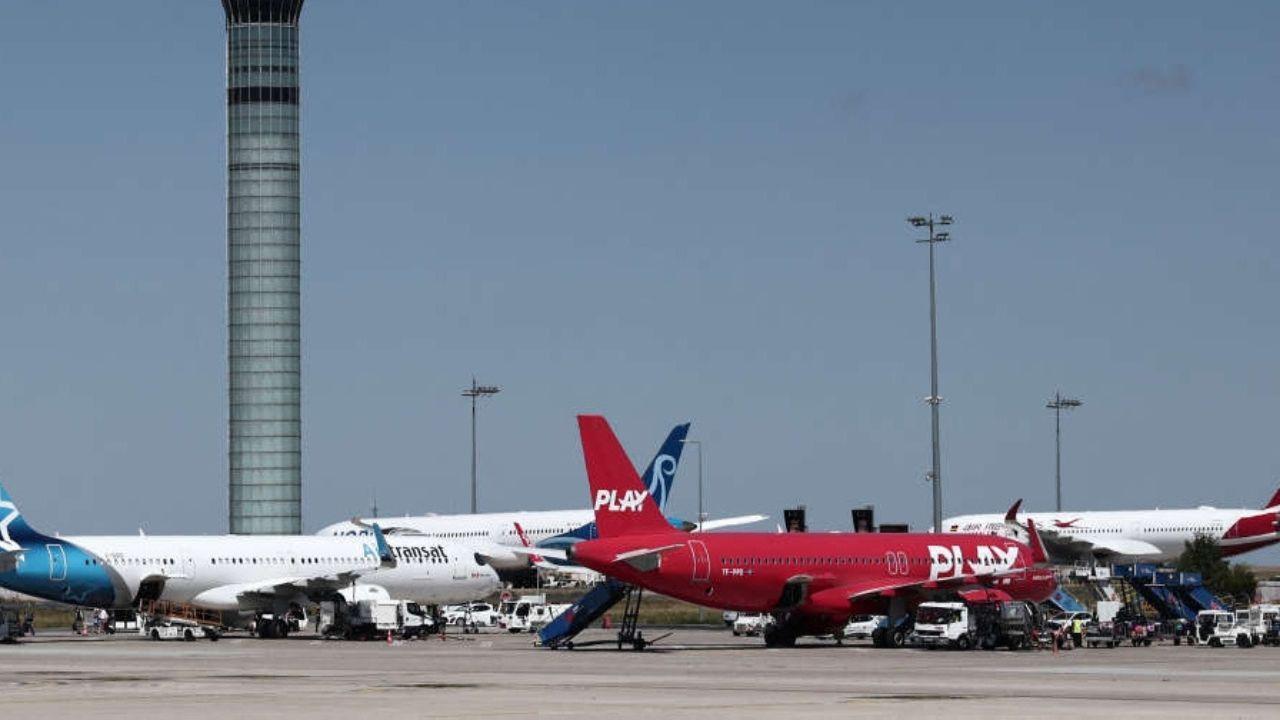
As Europe gears up for one of its busiest travel periods, airports across the continent are facing a crisis. French air traffic controllers—key players in the smooth operation of European skies—have gone on strike, throwing the summer holiday season into chaos. Flights have been delayed, canceled, or rerouted, and passengers are left stranded at airports with little information and even less patience.
What began as a national labor dispute has quickly escalated into a widespread travel disruption affecting millions—not just in France, but across the European Union and beyond. As the strike enters another day without resolution, it raises urgent questions about labor conditions, air traffic management, and how fragile the modern travel system truly is.
What Is Happening and Why It Matters
The strike began earlier this week, with air traffic controllers in France walking off the job in protest against working conditions, staffing shortages, and changes to retirement policies. France plays a central role in European air travel, not only because of its own busy airports like Paris Charles de Gaulle and Orly, but because its airspace is used by thousands of flights traveling between countries. That means even flights not landing or taking off in France are being affected.
The result? A domino effect across Europe. Flights have been grounded in the UK, Germany, Spain, and Italy. Budget airlines such as Ryanair and easyJet have reported dozens of cancellations, and national carriers like Air France and Lufthansa are also feeling the strain. Travelers face last-minute changes, long delays, and, in many cases, no alternative options.
This isn’t the first time French air traffic control has gone on strike, but the timing—right at the start of summer holidays—makes this particular action especially damaging.
The Human Cost of the Strike
For many passengers, especially families traveling for summer vacations or those visiting relatives abroad, the experience has been frustrating and stressful. Social media is flooded with photos of long queues, tired children lying on luggage, and angry customers demanding answers.
Tourism operators, hotel owners, and even small businesses dependent on summer travelers are also feeling the pressure. The start of July is when many European destinations rely on an influx of tourists. Disruptions at this scale can lead to losses in the millions.
There is also a toll on airline staff, airport workers, and ground crew, who are left to handle confused passengers and try to manage an increasingly unmanageable situation. Many are working double shifts just to keep up.
What Do the Air Traffic Controllers Want?
The unions representing the air traffic controllers say they are not striking without reason. According to their representatives, many towers are understaffed, forcing workers to handle more shifts, including nights and weekends, with little support. They also oppose proposed changes to retirement age and pension structures, saying it will only worsen the situation in the long run.
The government, on the other hand, insists reforms are necessary to ensure the sustainability of the system. Talks have taken place, but so far, both sides remain firm, with little sign of compromise.
Broader Lessons for Europe’s Travel Infrastructure
This strike highlights a key vulnerability in Europe’s aviation system: how dependent it is on a small group of highly skilled professionals. Unlike flight attendants or check-in agents, air traffic controllers are not easily replaceable. They must be trained for years, certified regularly, and able to work under intense pressure. When they strike, there are no backups.
It also reveals how interconnected air travel in Europe has become. A single country’s internal labor issue can disrupt the travel plans of people in more than 20 countries. With climate concerns, rising costs, and increasing demand for travel, the need for a modernized and more resilient system is becoming urgent.
What Needs to Happen Now
There are no easy answers, but a few things are clear. First, negotiations must resume quickly and with sincerity from both sides. A prolonged strike will hurt not just airlines and passengers, but the economy at large. Second, there needs to be a long-term plan for hiring and training more air traffic controllers across Europe to prevent future shortages. Lastly, governments and airlines must invest in better communication systems to keep travelers informed and prepared when disruptions occur.







DAE Achieves Remarkable Growth in Q1 2026 With Record Revenue
Dubai Aerospace Enterprise announces impressive financial results for Q1 2026, reflecting a surge in

Price Increase for Sony PS5 in Southeast Asia Effective May 1
Sony announces a price increase for the PS5 across Southeast Asia starting May 1, 2026, impacting ga

Potential ‘Super El Niño’ in 2026: Understanding the Climate Risks
Could a Super El Niño emerge in 2026? Discover its implications and potential global climate impacts

Global Energy Crisis Intensifies: Markets React to Oil Supply Challenges
Markets are on edge as oil disruptions escalate, influencing prices and economic stability. Explore

Must-See Tourist Spots in London You Can't Overlook
Explore London's essential attractions, from royal landmarks to vibrant markets, ensuring an unforge

Ultimate Guide to Snagging Cheap Flights in 2026
Unlock the secrets to booking affordable flights in 2026 with insightful tips and strategies tailore




