Post by : Monika
Photo: AP
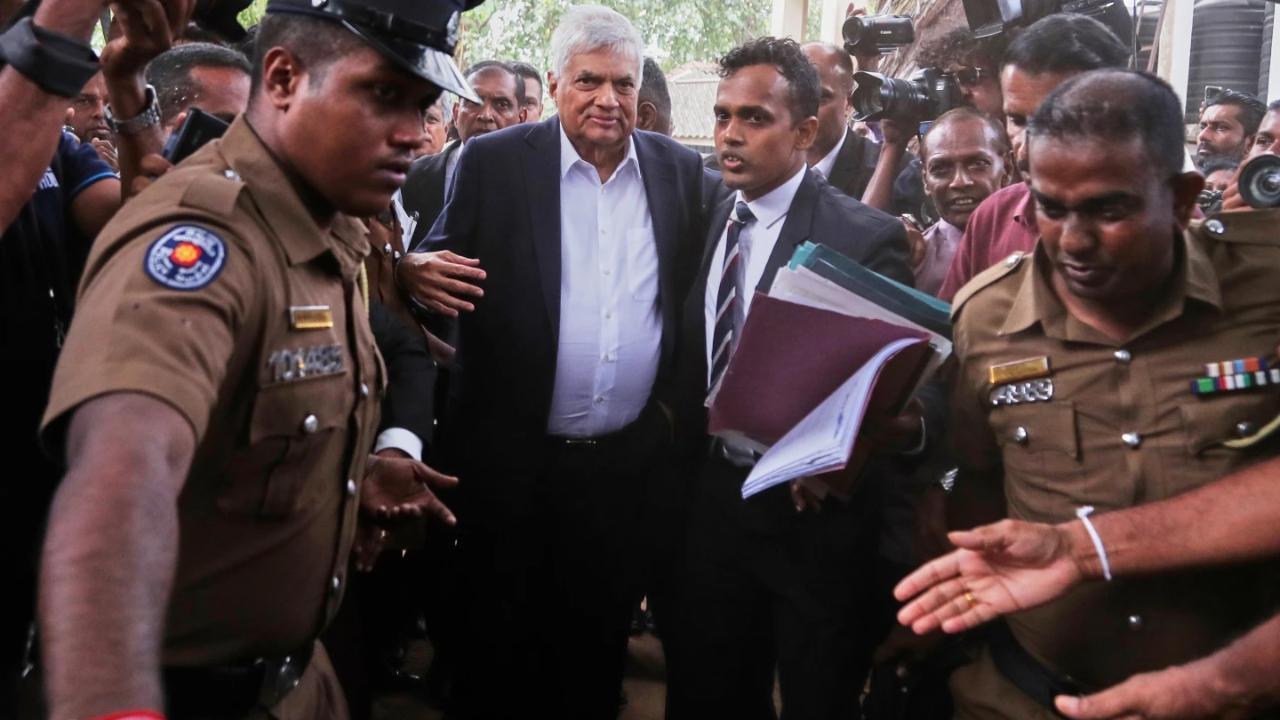
On August 22, 2025, former Sri Lankan President Ranil Wickremesinghe was arrested by the Financial Crimes Investigations Department (FCID) over allegations that he misused public funds. The charges are related to his use of government resources to attend his wife’s graduation ceremony in London.
This trip occurred right after an official visit to the United States. Wickremesinghe, who served as the president of Sri Lanka from 2022 to 2024, became the first former head of state in the country to be arrested under the current administration’s anti-corruption campaign. The arrest has drawn widespread attention both nationally and internationally.
Wickremesinghe’s presidency began at a difficult time for Sri Lanka. The country was dealing with a severe economic crisis when he assumed office following the resignation of President Gotabaya Rajapaksa in 2022. During his tenure, Wickremesinghe was praised for stabilizing the economy.
He managed to reduce inflation, strengthen the local currency, and increase foreign reserves, which were all critical steps in reviving Sri Lanka’s financial system. Despite these accomplishments,
his presidency faced criticism from many citizens. He implemented strict austerity measures to meet conditions of an International Monetary Fund (IMF) bailout. These measures included increasing taxes and raising utility bills, which created financial pressure for many families across the country.
President Anura Kumara Dissanayake, who took office in September 2024, has made fighting corruption a central part of his administration’s agenda. Since assuming power, his government has investigated numerous political figures from previous administrations. Over a dozen politicians and former government officials have been either arrested or are under investigation for allegations of corruption and misuse of power.
Wickremesinghe’s arrest is part of this broader anti-corruption effort, signaling that the current government is serious about holding past leaders accountable for their actions.
The Financial Crimes Investigations Department (FCID) has been closely examining Wickremesinghe’s use of state funds. According to the charges, resources from the government, such as funds allocated for official travel and state security, were used to cover expenses for his personal family event in London. This situation has sparked debate among citizens and political analysts.
Some argue that high-ranking officials should never mix personal benefits with government resources, while others point out that former presidents often receive certain privileges even after leaving office. However, in this case, the government asserts that proper procedures were not followed, which constitutes a misuse of public funds.
Wickremesinghe’s arrest is unprecedented in the history of modern Sri Lanka. No former president had previously been detained in connection with allegations of corruption under the current anti-corruption policies. The move is being closely watched by international observers, who view it as a test of Sri Lanka’s commitment to rule of law and transparency. Government officials have stated that no individual is above the law, regardless of their rank or previous position in office.
Since leaving office in 2024, Wickremesinghe has maintained a relatively low profile. During his presidency, he faced numerous challenges, including managing foreign relations, negotiating international loans, and stabilizing domestic financial markets.
Despite these responsibilities, he focused on securing Sri Lanka’s economic position during one of the country’s most turbulent periods. While some citizens appreciated his efforts to stabilize the economy, others criticized him for the harsh economic measures that affected ordinary people’s daily lives.
The arrest has also raised questions about accountability for former leaders in Sri Lanka. Many experts believe that this action sets a precedent for future administrations, showing that even high-ranking officials can be investigated for their actions while in office.
Political analysts have emphasized the importance of transparency and ethical conduct for public officials, particularly when it comes to spending government funds.
The case against Wickremesinghe highlights ongoing concerns about corruption in Sri Lanka’s political system. Corruption has long been an issue in the country, affecting economic growth and public trust in government institutions. Citizens have demanded stricter oversight and accountability to ensure that public resources are used properly and for the benefit of the people.
The current administration has responded by increasing investigations and taking firm action against those suspected of misusing public funds.
In addition to the London trip controversy, Wickremesinghe’s presidency will continue to be remembered for the significant economic measures he took. By negotiating with international lenders, stabilizing the currency, and increasing foreign reserves,
he played a role in preventing a deeper financial collapse. At the same time, his decisions on taxes and utilities sparked public protests and criticism, reflecting the delicate balance leaders must maintain between economic stability and citizens’ welfare.
President Dissanayake has publicly stated that combating corruption is a top priority. His administration aims to create a government that is transparent, accountable, and focused on serving the people.
The arrest of a former president demonstrates that the government intends to enforce these principles rigorously. Officials have emphasized that the rule of law applies to everyone, including the most senior figures in the country’s political history.
As the investigation into Wickremesinghe continues, the FCID is expected to gather evidence related to financial transactions, official travel logs, and state security provisions used during his London trip.
Legal experts suggest that the investigation may take time, given the complexity of the case and the high-profile nature of the individual involved. Citizens and political commentators are closely following developments, as the outcome may influence public confidence in government institutions and anti-corruption initiatives.
Internationally, the arrest has sparked discussions about governance and accountability in Sri Lanka. Analysts from neighboring countries and global institutions are observing how the investigation proceeds. Many see this as a test of the country’s commitment to good governance and judicial fairness. Ensuring that the legal process is conducted transparently and without political bias is considered crucial for maintaining both domestic and international credibility.
The arrest of Ranil Wickremesinghe also sheds light on the broader efforts of the Dissanayake administration to address systemic corruption. Over the past year, several high-ranking officials from previous governments have faced scrutiny, creating an atmosphere of accountability.
This campaign has signaled to both citizens and foreign investors that the government is serious about reforming the political system and promoting ethical leadership.
While Wickremesinghe has not yet made a public statement about his arrest, legal representatives are expected to review the charges and prepare a defense. The case is likely to proceed through the judicial system in the coming months, with hearings and investigations determining the extent of any wrongdoing.
Citizens and media outlets are closely monitoring the situation, as it may set a significant precedent for future cases involving former government leaders.
Overall, the arrest of former President Ranil Wickremesinghe represents a significant moment in Sri Lanka’s political history. It reflects the current government’s commitment to tackling corruption and holding former leaders accountable.
At the same time, it highlights ongoing debates about governance, ethical conduct, and the use of public resources. As the investigation continues, the outcome will likely influence the political landscape of Sri Lanka and serve as a reference for future administrations striving for transparency and accountability.








DAE Achieves Remarkable Growth in Q1 2026 With Record Revenue
Dubai Aerospace Enterprise announces impressive financial results for Q1 2026, reflecting a surge in

Price Increase for Sony PS5 in Southeast Asia Effective May 1
Sony announces a price increase for the PS5 across Southeast Asia starting May 1, 2026, impacting ga

Potential ‘Super El Niño’ in 2026: Understanding the Climate Risks
Could a Super El Niño emerge in 2026? Discover its implications and potential global climate impacts

Global Energy Crisis Intensifies: Markets React to Oil Supply Challenges
Markets are on edge as oil disruptions escalate, influencing prices and economic stability. Explore

Must-See Tourist Spots in London You Can't Overlook
Explore London's essential attractions, from royal landmarks to vibrant markets, ensuring an unforge

Ultimate Guide to Snagging Cheap Flights in 2026
Unlock the secrets to booking affordable flights in 2026 with insightful tips and strategies tailore




