Post by : Bianca Suleiman
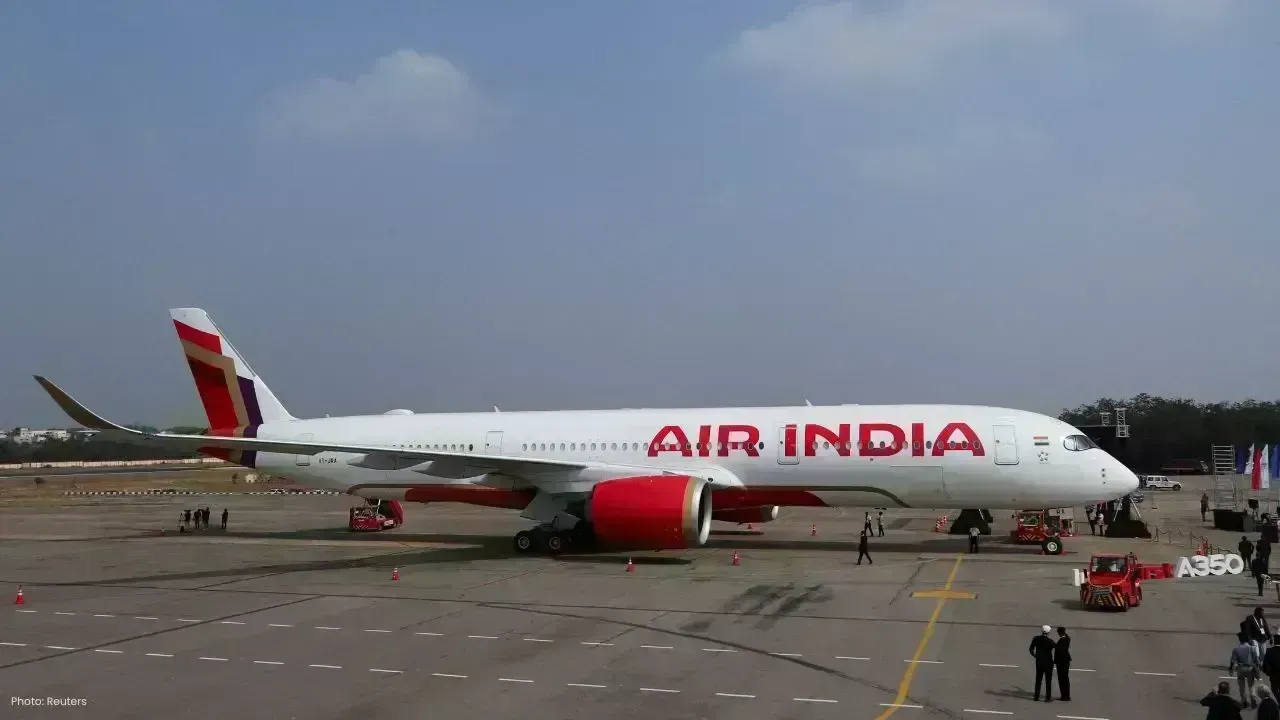
UAE travelers brace for disruptions as Air India and IndiGo, the two largest airlines in India, have announced a reduction in numerous domestic and international flights. This decision stems from soaring jet fuel prices attributed to the ongoing conflict in Iran.
The timing of these cuts coincides with the bustling summer season, a peak travel period for Indian expatriates returning home for family visits and school holidays.
Collectively, these airlines symbolize around 90% of India's domestic aviation landscape, making their flight cuts particularly impactful for passengers traveling between the UAE and India.
Reports indicate that IndiGo has reduced its scheduled domestic flights by approximately 7% to 10% for the months of June and July, while Air India has made even larger cuts, slashing nearly 22% of its domestic services during this timeframe.
The effects of these operational limitations are anticipated to result in reduced seat availability and skyrocketing ticket prices on various popular routes during this peak travel season.
Spike in Fuel Costs Linked to Middle East Tensions
Amid escalating tensions in the Middle East, airlines are grappling with significant pressure as fuel costs have surged. Jet fuel represents one of the largest expenses for airlines, often consuming up to 40% of operating costs. Heightened oil prices have compelled many carriers to cut back on services, suspend less profitable routes, and raise airfares.
Air India has confirmed operational adjustments on select domestic routes from June through August, attributing these changes to the continuous uptick in fuel prices.
An airline spokesperson revealed that aviation turbine fuel costs for Air India surged from around Rs 80,000 per kilolitre prior to the conflict to upwards of Rs 100,000 post-crisis.
This price increase has been partially attributed to disruptions in the Strait of Hormuz, a critical oil shipping route connecting Gulf nations to international markets.
Impact on UAE Travellers
Travelers in the UAE can expect to experience delays and fewer flight options, particularly when connecting through major Indian hubs such as Delhi and Mumbai. Air India's reduced international services have subsequently diminished demand for domestic feeder flights.
As a result, passengers departing from Dubai, Abu Dhabi, and Sharjah may face longer layover times, limited connecting options, and higher fares.
Many passengers from the UAE also utilize Indian airports for cost-effective transit to North America, Europe, and Asia, making these reductions even more concerning.
Reduction of International Flights
Air India has already suspended or curtailed several international routes until August, including flights between Delhi and Chicago, which have been entirely halted. Additionally, flight frequencies for the Delhi-San Francisco route have been cut from ten to seven weekly.
Frequency reductions are also noted on routes to Toronto, Vancouver, Paris, Singapore, Bangkok, among others.
IndiGo Facing Similar Challenges
IndiGo, which commands the largest market share in India, has also found itself under operational stress despite its growth ambitions. Operating over 2,200 daily flights, including international routes, the airline had previously streamlined some long-haul operations due to airport congestion.
These latest cuts signify the ongoing vulnerability of the aviation sector to global fuel price fluctuations, even amidst robust passenger demand.
Experts suggest that airlines are pivoting towards profitability and fuel efficiency, rather than relentless expansion.
High Airfares Through Summer
Travel experts predict that ticket prices on routes between the Gulf and India are likely to remain elevated throughout the summer, due to limited seat availability and strong demand.
This backdrop may boost interest in Gulf-based carriers like Emirates, Etihad Airways, and flydubai, as travelers might seek out more stable flight schedules and direct international routes.
Nonetheless, these Gulf airlines are facing their own rising fuel expenses amidst ongoing energy market volatility.
Financial Strain on Air India
Air India continues to navigate significant financial hurdles, recently reporting yearly losses exceeding $2 billion. Beyond rising fuel costs, it has also been adversely affected by Pakistan's ongoing closure of airspace to Indian carriers and the stronger U.S. dollar.
The airline, part of Tata Group and Singapore Airlines, assured affected customers they would receive alternative travel options, complimentary date changes, or refunds where eligible.
The situation will remain under assessment, subject to the fluctuation of fuel costs and passenger demand.
Experts caution that further reductions in flights could occur if tensions in the Middle East persist, impacting global oil prices and the aviation supply chain.
For travelers in the UAE, this ongoing predicament may usher in continued uncertainty in flight schedules, ticket prices, and availability well beyond the summer travel season.










Meta Unveils Subscription Plans for Instagram, Facebook, and WhatsApp
Meta introduces new subscription plans for users of Instagram, Facebook, and WhatsApp, featuring enh

Suvarna Joy on Education Leadership, Resilience, and Building Purpose Through Adversity in the UAE
Suvarna Joy shares her journey of education leadership, motherhood, faith, and resilience within the

Anticipated Dates for UAE Eid Al Adha 2026 Unveiled by Astronomical Experts
Experts predict Eid Al Adha 2026 in the UAE to start on May 27, prompting early holiday planning amo

DAE Achieves Remarkable Growth in Q1 2026 With Record Revenue
Dubai Aerospace Enterprise announces impressive financial results for Q1 2026, reflecting a surge in

Price Increase for Sony PS5 in Southeast Asia Effective May 1
Sony announces a price increase for the PS5 across Southeast Asia starting May 1, 2026, impacting ga

Potential ‘Super El Niño’ in 2026: Understanding the Climate Risks
Could a Super El Niño emerge in 2026? Discover its implications and potential global climate impacts




