Post by : Priya
Photo:Reuters
Formula 1 is actively preparing contingency plans to address the possibility that its season-ending races in the Middle East—specifically in Qatar and Abu Dhabi—could be disrupted or cancelled due to escalating regional conflicts. This proactive approach comes amid heightened geopolitical tensions, particularly following Iran’s missile attack on a US airbase in Qatar, which was itself a response to US involvement in Israel’s recent air campaign against Iran. These developments have already caused significant disruption to airline services in the region, with some countries temporarily closing their airspace.
F1’s Safety-First Stance and Monitoring
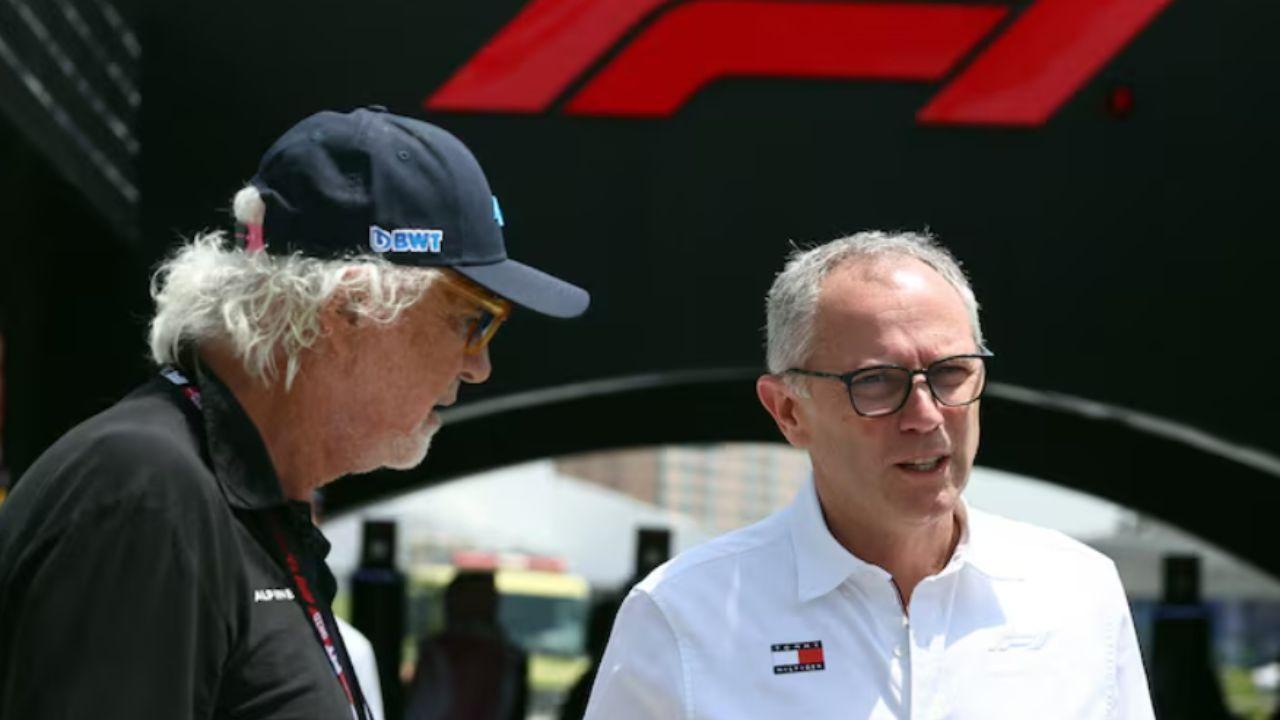
Stefano Domenicali, the CEO of Formula 1, has emphasized that the safety of teams, drivers, and fans remains the sport’s top priority. He stated that F1 is in daily contact with race promoters in the Middle East and is closely monitoring the evolving situation. According to Domenicali, the local organizers remain calm, and there are currently no signals indicating that the races are at imminent risk of cancellation. Nonetheless, he acknowledged the unpredictability of the situation and stressed the need for constant vigilance:
“We just need to always be prepared and monitor the situation,” Domenicali said, highlighting that circumstances can change rapidly.
Contingency Planning: Keeping the Show on the Road
The final two races of the 2025 season are scheduled for Qatar on November 30 and Abu Dhabi on December 7, following the Las Vegas Grand Prix on November 22. These events are not only logistically significant—requiring the direct transport of cars and equipment from the US to the Middle East—but also crucial for the championship, as the Yas Marina race has often been a title decider in recent years.
Should the security situation deteriorate to the point where holding these races becomes impossible, F1 has a contingency plan in place. While Domenicali refrained from disclosing specific details, he confirmed that alternative venues are being considered. The main challenge is the time of year: December weather makes most European circuits unsuitable due to cold and the risk of snow. However, F1 is evaluating warmer alternatives, such as Portugal’s Algarve circuit, which successfully hosted races during the COVID-19 pandemic. Domenicali suggested that a single circuit could potentially host both replacement races if necessary.
“Europe is big, the temperatures are quite mild in certain areas,” Domenicali noted. “We definitely cannot go in places where there will be snow. But as I said, I am not even thinking about that. We are not worried at all that this will have an effect on the championship”.
Precedents and F1’s Approach to Crisis
Formula 1 has recent experience managing races amid security concerns. In 2022, the Saudi Arabian Grand Prix proceeded despite missile attacks by Yemen’s Houthi rebels on an oil facility near the Jeddah circuit. At the time, F1 continued with the event after receiving strong safety assurances from local authorities. However, Domenicali acknowledged that such assurances can only go so far, and the sport must be ready to adapt quickly if the situation changes.
The current contingency planning is not only about logistics but also about upholding F1’s commitment to safety and its global reputation. Any decision to cancel or relocate races would be made with the broader context in mind, prioritizing the well-being of all involved over sporting or commercial interests.
Logistical and Operational Considerations
If the Middle Eastern races were to be cancelled, the logistical challenges would be significant. The F1 calendar is tightly packed, and moving two major events on short notice would require immense coordination. The chosen replacement venue would need to be able to accommodate the teams, equipment, and fans, as well as provide suitable weather and facilities. The Algarve circuit in Portugal is one of the few European venues with a climate mild enough in December to be considered a viable alternative.
Broader Implications and Industry Response
The uncertainty surrounding the Middle East races has prompted discussions within teams and among drivers regarding safety and travel logistics. F1’s readiness to implement a “Plan B” demonstrates the sport’s adaptability, a trait honed during the COVID-19 pandemic when the calendar was repeatedly reshuffled to respond to global health and travel restrictions.
Additionally, F1’s willingness to withdraw from countries over broader concerns, such as human rights issues, has been previously stated by Domenicali. The sport has clauses in its contracts allowing for the termination of events if certain standards are not met, further underscoring the importance placed on safety and ethical considerations





DAE Achieves Remarkable Growth in Q1 2026 With Record Revenue
Dubai Aerospace Enterprise announces impressive financial results for Q1 2026, reflecting a surge in

Price Increase for Sony PS5 in Southeast Asia Effective May 1
Sony announces a price increase for the PS5 across Southeast Asia starting May 1, 2026, impacting ga

Potential ‘Super El Niño’ in 2026: Understanding the Climate Risks
Could a Super El Niño emerge in 2026? Discover its implications and potential global climate impacts

Global Energy Crisis Intensifies: Markets React to Oil Supply Challenges
Markets are on edge as oil disruptions escalate, influencing prices and economic stability. Explore

Must-See Tourist Spots in London You Can't Overlook
Explore London's essential attractions, from royal landmarks to vibrant markets, ensuring an unforge

Ultimate Guide to Snagging Cheap Flights in 2026
Unlock the secrets to booking affordable flights in 2026 with insightful tips and strategies tailore




