Post by : Sami Jeet
The popularity of rice water as a natural skincare solution is surging across beauty forums and social media platforms. Many advocate for its skin-brightening and texture-enhancing abilities. For those with acne-prone skin, the big question looms: Can rice water genuinely help reduce breakouts, soothe inflammation, or enhance overall appearance? While it boasts beneficial nutrients for skin health, it’s essential to weigh both its advantages and its limitations according to skincare experts before incorporating it into your routine.
Natural remedies can offer some assistance to the skin, but acne is a multifactorial condition influenced by oil production, hormones, and various lifestyle elements. Thus, results can vary greatly between individuals.
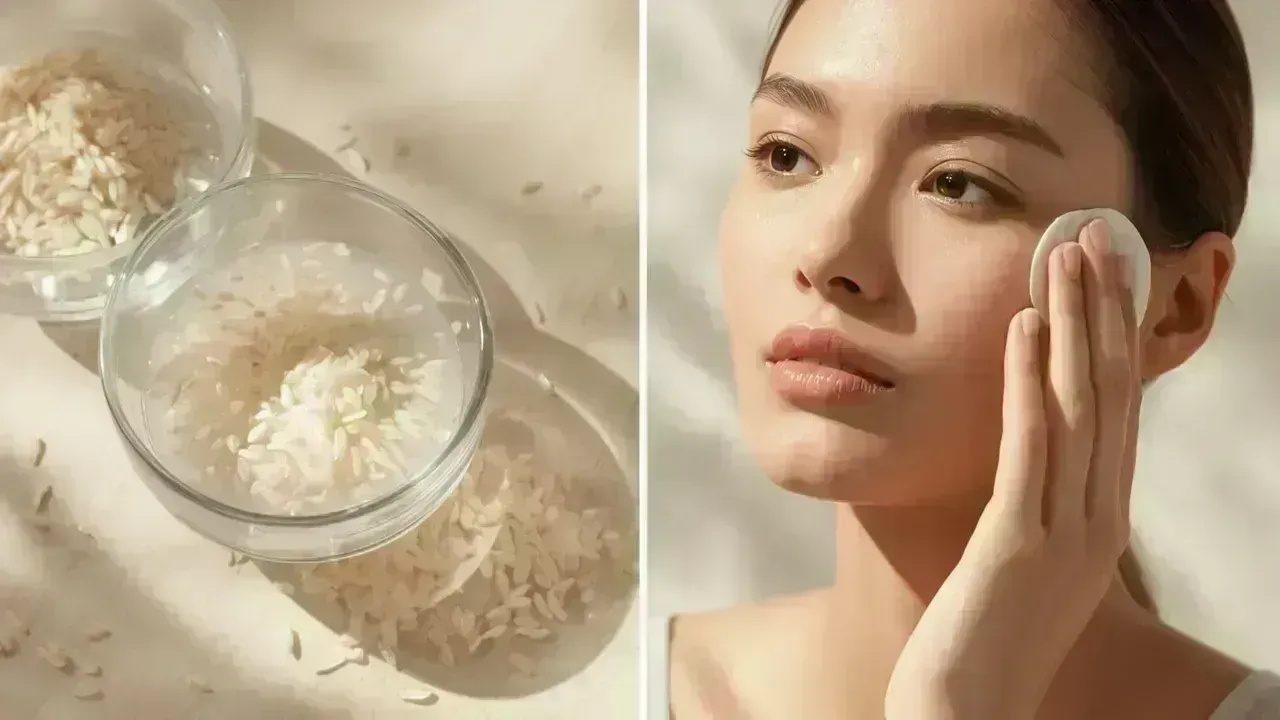
Rice water is the nutrient-rich liquid that remains after soaking or boiling rice. It’s packed with vitamins, amino acids, minerals, and antioxidants beneficial for supporting the skin barrier. Traditionally embraced in various Asian beauty regimes, rice water’s rise in popularity stems from its purported abilities to brighten skin, alleviate irritation, and enhance texture.
The growing interest in rice water for those with acne-prone skin originates from its potential soothing and oil-regulating effects. Nonetheless, experts affirm that natural ingredients must be approached with care, especially when dealing with sensitive or inflamed skin.
1. May Alleviate Skin Irritation
Individuals with acne-prone skin often face inflammation and sensitivity. Rice water has compounds that could potentially soothe irritated skin, offering temporary relief from redness or discomfort, especially when used as part of a simple regimen.
Since acne treatments can exacerbate dryness or irritation, mild ingredients enhancing skin comfort may positively contribute to overall balance.
2. Supports the Skin Barrier
Maintaining a healthy skin barrier is vital for managing acne. When compromised, sensitivity and irritation can increase. Rice water contains nutrients that may help retain moisture and reinforce barrier function when used properly.
Keeping the barrier intact can mitigate excessive dryness and bolster skin resilience over time.
3. May Regulate Excess Oil for Some Users
Some users report that rice water helps in reducing oiliness. As excess oil contributes to acne, this potential benefit is why many with acne-prone skin are intrigued by its use.
However, results can differ based on skin type; what alleviates oiliness for one might lead to dryness for another.
4. Rich in Antioxidants for Skin Health
Rice water is also rich in antioxidants, which may shelter the skin from environmental stressors. While this doesn’t directly treat acne, healthier skin may recuperate more rapidly from irritation and inflammation.
1. Not a Proven Acne Solution
A common myth surrounding rice water is that it can “cure” acne. Dermatologists advise against relying on it as a primary treatment, as managing acne often requires a dedicated approach tailored to its severity and root causes.
Though rice water may provide comfort for some, it should not replace medically endorsed treatments when necessary.
2. Homemade Versions May Irritate
Not all rice water creations are identical. Homemade preparations can ferment or be contaminated if improperly stored, which may irritate sensitive skin, particularly if used too frequently.
Those with reactive skin may experience irritation, itching, or worse breakouts upon usage.
3. Overuse Can Disturb Skin Balance
Excess application of any skincare product, even natural ones, may throw off skin equilibrium. Overdoing rice water can lead to tightness or dryness for some individuals.
Experts often recommend gradually introducing new skincare products and paying attention to skin reactions over time.
4. Professional Care for Severe Acne Types
Moderate to severe acne, including cystic acne, typically necessitates consultations with professionals. Delaying necessary care in favor of home remedies can aggravate inflammation and elevate scarring risks.
This underlines why dermatologists see rice water as a supportive ingredient rather than a foolproof answer.
Skincare professionals advocate caution and simplicity when using rice water for acne-prone skin.
Some general tips include:
Conduct a patch test before broader application
Utilize freshly prepared rice water whenever feasible
Limit application frequency
Cease use if irritation occurs
Integrate within a gentle skincare routine
Avoid combining too many DIY treatments as this may overwhelm acne-prone skin.
Individuals with extremely sensitive skin, eczema, compromised skin barriers, or severe inflammatory acne should exercise added caution. Reactions can vary considerably among different skin types.
If symptoms worsen post-usage, it’s advisable to stop and consult a skincare expert.
Rice water might possess some soothing and supportive qualities for those with acne-prone skin, especially when carefully integrated as part of a balanced skincare approach. However, managing expectations remains key. While improvements in skin comfort or oil balance may be noted by some, rice water lacks scientific validation as an acne remedy.
Effective skincare often hinges on consistency, gentle products, proper hygiene, and an understanding of one's unique skin needs. While natural solutions can complement this journey, professional advice is crucial for ongoing or severe acne issues.
This article serves informational purposes and should not replace professional dermatological counsel. Individual reactions may vary. Always consult a qualified dermatologist for persistent or severe skincare concerns.










Anticipated Dates for UAE Eid Al Adha 2026 Unveiled by Astronomical Experts
Experts predict Eid Al Adha 2026 in the UAE to start on May 27, prompting early holiday planning amo

DAE Achieves Remarkable Growth in Q1 2026 With Record Revenue
Dubai Aerospace Enterprise announces impressive financial results for Q1 2026, reflecting a surge in

Price Increase for Sony PS5 in Southeast Asia Effective May 1
Sony announces a price increase for the PS5 across Southeast Asia starting May 1, 2026, impacting ga

Potential ‘Super El Niño’ in 2026: Understanding the Climate Risks
Could a Super El Niño emerge in 2026? Discover its implications and potential global climate impacts

Global Energy Crisis Intensifies: Markets React to Oil Supply Challenges
Markets are on edge as oil disruptions escalate, influencing prices and economic stability. Explore

Must-See Tourist Spots in London You Can't Overlook
Explore London's essential attractions, from royal landmarks to vibrant markets, ensuring an unforge




