Post by : Mikhael Nasser
For centuries, henna has served as a trusted, natural alternative for hair coloring and care. Even in an era dominated by chemical dyes, many prefer henna for its gentle touch and health benefits for the scalp and hair. However, the final outcome largely hinges on the preparation and application of henna. Common pitfalls, such as using expired powder or washing hair prematurely, can hinder the vibrancy of the color.
Hair experts assert that a few simple adjustments can elevate your henna experience significantly. If you're looking for richer color, enhanced shine, and resilient hair, mastering the proper technique is key.
Here are six expert tips to ensure optimal henna outcomes each time.
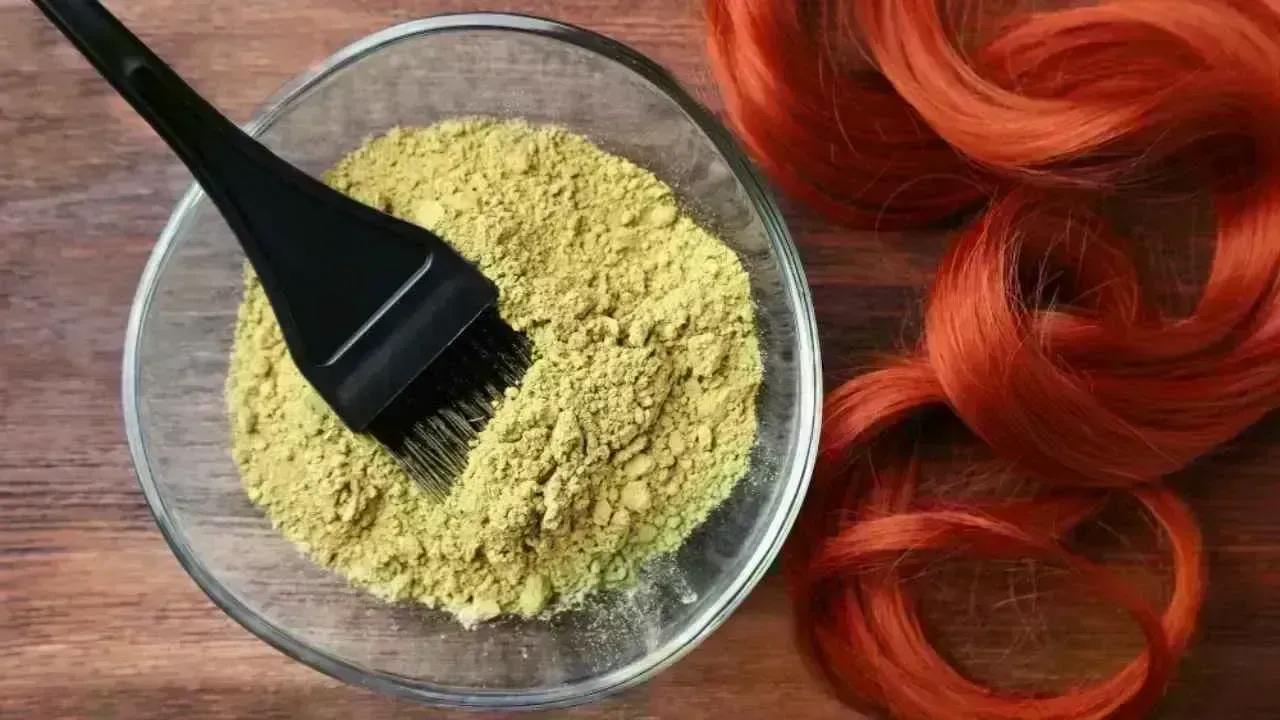
The effectiveness of your henna application is influenced by the quality of the powder. Fresh henna typically presents a vibrant green hue and emits a potent earthy fragrance. If the powder appears dull or brownish, its potency may have diminished, leading to a less impactful color.
Using fresh henna offers:
Enhanced color release
A silkier paste
More durable results
Experts recommend storing henna in a sealed container and in a cool, dry place.
One frequent mistake is applying henna right after mixing. Allowing the henna to rest after mixing with warm water enables it to release its natural color effectively.
Mixing instructions:
Use warm water—neither too hot nor too cold
Mix until you achieve a smooth consistency
Cover the bowl
Allow it to rest for 6 to 8 hours
This resting phase enhances color depth and allows the paste to adhere better to your hair.
While henna is effective on its own, adding natural enhancers can lead to richer shades and softer hair. Many specialists incorporate common kitchen ingredients to amplify the mixture.
Beneficial additives include:
Intensifies the brown tint and imparts a glossy finish.
Deepens the color and reinforces the tint.
Keeps hair hydrated and alleviates dryness post-wash.
Adds softness, particularly if your hair is frizzy.
Helps minimize hair loss and soothes the scalp.
These additives transform henna into a dual-purpose hair mask that both colors and conditions your hair.
Henna struggles to adhere to greasy or conditioned hair. Any residue can create a barrier, preventing the color from taking hold.
Before application:
Cleanse your hair with a mild shampoo
Skip the conditioner
Allow hair to dry naturally
Clean hair ensures an even distribution of color from roots to ends.
Henna requires time to yield optimal results. Washing it off prematurely may produce a diluted, uneven color.
Experts recommend:
2 hours for a subtle tint
3–4 hours for a deeper, richer tone
Ensure the paste remains moist throughout. When it dries completely, it can render the hair stiff. Using a shower cap or plastic wrap helps maintain moisture and aids in deeper color penetration.
Henna continues to darken post-wash. Using shampoo immediately may diminish some of the vibrancy.
After applying henna:
Rinse out with plain water
Avoid using shampoo for a full day
You may shampoo and condition the following day
This method allows the color to develop more fully and achieve a lasting richness.
A few minor habits can further enhance your henna application:
Apply oil around the forehead and ears to prevent staining
Wear gloves to keep hands clean
Divide hair into sections for even application
Use a wide-tooth comb post-rinse to gently eliminate leftover paste
Reapply henna every 3–4 weeks for naturally vibrant and healthy hair
Despite the availability of synthetic hair colors, henna continues to be a favorite due to its myriad benefits:
Strengthens hair roots
Aids in reducing dandruff
Provides natural shine
Thickens hair with consistent use
Free from harsh chemicals
For those seeking a safe and natural route to beautifully maintained hair, henna remains a standout option.
With proper application techniques, henna offers striking, natural-looking color and shine. From using fresh powder and correct mixing to ensuring a clean application and appropriate washing, every step significantly influences the results. By adhering to these guidelines, you can achieve deeper hues, healthier hair roots, and a vibrant shine—completely chemical-free.
This article serves to inform and reflect common hair-care practices. Individual results may vary based on hair type, scalp condition, sensitivities, and health. For those with sensitive skin, existing scalp issues, or known herbal reactions, a patch test or consultation with a dermatologist is advised prior to henna application. This content should not replace professional medical or hair-care advice; always seek expert guidance if irritation, hair fall, or discomfort occurs post-henna use.









Anticipated Dates for UAE Eid Al Adha 2026 Unveiled by Astronomical Experts
Experts predict Eid Al Adha 2026 in the UAE to start on May 27, prompting early holiday planning amo

DAE Achieves Remarkable Growth in Q1 2026 With Record Revenue
Dubai Aerospace Enterprise announces impressive financial results for Q1 2026, reflecting a surge in

Price Increase for Sony PS5 in Southeast Asia Effective May 1
Sony announces a price increase for the PS5 across Southeast Asia starting May 1, 2026, impacting ga

Potential ‘Super El Niño’ in 2026: Understanding the Climate Risks
Could a Super El Niño emerge in 2026? Discover its implications and potential global climate impacts

Global Energy Crisis Intensifies: Markets React to Oil Supply Challenges
Markets are on edge as oil disruptions escalate, influencing prices and economic stability. Explore

Must-See Tourist Spots in London You Can't Overlook
Explore London's essential attractions, from royal landmarks to vibrant markets, ensuring an unforge




