Post by : Shweta
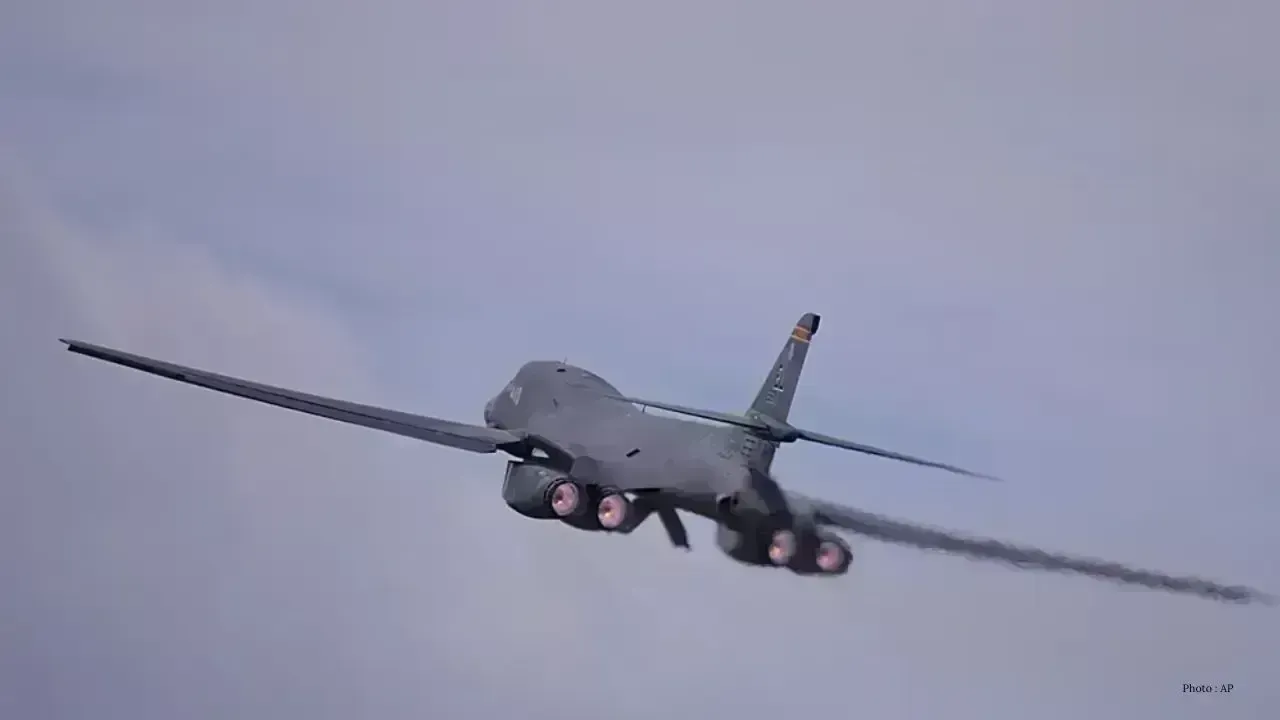
In a decisive move, the United States military has executed another strike on Iranian positions, just days following a prior military engagement in the region. This escalation further complicates the delicate negotiations between Washington and Tehran, particularly as President Donald Trump voices his impatience with the slow pace of diplomacy.
U.S. officials have labeled the recent operation as “defensive strikes”, targeting Iranian military components near the crucial Strait of Hormuz after reports of threats from Iranian drones. U.S. Central Command successfully intercepted four Iranian drones that were navigating near shipping lanes and subsequently hit a drone control site in Bandar Abbas, which was allegedly gearing up for another assault.
The Strait of Hormuz is vital for global oil transport, handling a significant share of daily oil shipments. Military tensions in this area can ripple out, influencing global energy markets and raising international security alarm bells. Analysts responded to the strikes by expressing heightened concerns regarding oil price fluctuations and stability in the Gulf.
Iran has condemned the U.S. military actions, accusing the U.S. of breaching ceasefire agreements connected to recent hostilities. Iranian authorities labeled the strikes as aggressive provocations, asserting their commitment to defending national interests should further attacks occur. Following these events, Iranian media suggested possible retaliations aimed at U.S. positions in the region.
During a Cabinet meeting in Washington, President Trump intensified pressure, stating that Iran's negotiating position was faltering due to the impact of sanctions and military setbacks. He reiterated that the U.S. would not agree to a weak deal simply due to political pressures.
The president emphasized ongoing U.S. efforts to prevent Iran from advancing its nuclear ambitions while safeguarding shipping lanes and American troops stationed in the Middle East. Nevertheless, he acknowledged the challenges in negotiations and the military options still on the table should diplomacy fail.
Despite military actions, diplomatic channels have not entirely collapsed. There are reports that regional mediators, including representatives from Oman, are working to keep tensions in check and avert broader conflict. Analysts, however, argue that the recent strikes greatly complicate prospects for any immediate diplomatic breakthroughs.
Political analysts assert that the situation underscores the mounting challenges for both nations. The U.S. is pressing for stringent limitations on Iran’s nuclear programs and military engagements, while Iran demands a rollback of sanctions alongside recognition of its regional standing before considering substantial compromises.
The ongoing conflict has sparked concerns among U.S. allies and within international energy markets. Several nations are now keeping a closer eye on Gulf shipping activities due to fears that ongoing military incidents could jeopardize international trade and oil supplies.
Defense experts caution that even minor engagements could escalate rapidly with retaliatory actions from both sides. This delicate situation is further complicated by the presence of American military bases and commercial ships throughout the region.
As behind-the-scenes diplomatic negotiations resume, the latest military strikes reveal that tensions between the U.S. and Iran remain critically unstable, despite ongoing discussions. Global leaders are now advocating for restraint while observing whether the situation will devolve into further hostilities or lead to renewed diplomatic efforts.








Meta Unveils Subscription Plans for Instagram, Facebook, and WhatsApp
Meta introduces new subscription plans for users of Instagram, Facebook, and WhatsApp, featuring enh

Suvarna Joy on Education Leadership, Resilience, and Building Purpose Through Adversity in the UAE
Suvarna Joy shares her journey of education leadership, motherhood, faith, and resilience within the

Anticipated Dates for UAE Eid Al Adha 2026 Unveiled by Astronomical Experts
Experts predict Eid Al Adha 2026 in the UAE to start on May 27, prompting early holiday planning amo

DAE Achieves Remarkable Growth in Q1 2026 With Record Revenue
Dubai Aerospace Enterprise announces impressive financial results for Q1 2026, reflecting a surge in

Price Increase for Sony PS5 in Southeast Asia Effective May 1
Sony announces a price increase for the PS5 across Southeast Asia starting May 1, 2026, impacting ga

Potential ‘Super El Niño’ in 2026: Understanding the Climate Risks
Could a Super El Niño emerge in 2026? Discover its implications and potential global climate impacts




