Post by : Bianca Suleiman
In a startling escalation, the United States and Iran exchanged fire on Thursday, testing the resolve of their month-long ceasefire and raising alarm over stability in the Strait of Hormuz. Despite the hostilities, both nations have indicated they are eager to avoid further escalation.
Iranian military reports suggest US forces targeted two vessels approaching the Strait and conducted airstrikes within Iranian territory. The Iranian government claimed these strikes impacted civilian regions on Qeshm Island, as well as coastal areas such as Bandar Khamir and Sirik.
In retaliation, Iran stated that its military targeted US naval vessels positioned to the east of the Strait and south of Chabahar. Iran's Khatam al-Anbiya Central Headquarters asserted that their actions inflicted “significant damage” on American forces.
The US Central Command (CENTCOM) refuted these allegations, claiming that no harm came to its vessels and dismissed reports of damage. The American military confirmed that Iran launched missiles, drones, and small crafts aimed at three US Navy destroyers.
Responding to the provocations, CENTCOM stated that US forces had targeted Iranian missile and drone sites alongside other military assets. They reiterated that while they are not looking for further conflict, they remain ready to safeguard their troops in the area.
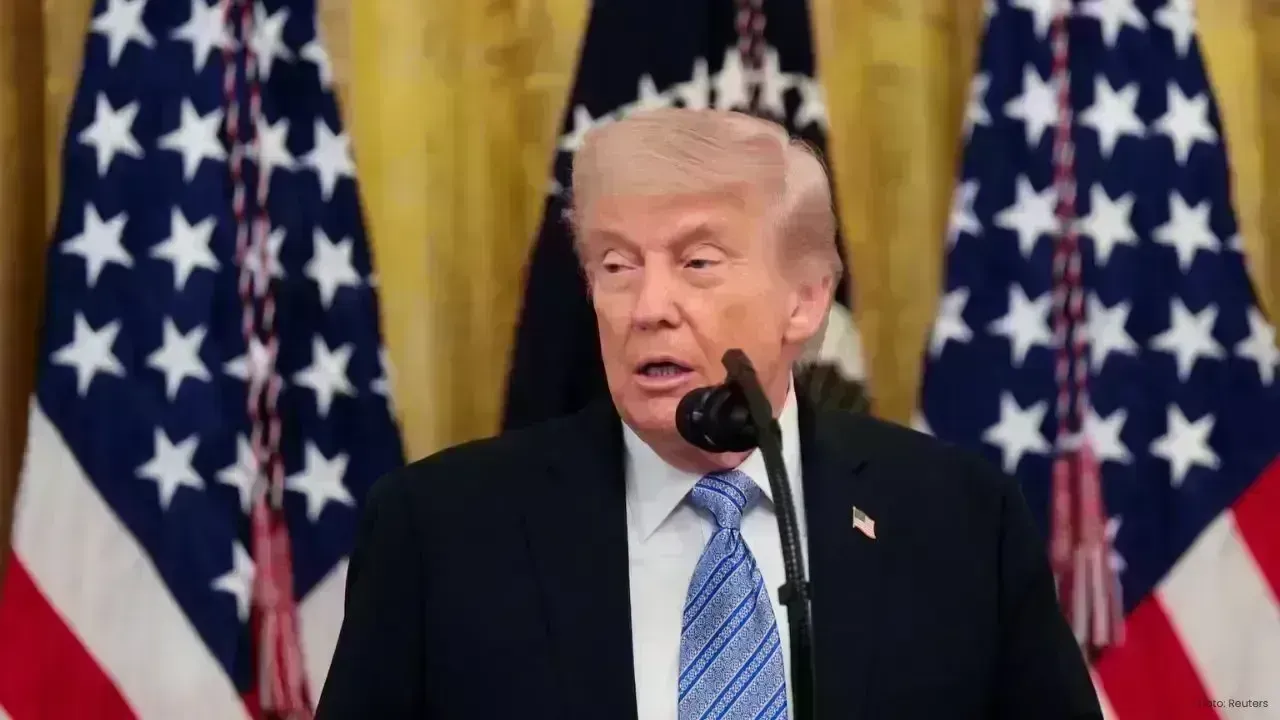
President Donald Trump downplayed the situation, affirming the continuation of the ceasefire.
“They trifled with us today. We blew them away,” Trump remarked to reporters while at the Lincoln Memorial in Washington.
Following several hours of confrontations, Iran announced a return to normalcy. State media reported calm across islands and coastal cities adjacent to the Strait.
This latest hostilities occur as the US awaits Iran's feedback to a proposal intended to formally conclude ongoing conflicts. This draft reportedly leaves key points unresolved, including Iran's nuclear ambitions and the reopening of the vital shipping route through the Strait of Hormuz.
Pre-conflict, the Strait of Hormuz was a critical passage for nearly one-fifth of the global oil and gas supply.
Trump asserted that negotiations with Iran are ongoing, affirming that Tehran acknowledges it will never achieve nuclear weapon capabilities.
“There’s zero chance. And they know that, and they’ve agreed to that,” he stated regarding the proposed arrangements.
While tensions have flared, both parties have shown a willingness to engage in diplomatic efforts, though doubts linger about reaching a conclusive agreement.






Meta Unveils Subscription Plans for Instagram, Facebook, and WhatsApp
Meta introduces new subscription plans for users of Instagram, Facebook, and WhatsApp, featuring enh

Suvarna Joy on Education Leadership, Resilience, and Building Purpose Through Adversity in the UAE
Suvarna Joy shares her journey of education leadership, motherhood, faith, and resilience within the

Anticipated Dates for UAE Eid Al Adha 2026 Unveiled by Astronomical Experts
Experts predict Eid Al Adha 2026 in the UAE to start on May 27, prompting early holiday planning amo

DAE Achieves Remarkable Growth in Q1 2026 With Record Revenue
Dubai Aerospace Enterprise announces impressive financial results for Q1 2026, reflecting a surge in

Price Increase for Sony PS5 in Southeast Asia Effective May 1
Sony announces a price increase for the PS5 across Southeast Asia starting May 1, 2026, impacting ga

Potential ‘Super El Niño’ in 2026: Understanding the Climate Risks
Could a Super El Niño emerge in 2026? Discover its implications and potential global climate impacts




