Post by : Mikhael Nasser
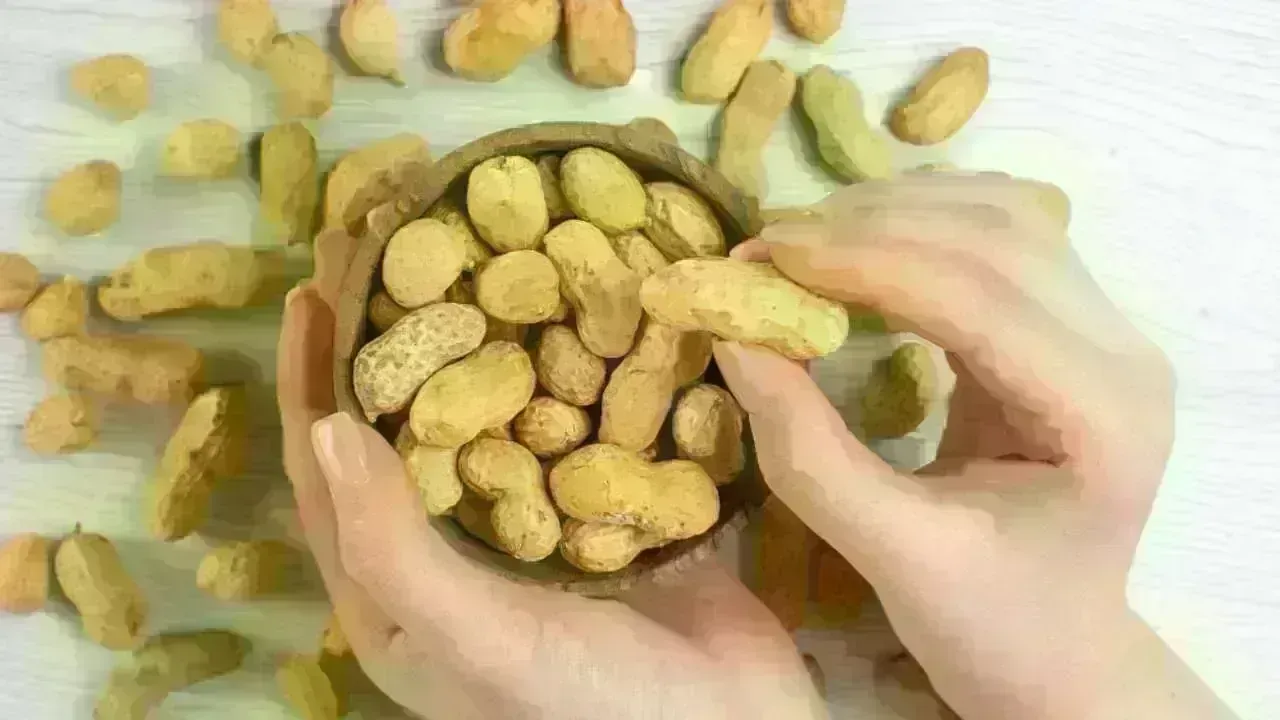
As the chill of winter arrives, dietary choices often shift. The cold weather encourages people to seek foods that provide warmth, energy, and protection against seasonal ailments like colds and fatigue. One staple that emerges during this season is peanuts. Affordable and accessible, peanuts are enjoyed by many, often prepared as roasted, boiled, or as part of various winter snacks both at home and on the streets.
Yet, many individuals question the health implications of consuming peanuts in winter. This article outlines the reasons for peanut consumption during the colder months, their associated health benefits, and key precautions to consider while indulging.
Peanuts are regarded as a warming food option. In winter, the body's energy requirement increases to maintain warmth, and peanuts, rich in healthy fats and calories, aid this need. Consequently, people often find themselves feeling satiated and energized after enjoying peanuts on chilly days.
Additionally, peanuts can be stored conveniently without spoiling quickly and require minimal preparation, making them a go-to winter snack for bustling households.
Peanuts offer significant energy levels. Colder temperatures can often cause lethargy; however, incorporating peanuts into meals can help combat tiredness, providing sustained energy throughout the day.
They are also protein-rich, aiding in muscle growth and repair, supporting overall body strength, especially beneficial for those engaged in manual labor or exercise.
The healthy fats found in peanuts contribute to maintaining body warmth and also promote heart health when consumed in moderation.
Moreover, these nuts are a source of essential vitamins and minerals like vitamin E, magnesium, and zinc, which bolster the immune system. This is vital in winter, when the spread of infections is more prevalent.
Peanuts can also curb hunger, helping to prevent cravings for unhealthy snacks by keeping you full for longer periods.
During the colder season, digestion often slows. Peanuts digest over time, contributing to keeping the body warm. However, it's essential to consume them in moderation to avoid potential issues.
Additionally, peanuts help combat dry skin associated with winter. Their natural oils nourish the skin from the inside out.
Despite their health benefits, overconsumption of peanuts can lead to problems. Being calorie-dense, excessive intake can result in weight gain.
Some individuals may experience digestive discomfort, such as gas or bloating, particularly if they're consumed late in the day, as peanuts are heavy and digest slowly.
Those with peanut allergies should steer clear completely, as even a small amount can trigger severe reactions.
Individuals with oily or acne-prone skin might notice breakouts if they consume peanuts frequently, hence moderation is encouraged.
For diabetics, prudent consumption is essential; consulting a healthcare provider before adding peanuts to their diet regularly is advisable.
Opt for roasted or boiled peanuts for a healthier winter treat. Homemade roasted peanuts without oil are more digestible compared to fried varieties.
Avoid peanuts that are heavily salted or deep-fried due to potential health risks.
Daytime consumption is preferred. Eating them earlier allows for adequate digestion.
A small handful is sufficient; consuming more does not enhance the benefits and may lead to adverse reactions.
Children should consume peanuts only under adult supervision to prevent choking hazards.
Older adults should limit their intake. If chewing is difficult, crushed peanuts or peanut paste may be a suitable alternative.
Individuals with gastrointestinal issues, acidity, or skin conditions should monitor their responses to peanuts closely.
When consumed correctly, peanuts can serve as a nutritious winter food, providing energy, promoting warmth, supporting immunity, and controlling appetite. Yet, moderation is key.
Every person’s body reacts differently; if peanuts agree with you, they can make for an excellent winter snack. Conversely, if they result in discomfort, cutting back or eliminating them may be wise.
For the majority, incorporating peanuts into the winter diet is both safe and advantageous, as long as balance and caution are maintained.
This article serves as general information only and is based on widely recognized dietary practices and health insights. It is not a substitute for professional medical advice, diagnosis, or treatment. Individual responses to food can vary. Readers should consult healthcare professionals or nutritionists prior to making significant dietary changes, especially if they have pre-existing health concerns.










Anticipated Dates for UAE Eid Al Adha 2026 Unveiled by Astronomical Experts
Experts predict Eid Al Adha 2026 in the UAE to start on May 27, prompting early holiday planning amo

DAE Achieves Remarkable Growth in Q1 2026 With Record Revenue
Dubai Aerospace Enterprise announces impressive financial results for Q1 2026, reflecting a surge in

Price Increase for Sony PS5 in Southeast Asia Effective May 1
Sony announces a price increase for the PS5 across Southeast Asia starting May 1, 2026, impacting ga

Potential ‘Super El Niño’ in 2026: Understanding the Climate Risks
Could a Super El Niño emerge in 2026? Discover its implications and potential global climate impacts

Global Energy Crisis Intensifies: Markets React to Oil Supply Challenges
Markets are on edge as oil disruptions escalate, influencing prices and economic stability. Explore

Must-See Tourist Spots in London You Can't Overlook
Explore London's essential attractions, from royal landmarks to vibrant markets, ensuring an unforge




