Post by : Saif Nasser
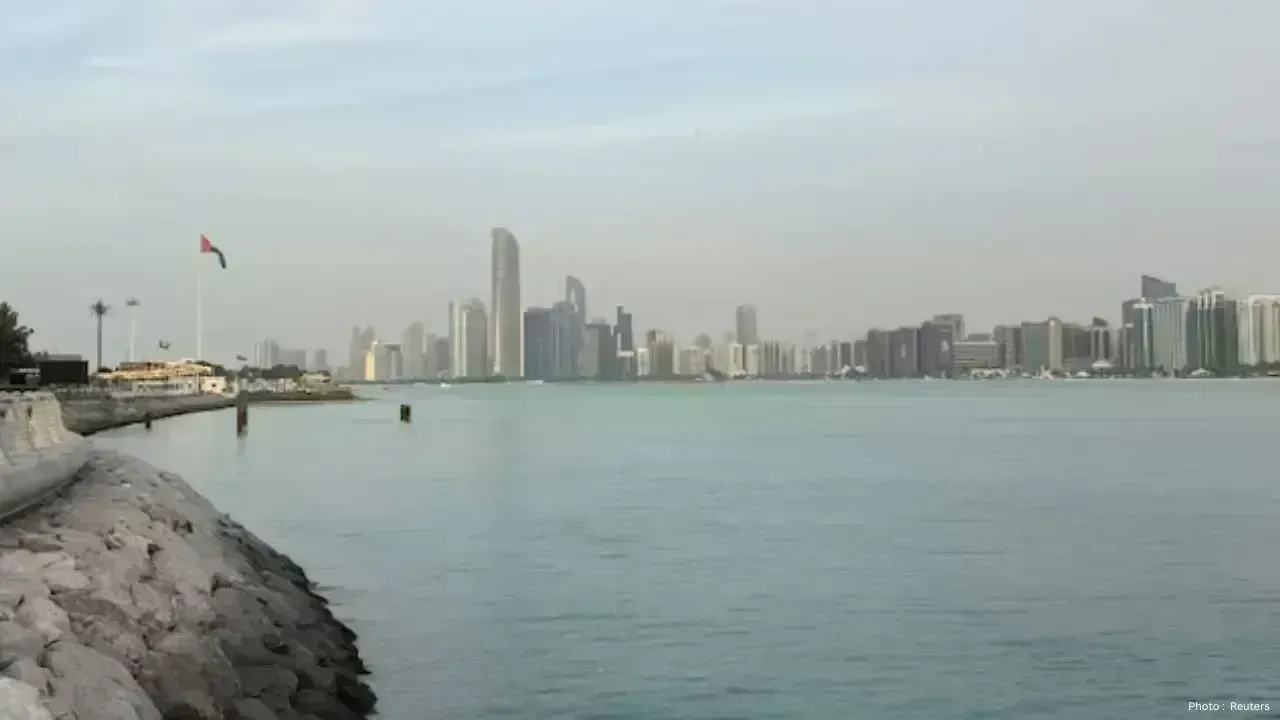
A drone attack near the Barakah Nuclear Power Plant in the United Arab Emirates has raised fresh concerns about safety and stability in the Middle East. UAE officials confirmed that the strike caused a fire in an area close to the facility, but no one was injured and there was no radiation leak.
The incident happened during a period of rising tensions across the region. Conflicts involving major powers and armed groups have already increased fears of wider instability. Because the Barakah plant is one of the UAE’s most important energy projects, the attack immediately drew international attention.
Authorities said emergency teams quickly controlled the fire and secured the area. Officials also explained that the nuclear plant itself continued operating safely without any interruption. Safety systems reportedly worked as planned, preventing the situation from becoming more serious.
The Barakah Nuclear Power Plant is the first nuclear energy facility in the Arab world. It plays a major role in providing electricity to homes, businesses, and industries across the UAE. The project was created to help the country reduce its dependence on oil while building cleaner and more stable energy sources for the future.
Even though the damage from the strike appeared limited, attacks near nuclear facilities always create public fear. People often worry about possible radiation leaks, environmental harm, or long-term health risks. In this case, officials stressed that radiation levels remained normal and that there was no danger to nearby communities.
The incident also shows how drone warfare is changing modern conflicts. Drones are now used in many parts of the world because they are cheaper and harder to detect than traditional aircraft or missiles. In the Middle East, drones have increasingly targeted airports, oil fields, ports, and energy sites over the last several years.
Security experts believe such attacks are designed not only to cause physical damage but also to create fear and send political messages. A strike near a nuclear plant gains global attention very quickly because of the possible risks involved.
The UAE has invested heavily in security and defense systems to protect important infrastructure. However, this attack demonstrates that even highly protected facilities can still face threats from modern drone technology.
The event has also increased worries in global energy markets. The Gulf region is one of the world’s most important sources of oil and energy supplies. Any rise in tensions there can affect fuel prices, trade routes, and international business confidence.
Many countries are now closely watching the situation. International observers have urged calm and called on all sides to avoid actions that could lead to a larger regional conflict. Several experts warned that attacks involving sensitive infrastructure could increase instability and damage economic confidence across the Middle East.
For ordinary people living in the region, incidents like this create uncertainty about safety and the future. Families, workers, and businesses all depend on peace and stability. When major facilities become targets, public concern naturally grows.
At the same time, the incident highlights the importance of diplomacy and communication between nations. Military tensions can quickly spread beyond borders, especially in areas where energy infrastructure is closely connected to the global economy.
The UAE has spent years building an image as a stable center for tourism, business, and investment. Quick emergency action and clear public communication helped reduce panic after the strike. Still, the attack serves as a reminder that regional tensions continue to pose serious risks.
Although no injuries or radiation leaks were reported, the psychological impact of the attack remains significant. A strike near a nuclear facility is enough to alarm people around the world and renew debates about regional security.
The Middle East now faces another important moment. Leaders across the region will need to decide whether to move toward dialogue and stability or allow tensions to grow further. The choices made in the coming weeks could shape the region’s future for years ahead.








Anticipated Dates for UAE Eid Al Adha 2026 Unveiled by Astronomical Experts
Experts predict Eid Al Adha 2026 in the UAE to start on May 27, prompting early holiday planning amo

DAE Achieves Remarkable Growth in Q1 2026 With Record Revenue
Dubai Aerospace Enterprise announces impressive financial results for Q1 2026, reflecting a surge in

Price Increase for Sony PS5 in Southeast Asia Effective May 1
Sony announces a price increase for the PS5 across Southeast Asia starting May 1, 2026, impacting ga

Potential ‘Super El Niño’ in 2026: Understanding the Climate Risks
Could a Super El Niño emerge in 2026? Discover its implications and potential global climate impacts

Global Energy Crisis Intensifies: Markets React to Oil Supply Challenges
Markets are on edge as oil disruptions escalate, influencing prices and economic stability. Explore

Must-See Tourist Spots in London You Can't Overlook
Explore London's essential attractions, from royal landmarks to vibrant markets, ensuring an unforge




