Post by : Saif Nasser
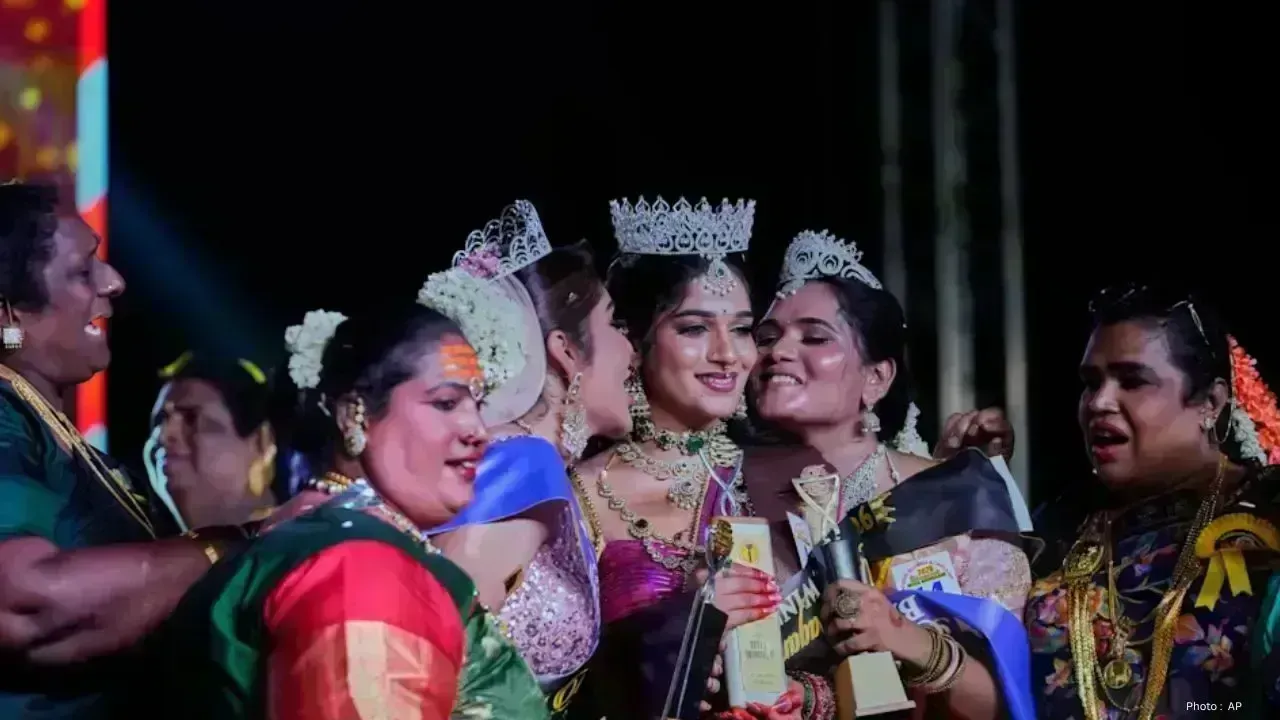
Koovagam festival in southern India is one of the largest gatherings of the transgender community, where faith, tradition, and identity come together in a powerful way. The event is held every year in the village of Koovagam in Tamil Nadu and attracts thousands of participants from across the country.
The festival is based on a story from the Hindu epic Mahabharata. It is connected to the character Aravan, who was sacrificed for a war victory but wished to marry before his death. According to tradition, the god Krishna took a female form and married Aravan. This story is central to the rituals performed at Koovagam.
During the festival, transgender women symbolically “marry” Aravan at a temple. Priests perform the rituals, and participants wear traditional clothes, flowers, and marriage symbols. This moment is filled with emotion, faith, and a sense of belonging for many attendees.
After the marriage rituals, the festival takes a dramatic turn. The next day, Aravan is symbolically “killed,” and participants perform mourning rituals. They remove their marriage symbols, break bangles, and wear white clothes to represent widowhood. This change from celebration to grief is a key part of the tradition.
Along with religious rituals, the festival also includes cultural events such as dance performances and the popular Miss Koovagam beauty pageant. These events give participants a chance to express themselves, build confidence, and celebrate identity.
For many transgender people, Koovagam is more than a festival. It is a rare space where they are accepted, respected, and able to live openly without fear. Many participants say they face discrimination in daily life, but during the festival they feel included and safe.
The event also highlights the social struggles of the transgender community in India. Many still face challenges in education, employment, housing, and healthcare. Because of this, the festival becomes both a cultural celebration and a moment of emotional support.
Over the years, Koovagam has grown into an important symbol of visibility and rights for transgender people. It brings attention to issues of equality and acceptance while also preserving a centuries-old tradition.
Despite the challenges, the atmosphere at the festival remains vibrant and emotional. Music, rituals, and community gatherings fill the village, turning it into a space of celebration and reflection.
The Koovagam festival continues to stand as a unique example of how tradition and identity can come together, offering both spiritual meaning and a sense of belonging to thousands of people each year.






Anticipated Dates for UAE Eid Al Adha 2026 Unveiled by Astronomical Experts
Experts predict Eid Al Adha 2026 in the UAE to start on May 27, prompting early holiday planning amo

DAE Achieves Remarkable Growth in Q1 2026 With Record Revenue
Dubai Aerospace Enterprise announces impressive financial results for Q1 2026, reflecting a surge in

Price Increase for Sony PS5 in Southeast Asia Effective May 1
Sony announces a price increase for the PS5 across Southeast Asia starting May 1, 2026, impacting ga

Potential ‘Super El Niño’ in 2026: Understanding the Climate Risks
Could a Super El Niño emerge in 2026? Discover its implications and potential global climate impacts

Global Energy Crisis Intensifies: Markets React to Oil Supply Challenges
Markets are on edge as oil disruptions escalate, influencing prices and economic stability. Explore

Must-See Tourist Spots in London You Can't Overlook
Explore London's essential attractions, from royal landmarks to vibrant markets, ensuring an unforge




