Post by : Shweta
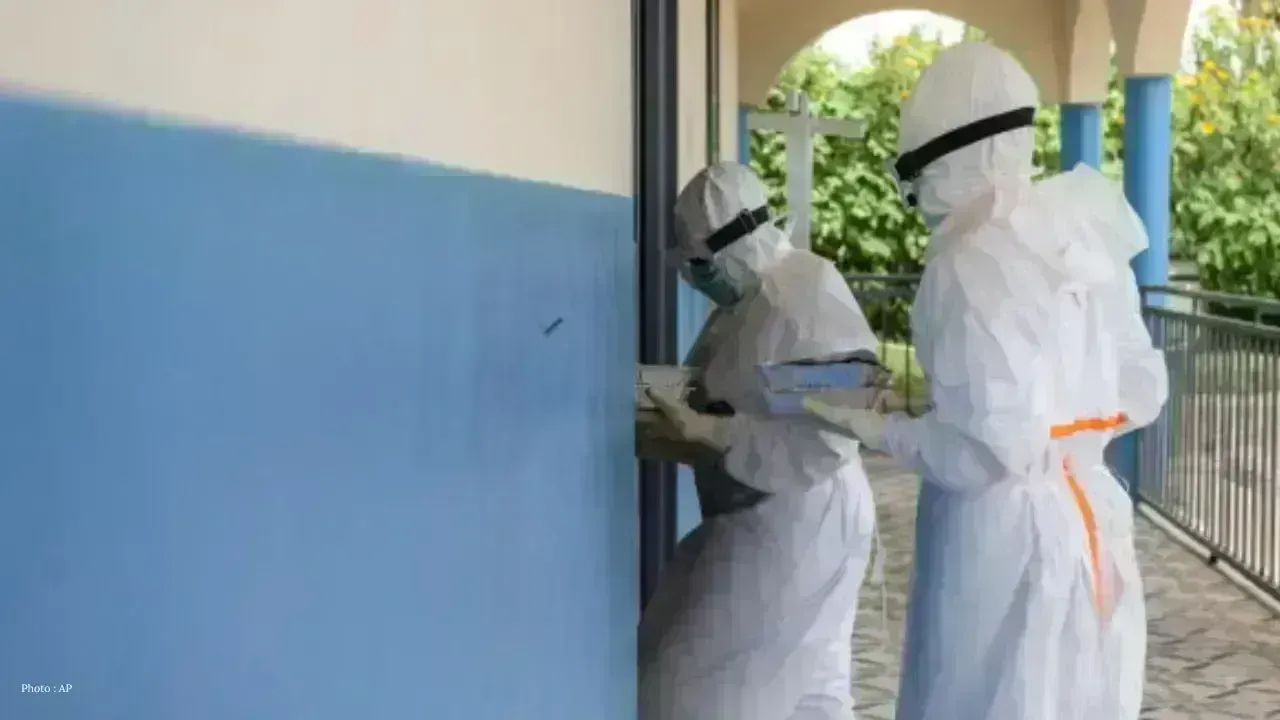
Health specialists have raised alarms regarding the ongoing Ebola outbreak in the Democratic Republic of the Congo (DRC), predicting that it may take numerous years to fully manage the crisis. This situation poses risks to public health, affects local communities, and threatens regional stability. The cautionary note comes as medical authorities strive to combat the lethal virus in isolated regions with limited healthcare access, facing major obstacles in their response efforts.
In light of the outbreak, national health officials, international aid organizations, and medical professionals have mobilized urgently to curtail the virus's spread. Although advancements in Ebola treatments and vaccination methods have been made, experts point out that several persistent challenges hinder containment. Factors such as inadequate healthcare resources, population movement, security issues, and difficulties in accessing affected areas complicate the response.
Ebola remains a serious and often deadly disease, transmitted through direct contact with the fluids of infected persons or contaminated materials. Common symptoms include fever, fatigue, muscle pain, vomiting, diarrhea, and, in severe instances, internal or external bleeding. Even though modern vaccines and treatments have significantly improved survival rates, Ebola continues to be one of the world’s most perilous infectious diseases.
Experts observing the current outbreak point out that unique challenges arise in some regions that are hard to access. Insufficient transportation options and lack of medical facilities slow efforts to recognize new cases, isolate the infected, and monitor individuals who may have been exposed. Medical personnel often must journey long distances under challenging conditions to reach at-risk communities.
Another substantial concern relates to community trust. Public health officials emphasize that effective outbreak control is heavily reliant on collaboration between citizens and healthcare teams. Past Ebola outbreaks demonstrated that misinformation, fear, and distrust of authorities could hinder response initiatives. Experts highlight the necessity of fostering strong relationships with local populations to encourage symptom reporting, treatment seeking, and participation in vaccination drives.
International agencies have dispatched medical staff, supplies, and technical expertise to support local entities. Vaccination initiatives are being intensified near confirmed cases, while contact-tracing teams strive to identify those who had interactions with infected individuals. Similar efforts have been effective in previous outbreaks and are crucial for the current response.
Experts express caution that even when case counts start to drop, Ebola outbreaks typically necessitate prolonged monitoring periods before being officially declared over. Health authorities must ensure no concealed transmission chains persist and that new infections are swiftly identified and addressed. This process could span months or, in more complex situations, years.
The Democratic Republic of the Congo has undergone numerous Ebola outbreaks throughout the decades, acquiring valuable experience in handling the virus. However, repeated outbreaks continually exert strain on healthcare systems already battling other infectious diseases and broader public health hurdles.
Medical authorities stress that ongoing international support will be vital in the months to come. Resources such as funding, vaccines, laboratory testing, protective gear, and trained personnel are crucial in managing outbreaks and preventing wider transmission. Without consistent access to these resources, experts warn that progress could face setbacks, increasing the risk of further infections.
Currently, there are no indications that the outbreak presents a significant global risk, yet health authorities remain alert. Monitoring frameworks are established to track cases and avert cross-border transmission. Neighboring nations are enhancing surveillance efforts to promptly detect any potential infections that might emerge outside the afflicted regions.
At present, health officials focus on controlling the outbreak, treating patients, and safeguarding at-risk communities. Experts assert that despite noteworthy advancements in combating Ebola over the years, the current outbreak in the DRC serves as a stark reminder that infectious diseases remain a long-lasting challenge. Their position is clear: while managing the outbreak is achievable, it may demand patience, resources, and extended effort before the threat is completely eradicated.








Achieve Radiant Skin with This Simple Rice Flour Treatment
Transform your skincare routine! Discover how a rice flour mix can restore your skin's glow without

Meta Unveils Subscription Plans for Instagram, Facebook, and WhatsApp
Meta introduces new subscription plans for users of Instagram, Facebook, and WhatsApp, featuring enh

Suvarna Joy on Education Leadership, Resilience, and Building Purpose Through Adversity in the UAE
Suvarna Joy shares her journey of education leadership, motherhood, faith, and resilience within the

Anticipated Dates for UAE Eid Al Adha 2026 Unveiled by Astronomical Experts
Experts predict Eid Al Adha 2026 in the UAE to start on May 27, prompting early holiday planning amo

DAE Achieves Remarkable Growth in Q1 2026 With Record Revenue
Dubai Aerospace Enterprise announces impressive financial results for Q1 2026, reflecting a surge in

Price Increase for Sony PS5 in Southeast Asia Effective May 1
Sony announces a price increase for the PS5 across Southeast Asia starting May 1, 2026, impacting ga




