Post by : Shakul
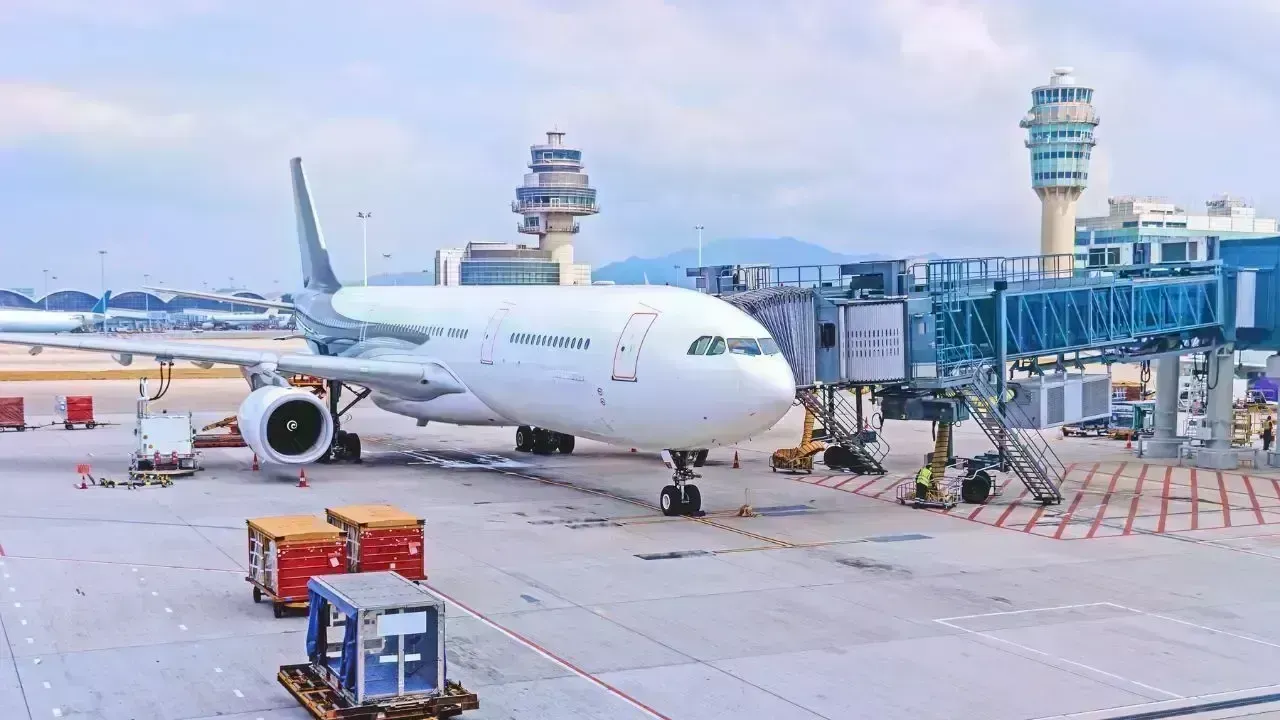
The capitals of India’s aviation, Delhi and Mumbai, have announced significant reductions in taxes on aviation turbine fuel, offering much-needed financial respite to airlines grappling with escalating global fuel prices and operational expenditures. This move aims to bolster airline profitability and uplift the aviation sector at a time of economic challenges.
Delhi has lowered its Value Added Tax on aviation turbine fuel from 25 percent to 7 percent for a duration of six months, while Maharashtra has similarly reduced Mumbai’s ATF tax from 18 percent to 7 percent for domestic flights. Experts suggest that such changes could greatly decrease fuel costs for airlines with expansive domestic and international operations.
The tax reductions come as airlines encounter intensifying pressure from soaring crude oil prices, currency depreciation, supply chain issues, and rising maintenance costs. Aviation stakeholders had cautioned the government about the unsustainable nature of fuel expenses, particularly following recent geopolitical instability in the Middle East.
Estimates from the airline industry indicate that fuel expenditures have recently climbed to approximately 55 to 60 percent of total operating costs, a notable increase from about 30 to 40 percent prior to the recent global energy crisis. This price surge has been influenced by disruptions in the Strait of Hormuz, a critical oil shipping passage.
Delhi and Mumbai are central to India’s aviation landscape, with their airports managing extensive passenger traffic and aircraft movements daily. The volume of fuel purchased at these airports means even modest tax reductions can yield substantial savings across airline operations.
Experts further noted that the lighter tax load could transform how airlines refuel. In recent years, many carriers resorted to fuel tankering practices—carrying excess fuel from lower-tax locations to mitigate costly refueling at major hubs. A reduction in taxes may now diminish the necessity for such strategies and enhance fuel efficiency.
Despite this financial boon for airlines, travelers might not immediately benefit from lower airfares. Analysts in aviation noted that ticket prices are primarily influenced by demand and aircraft availability, rather than direct fuel savings. Ongoing shortages of aircraft coupled with robust travel demand are likely to keep airfares high on numerous routes.
This recent move has reignited discussions among airlines calling for the inclusion of aviation turbine fuel under the Goods and Services Tax framework. Industry leaders assert that incorporating ATF into GST would streamline taxation, reduce operational hurdles, and ultimately lower costs within the aviation sector over time.









Anticipated Dates for UAE Eid Al Adha 2026 Unveiled by Astronomical Experts
Experts predict Eid Al Adha 2026 in the UAE to start on May 27, prompting early holiday planning amo

DAE Achieves Remarkable Growth in Q1 2026 With Record Revenue
Dubai Aerospace Enterprise announces impressive financial results for Q1 2026, reflecting a surge in

Price Increase for Sony PS5 in Southeast Asia Effective May 1
Sony announces a price increase for the PS5 across Southeast Asia starting May 1, 2026, impacting ga

Potential ‘Super El Niño’ in 2026: Understanding the Climate Risks
Could a Super El Niño emerge in 2026? Discover its implications and potential global climate impacts

Global Energy Crisis Intensifies: Markets React to Oil Supply Challenges
Markets are on edge as oil disruptions escalate, influencing prices and economic stability. Explore

Must-See Tourist Spots in London You Can't Overlook
Explore London's essential attractions, from royal landmarks to vibrant markets, ensuring an unforge




