Post by : Sami Jeet
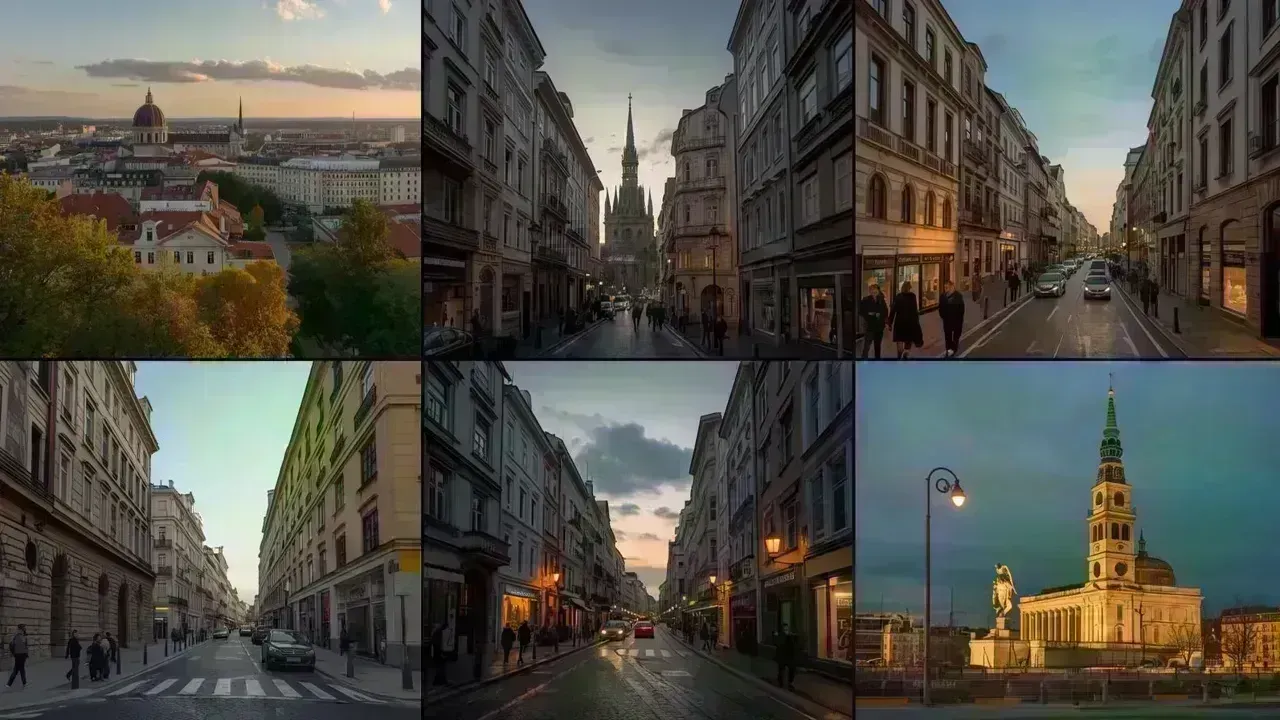
Planning a multi-city European adventure can appear daunting and costly. However, with the right approach, it can be manageable and budget-friendly. Many travelers mistakenly view Europe as a single expensive destination rather than a diverse collection of nations, each with unique costs, transportation, and travel insights. Budget travel in Europe is all about intelligent planning, not compromising on experiences.
This comprehensive guide offers a step-by-step strategy to organize your multi-city European itinerary on a budget, including route design, transport advice, accommodation options, culinary tips, attractions, daily expenditure, and effective cost-saving tactics.
Costs escalate when attempting to cover too much territory quickly, opting for central accommodations, and following crowded tourist paths.
Successful budget travel involves:
Focusing on regions instead of random cities
Mixing costly destinations with more affordable ones
Taking a slow approach, not hurrying
Finalizing logistics before purchasing flights
The aim should be to maximize experiences while minimizing spending.
Rather than haphazardly selecting cities across Europe, categorize destinations by regions.
Eastern Europe: Hungary, Czech Republic, Poland, Romania
Southern Europe: Portugal, Southern Spain, Greece (mainland), Italy outside major hubs
Balkans: Croatia, Albania, Montenegro, Serbia
Central Europe: Austria, Slovenia, Slovakia (mixed budgets)
While Western Europe can be included, it should be limited.
Traveling between cities that are close and well-connected significantly reduces expenses.
Avoid zigzagging routes
Travel in a single direction
Select cities that are linked by either trains or buses
Avoid backtracking
For example, a budget-savvy travel path could be:
Lisbon → Porto → Madrid → Barcelona → Nice → Milan
This helps cut down on flight reliance and conserves funds.
Visiting more cities doesn't guarantee a better experience.
2–4 days in each major city
1–2 days in smaller towns
At least 3 nights per base city
For a typical 15-day itinerary, 5–6 cities is ideal—beyond this can inflate transit costs and fatigue.
Flights usually take up the largest portion of a travel budget.
Flying into one city and out of another saves on unnecessary transit costs.
Choosing to land in Lisbon, Milan, Budapest, or Prague often proves to be more economical than Paris or London.
Book your flights 2–4 months in advance for optimal pricing
Mid-week departures usually cost less
Avoid flying on weekends
Even slight adjustments in dates can result in significant savings.
Europe’s low-cost carriers can save you money when utilized with caution.
Travel with only cabin luggage
Only book together seats if absolutely necessary
Print boarding passes when mandated
Consider how far airports are from city centers
Sometimes cheaper flights come with pricey transfer costs.
Europe is renowned for its efficient train and bus systems.
For short distances
For picturesque routes
On overnight trips
Booking early can yield substantial discounts.
For budget-conscious travel
For overnight rides
In Eastern and Southern Europe
While buses may take longer, they often offer much lower fares than trains.
Hotels aren’t your only option.
Hostels with private accommodations
Local guesthouses
Budget hotels located outside the city hub
Short-term rental apartments
Staying 10–15 minutes away from central areas can lead to better savings.
Prices decrease with longer accommodation stays.
Avail weekly discounts
Minimize check-in charges
Lower transportation expenses
Opting for leisurely travel is key to budget success.
Food is a highlight of European travel that shouldn't break the bank.
Choose breakfast from bakeries or grocery stores
Opt for lunch specials instead of dinner
Steer clear of restaurants near major tourist sites
Dine where locals enjoy meals
Street vendors and local cafés provide authentic dining at reduced costs.
Supermarkets across Europe offer quality food at reasonable prices.
Stock up on snacks and drinks
Prepare simple meals
Carry fruits and bread on excursions
This can lower daily costs by approximately 30–40%.
Entrance fees for attractions can accumulate quickly.
Utilize city passes judiciously
Visit free museums during free-entry days
Increase neighborhood exploration on foot
Skip the overly promoted attractions
The true charm of Europe often lies outside the paid venues.
Some of the best activities are entirely free.
Explore on foot with guided tours
Visit public view points
Discover local markets
Wander through historic districts
Free walking tours provide excellent value; gratuity is optional.
Urban transportation demands can drain your finances quietly.
Walk whenever possible
Purchase daily or multi-day transportation passes
Avoid utilizing taxis
Utilize trams and buses
With proper planning, many European cities are walk-friendly.
Projected daily costs (excluding flights):
Eastern Europe: €40–60
Southern Europe: €50–70
Western Europe: €70–100
Strategically balancing regions can help manage overall expenses.
Over-scheduling activities
Too frequent city changes
Delaying accommodation bookings
Neglecting location details for transport
Overpacking luggage
Simplifying your journey saves money.
Use cards that offer zero foreign transaction fees
Withdraw cash in larger increments
Avoid currency exchange services
Keep a light track of expenditures to prevent overspending
Financial mindfulness can help avoid unnecessary costs.
Always be prepared for:
City taxes
Luggage fees
Transfers to airports
Attraction add-ons
Small fees can accumulate quickly if overlooked.
Do not skip renowned cities—simply find balance.
Example:
Paris (3 days)
Prague (4 days)
Budapest (4 days)
Krakow (4 days)
This strategy keeps costs manageable.
The timing of your journey is crucial, often more than the destinations themselves.
From April to early June
From September to early November
Avoid peak summer unless absolutely necessary.
Rigid plans can be costlier.
Incorporate buffer days into your itinerary
Steer clear of non-refundable reservations
Allow for spontaneous local suggestions
Flexibility enhances experiences and can save money.
Arrive in Milan
Milan → Florence → Rome
Rome → Budapest (flight or overnight train)
Budapest → Vienna → Prague
Depart from Prague
This itinerary balances expenses, cultural experiences, and logistical efficiency.
Budget travel embraces conscious spending, focusing on meaningful experiences rather than low-quality alternatives. You invest in what matters while saving in other areas.
Successful travel planning in Europe yields rewards. When destinations are selected thoughtfully, transportation flows seamlessly, accommodations are wise, and dining habits are economical, Europe offers one of the most rewarding travel experiences available.
A thoughtfully crafted itinerary fosters adventure rather than limits it.
This article is intended for informational purposes only. Travel costs, visa regulations, transport options, and accommodation rates can fluctuate based on country, season, and personal preferences. Readers should verify current travel policies, pricing, and conditions prior to making commitments or financial decisions.





Anticipated Dates for UAE Eid Al Adha 2026 Unveiled by Astronomical Experts
Experts predict Eid Al Adha 2026 in the UAE to start on May 27, prompting early holiday planning amo

DAE Achieves Remarkable Growth in Q1 2026 With Record Revenue
Dubai Aerospace Enterprise announces impressive financial results for Q1 2026, reflecting a surge in

Price Increase for Sony PS5 in Southeast Asia Effective May 1
Sony announces a price increase for the PS5 across Southeast Asia starting May 1, 2026, impacting ga

Potential ‘Super El Niño’ in 2026: Understanding the Climate Risks
Could a Super El Niño emerge in 2026? Discover its implications and potential global climate impacts

Global Energy Crisis Intensifies: Markets React to Oil Supply Challenges
Markets are on edge as oil disruptions escalate, influencing prices and economic stability. Explore

Must-See Tourist Spots in London You Can't Overlook
Explore London's essential attractions, from royal landmarks to vibrant markets, ensuring an unforge




