Post by : Shweta
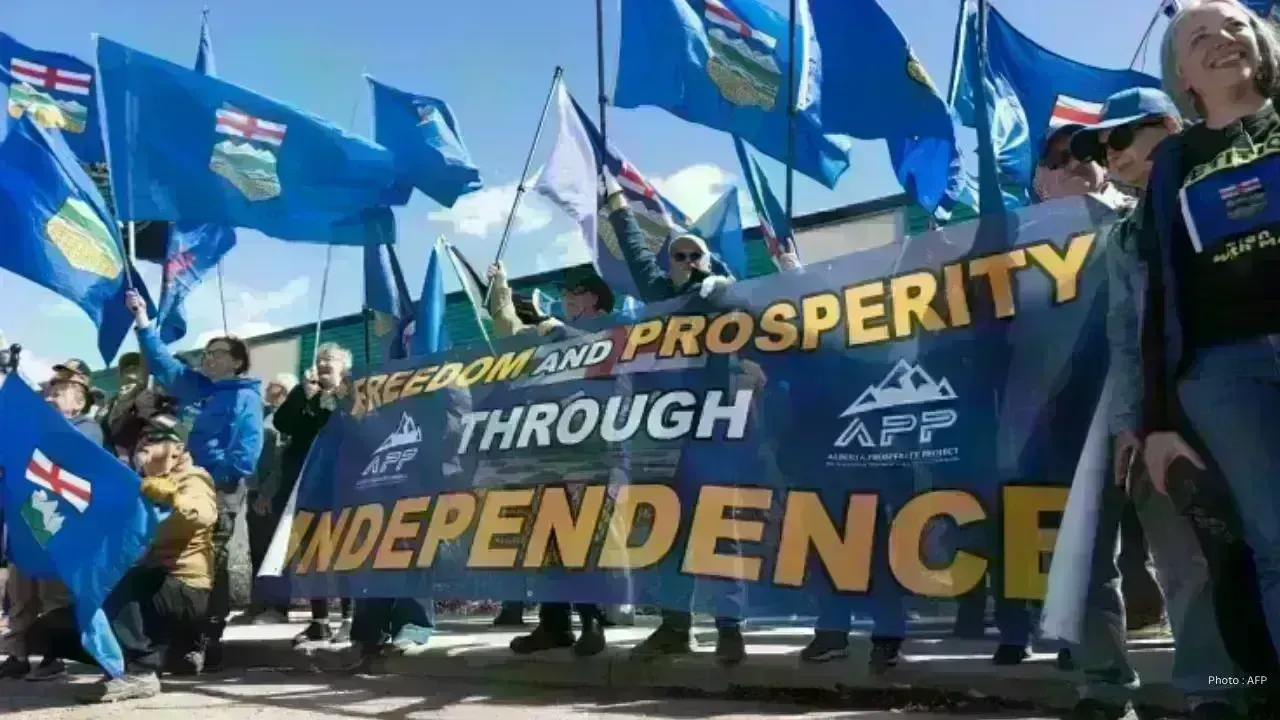
A Canadian court has effectively halted an initiative by Alberta separatist movements to hold a referendum aimed at separating from Canada, marking a critical blow to the burgeoning independence sentiment in the province. Justice Shaina Leonard of the Alberta Court of King’s Bench determined that the process could not advance due to inadequate consultation with Indigenous First Nations before the provincial government endorsed the referendum initiative.
The case at hand revolved around a petition promoted by the separatist group “Stay Free Alberta” among other pro-independence advocates who sought a vote on whether Alberta should detach from Canada. The organizers had successfully garnered over 300,000 signatures, significantly exceeding the threshold required to initiate the referendum process. Nonetheless, First Nations groups raised legal challenges, asserting that any discussions around separation must consider the treaty agreements made long before Alberta joined Canada.
In her judgement, Justice Leonard asserted that it was the legal obligation of the Alberta government to engage with Indigenous groups, as the ramifications of separation could infringe on treaty rights established under Treaties 7 and 8. The judge clarified that this fundamental constitutional issue could affect land rights and governance, along with agreements between Indigenous nations and the federal government. The court ruled that the absence of proper consultation warranted the cancellation of the petition approval.
This ruling represents a pivotal moment in the ongoing discourse surrounding Alberta's sense of alienation and its separatist movement. Frustrations towards the federal government's energy policies, environmental regulations, and strained relations with Ottawa have been on the rise in the province. Supporters of separation believe that Alberta, which is a vital contributor to Canada’s economy, has not received fair treatment from the federal authorities.
Alberta’s Premier, Danielle Smith, responded vehemently to the ruling, announcing the provincial government's intentions to appeal. She criticized the decision as “anti-democratic” and professed that citizens should have the opportunity to engage in voting on significant political matters. While stating her preference for Alberta to remain within Canada, Smith has defended the referendum process as essential to democratic engagement.
Indigenous leaders hailed the court's decision as a significant triumph for treaty rights and constitutional safeguards. Chief Allan Adam of the Athabasca Chipewyan First Nation remarked that the ruling conveys a robust message regarding the necessity of including Indigenous voices in discussions about Alberta's political future. Various First Nations organizations emphasized that Alberta must honor existing treaties before any assertion of separating from Canada.
The debate concerning Alberta's push for independence has begun to intersect with external influences, as reports indicated that some separatist-linked entities have engaged with American political figures sympathetic to the cause. This has sparked heightened political anxiety within Canada, bringing to light concerns regarding foreign impact on domestic political movements.
In parallel, the independence movement in Alberta has encountered more turmoil due to inquiries into a significant voter data breach linked to separatist organizations. The Elections Alberta agency and law enforcement are currently probing claims alleging that personal voter information from millions of Albertans was mismanaged and disseminated online. Critics argue this incident amplifies apprehensions about election security, privacy, and the rise of political extremism.
Despite the judicial setback, separation advocates are pledging to persist. Calls are now being made for Premier Smith’s administration to place the independence question directly on the provincial ballot, bypassing the petition method. However, legal analysts suggest that any forthcoming attempts at separation will likely confront substantial constitutional dilemmas and further court disputes linked to Indigenous treaty rights and the Clarity Act.










Meta Unveils Subscription Plans for Instagram, Facebook, and WhatsApp
Meta introduces new subscription plans for users of Instagram, Facebook, and WhatsApp, featuring enh

Suvarna Joy on Education Leadership, Resilience, and Building Purpose Through Adversity in the UAE
Suvarna Joy shares her journey of education leadership, motherhood, faith, and resilience within the

Anticipated Dates for UAE Eid Al Adha 2026 Unveiled by Astronomical Experts
Experts predict Eid Al Adha 2026 in the UAE to start on May 27, prompting early holiday planning amo

DAE Achieves Remarkable Growth in Q1 2026 With Record Revenue
Dubai Aerospace Enterprise announces impressive financial results for Q1 2026, reflecting a surge in

Price Increase for Sony PS5 in Southeast Asia Effective May 1
Sony announces a price increase for the PS5 across Southeast Asia starting May 1, 2026, impacting ga

Potential ‘Super El Niño’ in 2026: Understanding the Climate Risks
Could a Super El Niño emerge in 2026? Discover its implications and potential global climate impacts




