Post by : Sami Jeet
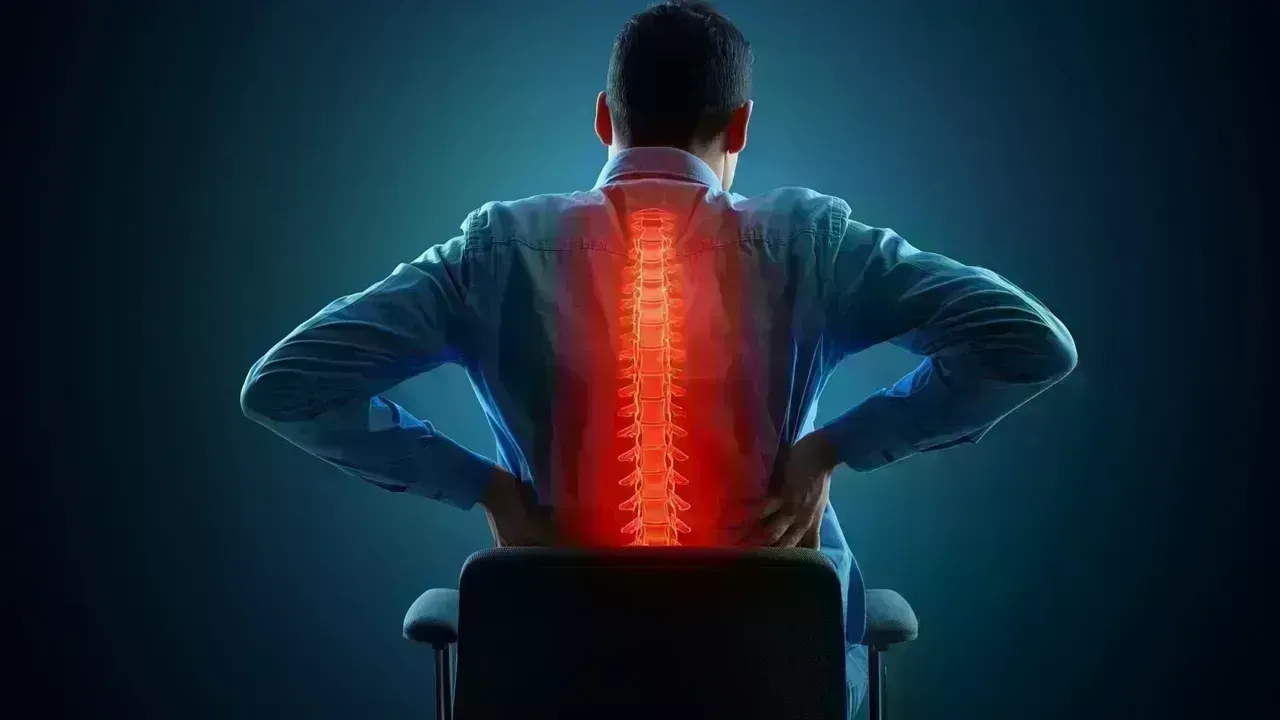
In today's work environment, extended hours of sitting have become commonplace for professionals, students, and freelancers alike. Initially comfortable, prolonged seating can exert sustained pressure on the spine, muscles, and joints. This pressure results in stiffness, muscle imbalances, and decreased circulation, ultimately straining both the upper and lower back. Back pain stemming from excessive sitting ranks among the most prevalent lifestyle-induced health problems.
Many individuals find themselves dealing with back pain without any prior injuries or intense physical activities, with prolonged sitting often lurking as the unseen culprit. Whether working at a desk, lounging with a laptop, or scrolling through a mobile device, poor sitting habits incrementally harm spinal health. This article delves into how long periods of sitting lead to back pain and outlines practical, manageable solutions that require minimal exertion but foster sustainable change.
The human body is designed for mobility, not for remaining in static positions for hours on end.
Prolonged sitting results in more pressure on the lower back as opposed to when one is standing.
• The spine faces unnatural compression
• Vertebral discs accumulate stress
• Natural spinal curvature may flatten
This can lead to significant discomfort in the lower back.
A lack of movement contributes to muscle weakness.
• Core muscles may become dormant
• Back muscles can lose fortitude
• Postural support diminishes over time
Weakened muscles struggle to support the spine efficiently.
Sitting tends to tighten specific muscles.
• Hip flexors become more rigid from constant flexion
• Hamstrings may lose their elasticity
• Muscle imbalances can arise
This imbalance can misalign the spine and cause pain.
Remaining seated for long stretches diminishes blood flow.
• Muscles receive less oxygen
• Toxins may accumulate in bodily tissues
• Recovery and healing can slow
Poor circulation often leads to muscle soreness and discomfort.
Slouching places additional strain on the spine.
• Rounded shoulders can stress the upper back
• The head may protract, straining the neck
• Lower back support may fade
This leads to chronic discomfort over time.
Sitting without back support exacerbates strain.
• Lower back muscles may engage continuously
• The spine can lose its natural curvature
• Fatigue may escalate quickly
Poor support accelerates discomfort levels.
Long screen sessions worsen posture.
• Leaning towards screens often occurs
• Blinking decreases, and stiffness builds
• Static positions become the norm
This can negatively impact both back and neck health.
Improper seating can create imbalances.
• Sofas without adequate support
• Relaxing on beds or the floor
• Using chairs that are not level
Such surfaces can fail to uphold spinal alignment.
Recognizing early symptoms is key to prevention.
• Pain may intensify after prolonged sitting
• Relief often follows standing or walking
• Stiffness in the lower back or hips can occur
• Tightness may develop in the shoulders and neck
These symptoms indicate postural stress on the body.
Maintaining good posture is essential for back health.
• Sit upright with relaxed shoulders
• Keep your feet flat on the ground
• Support the natural curve of your lower back
• Position your screen at eye level
Proper posture helps mitigate pressure on the spine.
Ergonomic considerations are crucial.
• Choose a chair with adequate lumbar support
• Adjust the chair so your knees align with your hips
• Position your keyboard and mouse at elbow height
Well-configured workspaces protect your back health.
Moving helps stave off stiffness.
• Stand up or walk for short intervals every 30–45 minutes
• Incorporate brief stretches during breaks
• Resist the urge to remain seated for hours
Consistent movement revitalizes muscles and joints.
Gentle stretching can alleviate tension.
• Try neck and shoulder rolls
• Incorporate back extension and hip flexor stretches
• Don’t forget about hamstring stretches
Stretching encourages flexibility and mitigates pain.
Robust core muscles are vital for spinal support.
• Practice awareness of your standing posture
• Engage your core muscles while seated
• Include gentle bodyweight exercises
Core strength is a buffer against back strain.
Good habits at home are just as important.
• Avoid working from your bed or couch
• Use an appropriate desk and supportive chair
• Maintain good posture even while using your phone
Consistent practices at home thwart discomfort.
Incorporating movement into your routine supports spinal health.
• Consider regular walking
• Light stretching routines are helpful
• Stay active with simple household tasks
Active engagements counterbalance the effects of sitting.
Stress can heighten muscle tension.
• Implement techniques like deep breathing
• Strive for reduced mental strain
• Nurture a healthy work-life balance
Relaxed muscles heal more swiftly.
Quality sleep aids in back recovery.
• Utilize a supportive mattress
• Sidestep sleeping on your stomach
• Ensure a neutral spine alignment
Proper sleeping posture aids in healing.
Hydration benefits the spinal discs.
• Make it a habit to drink water regularly
• Limit excessive caffeine intake
• Ensure your discs stay flexible
Staying hydrated can alleviate stiffness.
Consult a healthcare professional if discomfort persists.
• If you experience pain lasting for weeks
• Noteworthy numbness or tingling
• Severe or escalating pain
• Difficulty with daily activities
Prompt intervention can avert complications.
Proactive measures are simpler than corrections.
• Stay mindful of your posture
• Engage in regular physical activity
• Minimize extended sitting
• Focus on strengthening core muscles
Adopting positive daily habits safeguards spinal health.
While medications offer temporary relief, addressing posture and incorporating movement tackles the root problems. Long-lasting back health relies on lifestyle adjustments instead of merely treating symptoms.
Gaining insight into the reasons behind back pain linked to prolonged sitting is the initial step toward remedying it. Long stretches of sitting weaken muscles, compress the spine, and disrupt posture, leading to discomfort. By correcting your sitting posture, maintaining an active lifestyle, scheduling routine breaks, and nurturing supportive habits, back pain can be mitigated and prevented naturally. Making small, consistent modifications in your sitting behaviors can safeguard spinal well-being and enhance your overall quality of life.
This article is intended for informational purposes and should not replace medical UAdvice. If you are dealing with severe or ongoing back pain, seek the guidance of a certified healthcare professional.










Anticipated Dates for UAE Eid Al Adha 2026 Unveiled by Astronomical Experts
Experts predict Eid Al Adha 2026 in the UAE to start on May 27, prompting early holiday planning amo

DAE Achieves Remarkable Growth in Q1 2026 With Record Revenue
Dubai Aerospace Enterprise announces impressive financial results for Q1 2026, reflecting a surge in

Price Increase for Sony PS5 in Southeast Asia Effective May 1
Sony announces a price increase for the PS5 across Southeast Asia starting May 1, 2026, impacting ga

Potential ‘Super El Niño’ in 2026: Understanding the Climate Risks
Could a Super El Niño emerge in 2026? Discover its implications and potential global climate impacts

Global Energy Crisis Intensifies: Markets React to Oil Supply Challenges
Markets are on edge as oil disruptions escalate, influencing prices and economic stability. Explore

Must-See Tourist Spots in London You Can't Overlook
Explore London's essential attractions, from royal landmarks to vibrant markets, ensuring an unforge




