Post by : Anees Nasser
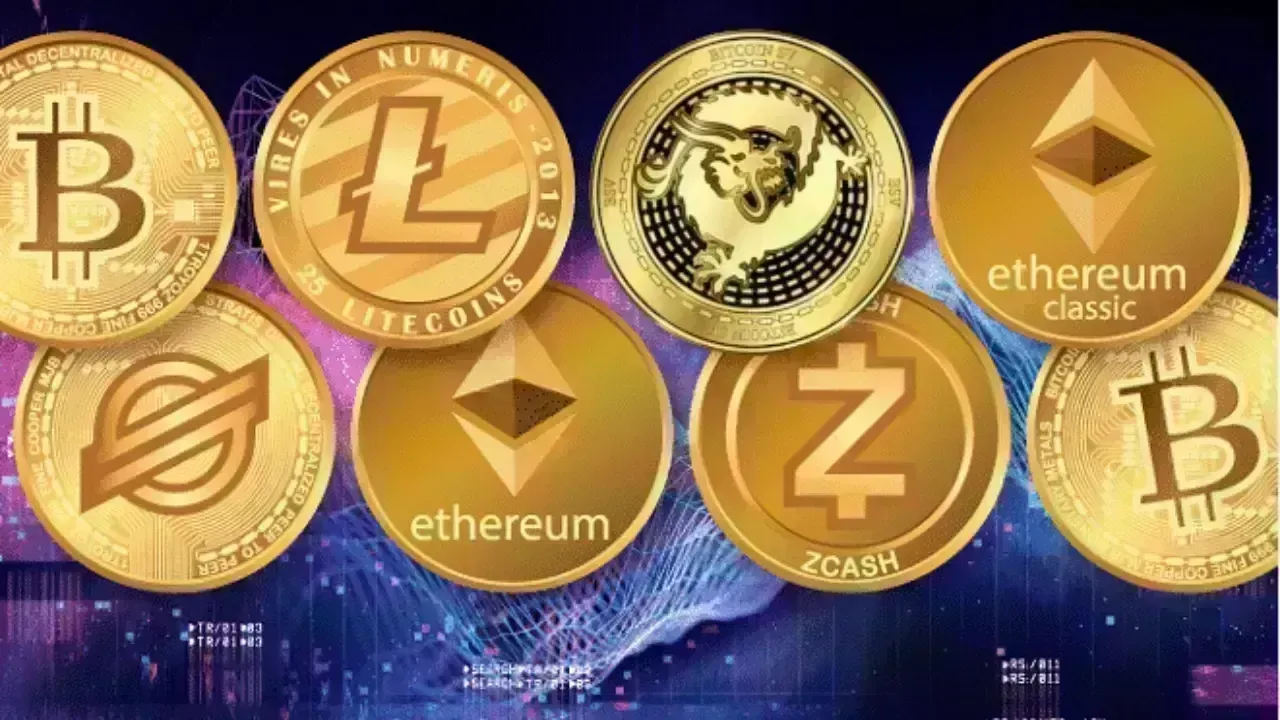
Cryptocurrency is a type of digital currency that exists solely in electronic form, utilizing cryptographic principles for secure transactions. These assets are generally decentralised, meaning they operate independently of central entities like banks or governments, leveraging a technology called blockchain, which is a secure and transparent distributed ledger.
Initially, the term “cryptocurrency” was synonymous with Bitcoin, the pioneering and most recognised digital currency. Today, however, the landscape comprises thousands of crypto assets, each with unique purposes and features that reflect the diverse applications of blockchain technology—from digital currencies to programmable contracts and decentralised finance.
Bitcoin (BTC) was the first to emerge back in 2009 and remains the most prominent and valuable cryptocurrency. It was designed primarily as digital cash, serving as a decentralised means of exchange and a store of value without requiring intermediaries.
Primary use: Direct peer-to-peer transactions, long-lasting value storage
Key characteristic: Decentralised with a capped supply of 21 million BTC
Market status: Often referred to as “digital gold” for its role in crypto markets
Bitcoin has significantly influenced the broader cryptocurrency ecosystem, leading to the emergence of alternative coins, commonly referred to as “altcoins.”
Altcoins refer to any cryptocurrencies that are not Bitcoin. Initially, the term identified early competitors to Bitcoin, but it now encompasses thousands of digital assets with various functions.
Altcoins serve diverse purposes including:
Peer-to-peer currencies similar to Bitcoin
Smart contract platforms enabling decentralised applications
Utility tokens granting access to specific services
Governance tokens allowing holders to vote on protocols
Examples include Ethereum (ETH), a platform for decentralised applications and smart contracts, alongside many others targeting specific niches in crypto.
Some cryptocurrencies extend beyond simple money; they are pivotal to larger blockchain ecosystems that support programmable logic, decentralised finance (DeFi) systems, and applications.
Ethereum exemplifies this by functioning not only as a form of currency but also as the main token for a smart contract platform. It empowers developers to create decentralised applications (dApps) and automated protocols.
Primary use: Fuel for executing contracts on the Ethereum network
Key innovation: Supports DeFi applications, NFTs, and decentralised apps
Other smart contract platforms aim to enhance performance, costs, or functionalities in comparison to Ethereum.
Among the key advancements in cryptocurrency are the emergence of stablecoins. Designed to maintain a stable value, stablecoins typically peg their prices to a stable asset—most commonly a fiat currency like the U.S. dollar—making them significantly less volatile than Bitcoin and other cryptocurrencies.
Stablecoins play vital roles in the crypto market, including:
Enabling daily transactions without volatility
Functioning as a medium of exchange in decentralised environments
Offering a stable gateway between crypto and fiat currencies
Examples such as USDC, pegged to the U.S. dollar, are widely used for payments and trading purposes.
In the cryptocurrency landscape, there’s an essential difference between coins and tokens:
Coins exist on their blockchain (e.g., Bitcoin, Ethereum)
Tokens operate on another blockchain, representing various utilities, assets, or values
Tokens can include:
Utility tokens, offering access to services within a platform
Governance tokens, allowing holders to vote on protocol changes
Asset-backed tokens, representing ownership of real assets
Non-fungible tokens (NFTs), indicating unique digital ownership
These classifications illustrate the diversity within crypto assets, demonstrating they serve roles beyond mere currencies—they can function as programmable digital assets.
Decentralised finance (DeFi) represents blockchain-based financial solutions that operate without traditional intermediaries. Tokens associated with DeFi platforms play crucial roles in their financial protocols. For example, Aave (AAVE) is linked to a lending and borrowing DeFi ecosystem, enabling users to earn interest or take out loans without banks.
DeFi tokens often enable:
Participation in liquidity pools
Earning returns on deposited assets
Governance over protocol regulations
Access to decentralised financial products
The growth of DeFi highlights its significant role in the crypto economy.
Another often underappreciated category includes privacy-focused cryptocurrencies, designed to conceal transaction details, such as sender, receiver, and amounts. Protocols employing the CryptoNote standard empower privacy coins like Monero that prioritise anonymity.
Despite controversy due to privacy concerns, these cryptocurrencies reflect how varied crypto architectures address distinct user priorities.
While not always counted among typical cryptocurrencies, some national governments have unveiled digital assets inspired by blockchain technology. An example is the Crypto Rial, introduced by Iran’s central bank and pegged to the rial, blending crypto innovation with national monetary strategy.
These currencies differ from decentralised cryptocurrencies in that:
They are issued by a central authority
They aim to replace or enhance fiat currency in a digital format
This evolution underscores how digital currency concepts increasingly shape central banking approaches.
In decentralised ecosystems, wrapped tokens enable one cryptocurrency to be represented on another blockchain (e.g., Wrapped Bitcoin on Ethereum). This advance allows for asset interoperability across blockchains, enhancing liquidity and broader DeFi engagement.
Though not traditional cryptocurrencies, wrapped assets expand the ways digital assets interact within different ecosystems.
Several cryptocurrencies signify ownership stakes in real-world assets rather than solely financial instruments. Called equity tokens, these digital tokens represent ownership in a business, real estate, or tangible assets recorded on a blockchain.
These bridge traditional finance and blockchain technologies, enabling fractional ownership and wider access for investors.
The cryptocurrency landscape is anything but uniform. It encompasses pure digital currencies like Bitcoin, stablecoins linked to fiat standards, programmable platforms supporting dApps, tokens representing various utilities or ownership rights, privacy-centric coins, and even digital assets aligned with government monetary policies.
Grasping these diverse classifications enhances our understanding of what cryptocurrency entails and highlights the multifaceted nature of this technology. Digital assets have evolved from mere speculative tools to versatile technologies with tangible applications across payments, finance, ownership, governance, and innovation.
Disclaimer: This article serves informational and educational purposes only. It is not financial advice. Always perform your own due diligence or consult a professional before investing in cryptocurrencies.









Anticipated Dates for UAE Eid Al Adha 2026 Unveiled by Astronomical Experts
Experts predict Eid Al Adha 2026 in the UAE to start on May 27, prompting early holiday planning amo

DAE Achieves Remarkable Growth in Q1 2026 With Record Revenue
Dubai Aerospace Enterprise announces impressive financial results for Q1 2026, reflecting a surge in

Price Increase for Sony PS5 in Southeast Asia Effective May 1
Sony announces a price increase for the PS5 across Southeast Asia starting May 1, 2026, impacting ga

Potential ‘Super El Niño’ in 2026: Understanding the Climate Risks
Could a Super El Niño emerge in 2026? Discover its implications and potential global climate impacts

Global Energy Crisis Intensifies: Markets React to Oil Supply Challenges
Markets are on edge as oil disruptions escalate, influencing prices and economic stability. Explore

Must-See Tourist Spots in London You Can't Overlook
Explore London's essential attractions, from royal landmarks to vibrant markets, ensuring an unforge




