Post by : Shweta
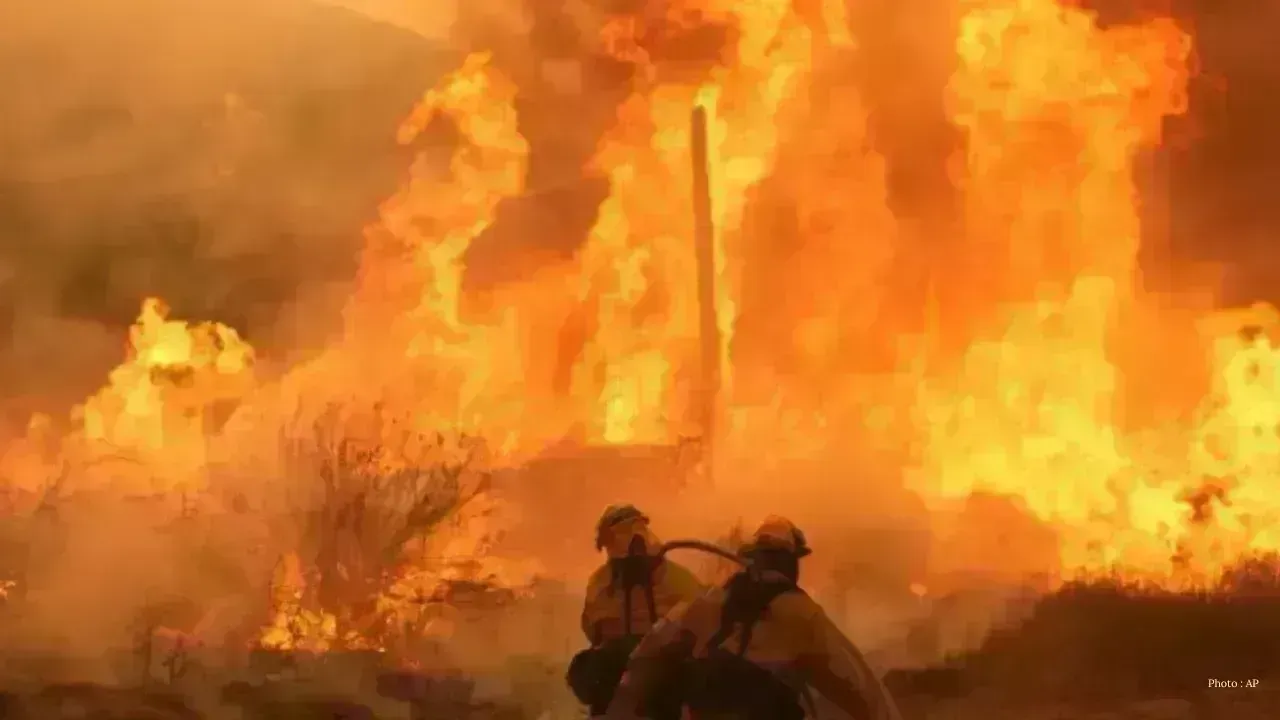
In 2026, British Columbia is poised for one of its most perilous wildfire seasons yet, with experts cautioning that it may well face the “highest and most sustained” wildfire threats in years. Professionals in forestry and climate science are increasingly worried about the impact of ongoing dryness, rising temperatures, and below-average rainfall as summer approaches.
Reports from wildfire specialists show many regions in British Columbia displaying signs of significant dryness much earlier than anticipated. Limited moisture during the winter and spring months has raised alarm about the rapid spread of wildfires as temperatures climb. Authorities predict that if adverse weather persists, the wildfire season could extend longer than usual and affect broader areas.
Emergency management professionals are alerting communities adjacent to forested and rural areas of heightened risks from fast-moving wildfires and potential smoke-related evacuation orders. The past few years have already seen multiple devastating wildfire seasons, forcing thousands to evacuate and resulting in millions of hectares destroyed.
According to climate scientists, climate change is exacerbating wildfire conditions across Western Canada. Increased temperatures and prolonged dry spells have rendered forests more susceptible to severe fires. Experts highlight the role of gusty winds and increased lightning strikes as contributing factors that could heighten wildfire activity during the 2026 season.
The government of British Columbia is in the process of drafting emergency response strategies while enhancing collaboration with firefighters, local authorities, and emergency response teams. Officials are thoroughly assessing resources to guarantee swift response capabilities should significant fires erupt across the province. Residents are also urged to assemble emergency kits and stay updated on wildfire warnings throughout the summer.
Public safety officials have warned against activities that could inadvertently spark fires, particularly in periods of extreme heat and arid conditions. Practices such as campfires, careless disposal of cigarettes, and equipment malfunctions are commonly associated with wildfire outbreaks during high-risk phases. Fire bans and restrictions may be imposed if situations continue to deteriorate.
Environmental experts caution that intense wildfire seasons can lead to lasting repercussions for air quality, wildlife habitats, tourism, and local economies. Smoke from extensive fires can traverse provinces, reaching the U.S. and impacting health for millions, especially vulnerable populations.
The alarming predictions regarding British Columbia's wildfire risk for 2026 have already captured national interest, as Canadians reflect on past catastrophic wildfire emergencies across the nation. Officials stress that preparation and prompt action are vital to mitigating damage and safeguarding lives in the upcoming season.
As British Columbia approaches what might develop into one of its most testing wildfire seasons, authorities will continue to monitor weather conditions vigilantly over the forthcoming months.









Meta Unveils Subscription Plans for Instagram, Facebook, and WhatsApp
Meta introduces new subscription plans for users of Instagram, Facebook, and WhatsApp, featuring enh

Suvarna Joy on Education Leadership, Resilience, and Building Purpose Through Adversity in the UAE
Suvarna Joy shares her journey of education leadership, motherhood, faith, and resilience within the

Anticipated Dates for UAE Eid Al Adha 2026 Unveiled by Astronomical Experts
Experts predict Eid Al Adha 2026 in the UAE to start on May 27, prompting early holiday planning amo

DAE Achieves Remarkable Growth in Q1 2026 With Record Revenue
Dubai Aerospace Enterprise announces impressive financial results for Q1 2026, reflecting a surge in

Price Increase for Sony PS5 in Southeast Asia Effective May 1
Sony announces a price increase for the PS5 across Southeast Asia starting May 1, 2026, impacting ga

Potential ‘Super El Niño’ in 2026: Understanding the Climate Risks
Could a Super El Niño emerge in 2026? Discover its implications and potential global climate impacts




