Post by : Shakul
In preparation for the anticipated effects of El Niño, Batam authorities have launched extensive weather modification operations aimed at safeguarding the city's water resources. The cloud seeding initiative commenced on May 15 and is set to run for 20 days in partnership with Indonesia’s Meteorological, Climatology and Geophysics Agency (BMKG).
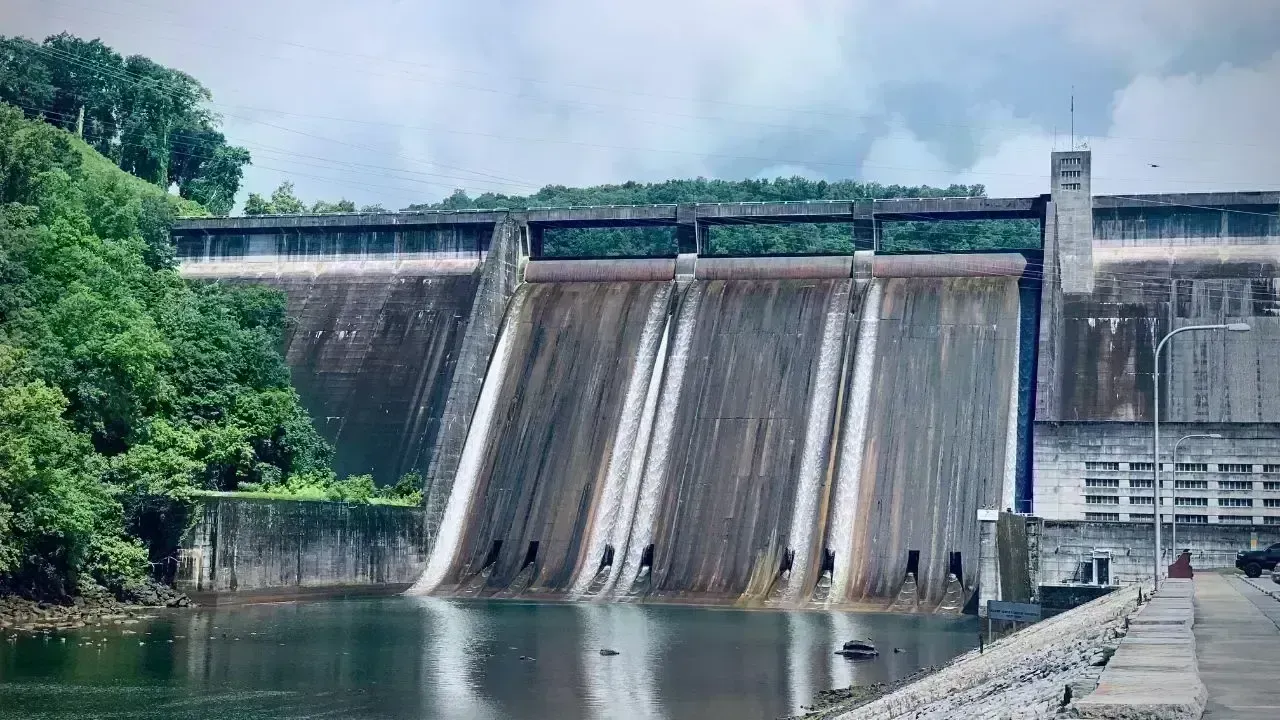
This proactive measure follows a noteworthy drop in water levels across Batam's six primary reservoirs in recent weeks. The dwindling water supply raises urgent concerns among both households and industries on the rapidly emerging industrial island. Authorities emphasize the critical reliance of Batam on reservoir water for daily life and industrial operations.
Key reservoirs affected include Nongsa, Sei Ladi, Sei Harapan, Mukakuning, Tembesi, and Duriangkang. With predicted dry weather persisting in the months ahead, authorities recognize the declining water levels as a serious challenge. Batam's role as a vital industrial and trade center underscores the necessity for ensuring water security for economic viability.
Ramlan Djambak, head of BMKG’s Hang Nadim weather station, noted that the El Niño phenomenon will produce varied impacts across different Indonesian regions. While more severe drought conditions are anticipated in southern areas like Java, the Riau Islands region is likely to see less rainfall and reduced reservoir capacities.
To facilitate rainfall, aircraft are employed to release salt particles into clouds, a technique known as cloud seeding. This process promotes cloud condensation and rainfall in regions suffering from water deficits. Similar methods were previously adopted by Indonesian authorities to mitigate drought risks and bolster agricultural productivity.
Experts classify the operation as a preventive measure against a potential water crisis in Batam. The city's rapid industrial development over the last decade has intensified pressure on local water resources, with various sectors from manufacturing to residential zones relying heavily on consistent water supplies.
In parallel, the government is acutely monitoring weather trends, given the ongoing global climate transformations affecting Southeast Asia. Environmental specialists have alerted that the heightened and prolonged dry seasons associated with El Niño may lead to increased risks of drought, water scarcities, and disruptions in agriculture across several Indonesian regions.
Authorities are optimistic that the cloud seeding effort will bolster reservoir levels and secure sufficient water for both residents and industries until regular rainfall resumes.









Anticipated Dates for UAE Eid Al Adha 2026 Unveiled by Astronomical Experts
Experts predict Eid Al Adha 2026 in the UAE to start on May 27, prompting early holiday planning amo

DAE Achieves Remarkable Growth in Q1 2026 With Record Revenue
Dubai Aerospace Enterprise announces impressive financial results for Q1 2026, reflecting a surge in

Price Increase for Sony PS5 in Southeast Asia Effective May 1
Sony announces a price increase for the PS5 across Southeast Asia starting May 1, 2026, impacting ga

Potential ‘Super El Niño’ in 2026: Understanding the Climate Risks
Could a Super El Niño emerge in 2026? Discover its implications and potential global climate impacts

Global Energy Crisis Intensifies: Markets React to Oil Supply Challenges
Markets are on edge as oil disruptions escalate, influencing prices and economic stability. Explore

Must-See Tourist Spots in London You Can't Overlook
Explore London's essential attractions, from royal landmarks to vibrant markets, ensuring an unforge




