Post by : Anees Nasser
Basant Panchami, often referred to as Vasant Panchami or Saraswati Puja, stands as one of India’s most culturally vibrant festivals. It signals the onset of spring—a time associated with growth and rejuvenation—while expressing reverence for Goddess Saraswati, who embodies wisdom, learning, music, and the arts.
In 2026, Basant Panchami will be celebrated on Friday, January 23, with the Panchami Tithi commencing in the morning and lasting into the following day, creating a favorable period for the Saraswati Puja rites.
This festival merges spiritual devotion with cultural expression across India and among its diaspora—from bustling classrooms to temple ceremonies, from picturesque kite-filled skies to streets adorned in yellow. Basant Panchami represents a celebration of knowledge, creativity, and the vibrant spirit of spring.
The festival of Basant Panchami is deeply embedded in natural cycles and ancient Hindu traditions. It occurs on the fifth day (Panchami) of the lunar fortnight of the Hindu month of Magha, typically landing in late January to early February in the Gregorian calendar.
The term Basant denotes spring, while Panchami indicates the fifth day. Thus, Basant Panchami marks the beginning of the spring season, symbolizing nature’s revival following winter’s dormancy.
Throughout history, various rituals linked to this festival celebrate Goddess Saraswati, who is thought to bless worshippers with wisdom and creativity. The legends tied to this day deep-root the flowering of knowledge during this time of renewal.
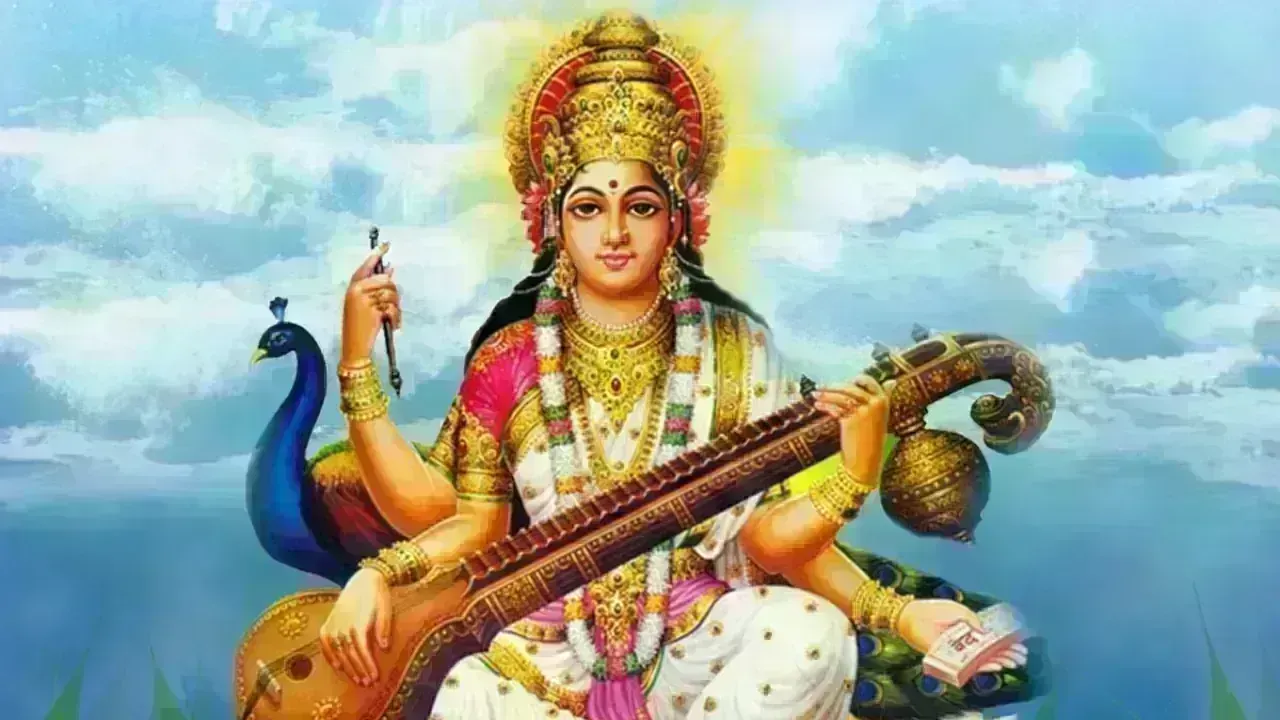
Central to Hindu spirituality, Goddess Saraswati is depicted as a tranquil, luminous figure with four hands, representing intellect, wisdom, creativity, and spiritual understanding. Her belongings include the Vedas, a veena, a rosary, and a pot of water, each rich with symbolic meaning.
On Basant Panchami, devotees seek her blessings through Saraswati Puja for enlightenment, educational success, and artistic fulfillment.
The festival is also a favored time for initiation into learning, particularly for children, fostering the first joyful steps into education under the goddess’s watchful eyes.
Basant Panchami in 2026 will be celebrated on January 23, as confirmed by traditional Hindu calendars. The Panchami Tithi begins at 2:28 AM and concludes at 1:46 AM the next morning, marking an auspicious time for celebrations.
A morning muhurat is recommended for the ritual observances, believed to enhance spiritual benefits.
A notable aspect of Basant Panchami is the vibrant use of yellow. From clothing to decorations, yellow symbolizes prosperity, joy, and the warmth of spring—characteristics that resonate with the spirit of Saraswati Puja.
Devotees wear yellow, decorate spaces with yellow blooms, and prepare dishes like saffron rice and sweets, inviting blessings and embracing the essence of spring.
Rituals for Basant Panchami are observed in temples and homes alike, with devotees setting up idols of Goddess Saraswati, presenting offerings of books, instruments, and learning tools.
Students and educators engage in prayers for success, while schools frequently host cultural programs celebrating creativity and knowledge.
Many families also perform Vidya-Arambh, marking the joyous beginning of education for young ones during this sacred day.
In states such as West Bengal, Assam, Bihar, and Odisha, Basant Panchami is celebrated with great fervor. Communities organize extensive rituals and gatherings to honor the festival’s cultural significance.
Notably in West Bengal, schools host grand events merging religious and artistic expressions, showcasing the rich cultural heritage.
In Punjab, the festival converges with kite-flying celebrations, filling the skies with vibrant colors, embodying the jubilant spirit of spring.
Basant Panchami fundamentally celebrates knowledge and creativity, offering blessings to students, artists, and scholars in their quests for academic and artistic excellence.
The festival embodies themes of renewal and transformation. As spring awakens nature, devotees are inspired to embrace change and new beginnings.
In modern society, Basant Panchami has evolved into a vibrant community festival, where urban neighborhoods unite for cultural events blending devotion and artistic performances.
Basant Panchami, celebrated as Saraswati Puja, symbolizes the intersection of devotion, culture, and the spirit of spring. Devotees seek blessings from Goddess Saraswati to experience a flourishing of wisdom and creativity, reaffirming that the pursuit of knowledge is a continuous journey.
Disclaimer: This article aims to enhance cultural understanding. Rituals of Basant Panchami and Saraswati Puja may differ by region.










Anticipated Dates for UAE Eid Al Adha 2026 Unveiled by Astronomical Experts
Experts predict Eid Al Adha 2026 in the UAE to start on May 27, prompting early holiday planning amo

DAE Achieves Remarkable Growth in Q1 2026 With Record Revenue
Dubai Aerospace Enterprise announces impressive financial results for Q1 2026, reflecting a surge in

Price Increase for Sony PS5 in Southeast Asia Effective May 1
Sony announces a price increase for the PS5 across Southeast Asia starting May 1, 2026, impacting ga

Potential ‘Super El Niño’ in 2026: Understanding the Climate Risks
Could a Super El Niño emerge in 2026? Discover its implications and potential global climate impacts

Global Energy Crisis Intensifies: Markets React to Oil Supply Challenges
Markets are on edge as oil disruptions escalate, influencing prices and economic stability. Explore

Must-See Tourist Spots in London You Can't Overlook
Explore London's essential attractions, from royal landmarks to vibrant markets, ensuring an unforge




